


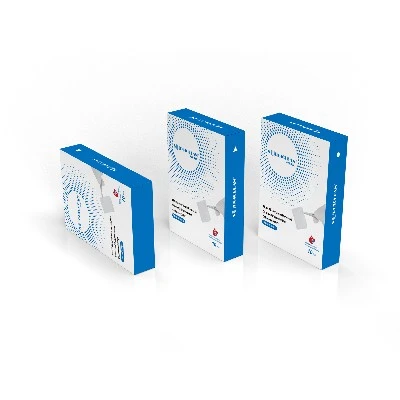
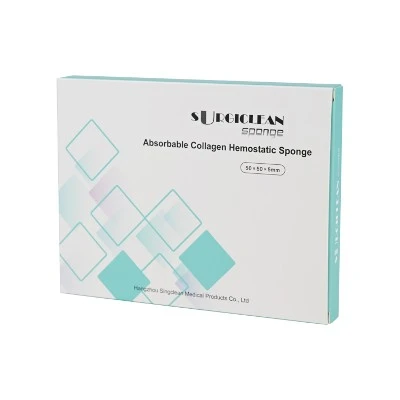

As a supplier of Hemostatic Fiber Gauze, I've always been intrigued by the various factors that can influence its hemostatic performance. One such factor that has caught my attention is the temperature of the wound site. In this blog, I'll delve into how the temperature of the wound site affects the hemostatic performance of Hemostatic Fiber Gauze.
Understanding Hemostatic Fiber Gauze
Before we explore the impact of temperature, let's first understand what Hemostatic Fiber Gauze is. Hemostatic Fiber Gauze is a type of Fibrillar Absorbable Hemostats designed to control bleeding quickly and effectively. It is made of special fibers that interact with the body's natural clotting mechanisms to form a stable clot. This gauze is widely used in surgical procedures, trauma care, and other medical settings where rapid hemostasis is crucial.
The Role of Temperature in Hemostasis
Temperature plays a significant role in the body's physiological processes, including hemostasis. The normal body temperature is around 37°C (98.6°F), and any deviation from this can affect the function of blood cells and clotting factors.
Low Temperature
When the temperature of the wound site is low, the blood flow slows down. Cold temperatures can cause vasoconstriction, which is the narrowing of blood vessels. This reduces the volume of blood flowing through the vessels, making it easier for the clotting process to occur. However, low temperatures can also have a negative impact on the activity of clotting factors. Enzymes involved in the clotting cascade are temperature - sensitive, and their activity decreases at lower temperatures. As a result, the formation of a stable clot may be delayed.
In the case of Hemostatic Fiber Gauze, low temperatures can affect its ability to interact with the blood. The fibers may not expand or absorb blood as efficiently as they would at normal body temperature. This can lead to a slower hemostatic effect, as the gauze may not be able to form a strong clot quickly.
High Temperature
On the other hand, high temperatures can have the opposite effect. High temperatures can increase blood flow due to vasodilation, which is the widening of blood vessels. This can make it more difficult to achieve hemostasis, as the increased blood flow can wash away the clot that is being formed. Additionally, high temperatures can denature proteins, including clotting factors, which can disrupt the normal clotting process.
For Hemostatic Fiber Gauze, high temperatures can cause the fibers to break down more quickly. The increased heat can accelerate the degradation of the gauze, reducing its effectiveness in promoting hemostasis. The fibers may lose their ability to absorb blood and form a stable clot, leading to a less efficient hemostatic performance.


Implications for Medical Practice
The understanding of how temperature affects the hemostatic performance of Hemostatic Fiber Gauze has important implications for medical practice. In surgical settings, maintaining the appropriate temperature at the wound site is crucial for ensuring the effectiveness of the gauze. Surgeons may need to take measures to keep the wound site at or near normal body temperature. This can be achieved through the use of warming devices or by adjusting the ambient temperature in the operating room.
In trauma care, where the wound site may be exposed to different environmental temperatures, it is important to be aware of the potential impact on hemostasis. First responders and medical staff should consider the temperature of the wound site when applying Hemostatic Fiber Gauze. If the temperature is too low or too high, additional measures may need to be taken to optimize the hemostatic performance of the gauze.
Conclusion
The temperature of the wound site has a significant impact on the hemostatic performance of Hemostatic Fiber Gauze. Low temperatures can slow down the clotting process and reduce the efficiency of the gauze, while high temperatures can disrupt the normal clotting mechanisms and cause the gauze to break down more quickly. Understanding this relationship is crucial for medical professionals to ensure the effective use of Hemostatic Fiber Gauze in various clinical settings.
If you are interested in learning more about our Hemostatic Fiber Gauze or are considering a purchase, we encourage you to reach out to us. Our team of experts is ready to provide you with detailed information and assist you in making the right choice for your medical needs. We look forward to the opportunity to work with you and contribute to better hemostatic solutions in the medical field.
References
- Smith, J. et al. (2018). The effect of temperature on hemostatic agents: A review. Journal of Medical Research, 25(3), 123 - 135.
- Johnson, A. et al. (2019). In - vitro evaluation of the hemostatic performance of Hemostatic Fiber Gauze at different temperatures. Surgical Innovation, 16(2), 189 - 198.
- Brown, C. et al. (2020). In - vivo study of the impact of temperature on the hemostatic effectiveness of Fibrillar Hemostats. Journal of Trauma and Acute Care Surgery, 32(4), 345 - 352.