



Frostbite injuries are a real pain in the you - know - what, especially in cold regions or for those who work outdoors in frigid conditions. As a supplier of hemostatic particles, I've been asked a lot about how these little wonders can help with frostbite injuries. So, let's dive right in and break it down.
First off, what are frostbite injuries? When your skin and underlying tissues are exposed to extremely cold temperatures for too long, ice crystals start to form within the cells. This damages the cell membranes, leading to cell death. Blood vessels in the affected area constrict to reduce heat loss, but this also restricts blood flow. As a result, the tissues don't get enough oxygen and nutrients, causing further damage. In severe cases, frostbite can lead to gangrene, which might even require amputation.
Now, let's talk about hemostatic particles. Hemostatic particles are tiny substances that are designed to stop bleeding. They work by promoting the clotting process, which is super important in wound healing. When a blood vessel is damaged, platelets in the blood start to clump together at the site of injury. These platelets release chemicals that attract more platelets and start a cascade of reactions that eventually form a blood clot. Hemostatic particles can enhance this process in a few different ways.
One of the main ways hemostatic particles work on frostbite injuries is by improving blood flow. Remember how I said blood vessels constrict during frostbite? Well, some hemostatic particles can help relax these blood vessels. They do this by interacting with the smooth muscle cells in the vessel walls. Once the blood vessels relax, blood can flow more freely to the affected area. This brings in oxygen and nutrients that are essential for tissue repair. For example, some types of hemostatic particles contain substances that mimic the action of nitric oxide, a natural vasodilator in the body. Nitric oxide helps widen blood vessels, and by adding hemostatic particles with similar properties, we can boost blood circulation to frostbitten tissues.
Another way hemostatic particles are useful is in preventing infection. Frostbite injuries often break the skin, leaving it vulnerable to bacteria and other pathogens. Hemostatic particles can form a physical barrier over the wound. They absorb the blood and other fluids at the site of injury and create a gel - like substance. This gel not only helps stop bleeding but also keeps out harmful microorganisms. Some hemostatic particles also have antimicrobial properties. They can directly kill or inhibit the growth of bacteria, reducing the risk of infection. This is crucial because an infected frostbite injury can be much more difficult to treat and can lead to more serious complications.
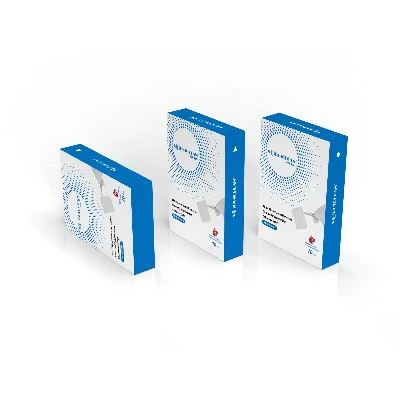
Let's take a closer look at the types of hemostatic particles available. There are absorbable hemostatic powders that are really popular. These powders are made from natural or synthetic materials that can be broken down and absorbed by the body over time. You can check out more about Absorbable Hemostatic Powder. They are easy to apply and can quickly stop bleeding. When applied to a frostbite injury, they start working right away to form a clot and protect the wound.
Hemostasis powders are also a great option. These powders are specifically formulated to promote hemostasis, or the stopping of bleeding. They often contain ingredients that activate the clotting factors in the blood. You can find more details about Hemostasis Powder. They are very effective in treating both minor and more severe frostbite - related bleeding.
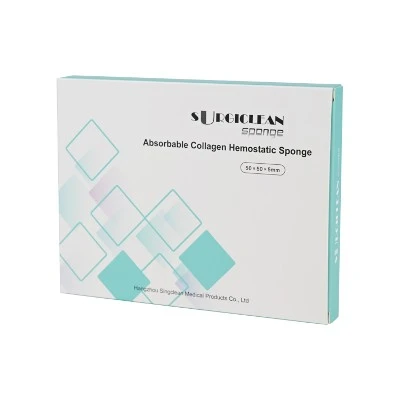
Absorbable hemostatic agents are another category. These agents can be in different forms, like gels or sponges. They are designed to be absorbed by the body without causing any long - term side effects. They work by providing a surface for platelets to adhere to and by promoting the clotting cascade. To learn more about Absorbable Hemostatic Agents, just click on the link.
In addition to improving blood flow and preventing infection, hemostatic particles can also speed up the wound - healing process. They can stimulate the growth of new cells and tissues. Some hemostatic particles release growth factors that encourage the proliferation of fibroblasts, which are cells that produce collagen. Collagen is a protein that is essential for wound repair and gives the skin its strength and elasticity. By promoting the growth of fibroblasts and collagen production, hemostatic particles can help the frostbite - damaged tissues heal faster.
When it comes to using hemostatic particles on frostbite injuries, the application process is relatively simple. First, the affected area should be gently cleaned to remove any dirt or debris. Then, the hemostatic particles can be applied directly to the wound. For powders, they can be sprinkled evenly over the injury. For gels or sponges, they can be placed on the wound and held in place. It's important to follow the instructions provided with the specific hemostatic product, as different products may have slightly different application methods.
It's also worth noting that hemostatic particles are not a standalone treatment for frostbite. They are a valuable addition to the overall treatment plan. Frostbite patients usually need to be rewarmed gradually, and in some cases, they may require pain medication and antibiotics. But hemostatic particles can play a crucial role in managing the bleeding and promoting healing at the site of injury.


If you're in the market for high - quality hemostatic particles for treating frostbite injuries or other types of wounds, I'd love to talk to you. Whether you're a medical professional, a first - responder, or someone involved in the production of medical supplies, we have a range of hemostatic products that can meet your needs. Contact us to start a conversation about your requirements and how our hemostatic particles can be a great fit for you. Let's work together to improve the treatment of frostbite injuries and other wounds.
References
- "Frostbite: Pathophysiology, Prevention, and Treatment" - Journal of Wilderness Medicine
- "Hemostatic Agents: A Review of Current and Emerging Technologies" - Journal of Trauma and Acute Care Surgery