


Hemostasis, the process of stopping bleeding, is a critical aspect of medical treatment, especially in surgical procedures and the management of traumatic injuries. Hemostatic particles have emerged as a valuable tool in achieving rapid and effective hemostasis. As a supplier of hemostatic particles, I am often asked about how these particles interact with the immune system. In this blog post, I will delve into the scientific understanding of how hemostatic particles affect the immune system, exploring both the potential benefits and considerations.
Mechanisms of Hemostasis and Immune System Interaction
Hemostatic particles work through various mechanisms to promote blood clotting. Some particles, such as those made of absorbable materials like polysaccharides or gelatin, act by providing a scaffold for platelet aggregation and fibrin formation. Others may have intrinsic properties that activate the coagulation cascade directly. When these particles are introduced into the body, they come into contact with various components of the immune system, including immune cells and cytokines.
One of the primary ways hemostatic particles interact with the immune system is through the activation of the innate immune response. The innate immune system is the body's first line of defense against foreign substances and pathogens. When hemostatic particles are recognized as foreign, immune cells such as macrophages and neutrophils are recruited to the site of application. These cells phagocytose the particles, initiating an inflammatory response.
The inflammatory response triggered by hemostatic particles is a complex process that involves the release of cytokines and chemokines. Cytokines are small proteins that regulate the immune response, while chemokines are responsible for attracting immune cells to the site of inflammation. The release of these mediators can lead to the recruitment of additional immune cells, such as lymphocytes, which play a role in the adaptive immune response.
Potential Benefits of Hemostatic Particles on the Immune System
While the activation of the immune system by hemostatic particles may seem like a negative outcome, it can actually have several potential benefits. One of the main advantages is the promotion of wound healing. The inflammatory response triggered by the particles helps to clear debris and pathogens from the wound site, creating a clean environment for tissue repair. Additionally, the release of cytokines and growth factors during the inflammatory process can stimulate the proliferation of fibroblasts and endothelial cells, which are essential for the formation of new tissue.
Another potential benefit of hemostatic particles is their ability to modulate the immune response. Some studies have suggested that certain types of hemostatic particles can have immunomodulatory effects, reducing the production of pro-inflammatory cytokines and promoting the release of anti-inflammatory mediators. This immunomodulatory activity may help to prevent excessive inflammation and tissue damage, which can occur in some cases of severe bleeding or trauma.
In addition to their effects on wound healing and immune modulation, hemostatic particles may also have a role in preventing infection. By promoting rapid hemostasis, these particles can reduce the risk of blood loss and the exposure of the wound to pathogens. Furthermore, the inflammatory response triggered by the particles can enhance the body's natural defense mechanisms against infection, making it more difficult for bacteria and other microorganisms to establish an infection.
Considerations and Potential Risks
While hemostatic particles offer many potential benefits, there are also some considerations and potential risks associated with their use. One of the main concerns is the potential for an allergic reaction. Although rare, some individuals may be allergic to the materials used in hemostatic particles, such as gelatin or polysaccharides. Allergic reactions can range from mild skin irritation to severe anaphylaxis, a life-threatening allergic reaction.
Another consideration is the potential for an excessive inflammatory response. In some cases, the immune system may overreact to the presence of hemostatic particles, leading to a prolonged and severe inflammatory response. This can result in tissue damage, delayed wound healing, and an increased risk of infection. To minimize the risk of an excessive inflammatory response, it is important to use hemostatic particles in accordance with the manufacturer's instructions and to monitor patients closely for any signs of adverse reactions.
In addition to allergic reactions and excessive inflammation, there is also a concern about the long-term effects of hemostatic particles on the immune system. While most hemostatic particles are designed to be absorbed by the body over time, there is a possibility that some particles may remain in the body for an extended period. The long-term presence of these particles in the body could potentially have an impact on the immune system, although more research is needed to fully understand this risk.
Conclusion
Hemostatic particles have become an important tool in the management of bleeding, offering a rapid and effective way to achieve hemostasis. While these particles can interact with the immune system, triggering an inflammatory response, they also have the potential to provide several benefits, including promoting wound healing, modulating the immune response, and preventing infection. However, it is important to consider the potential risks associated with their use, such as allergic reactions, excessive inflammation, and long-term effects on the immune system.

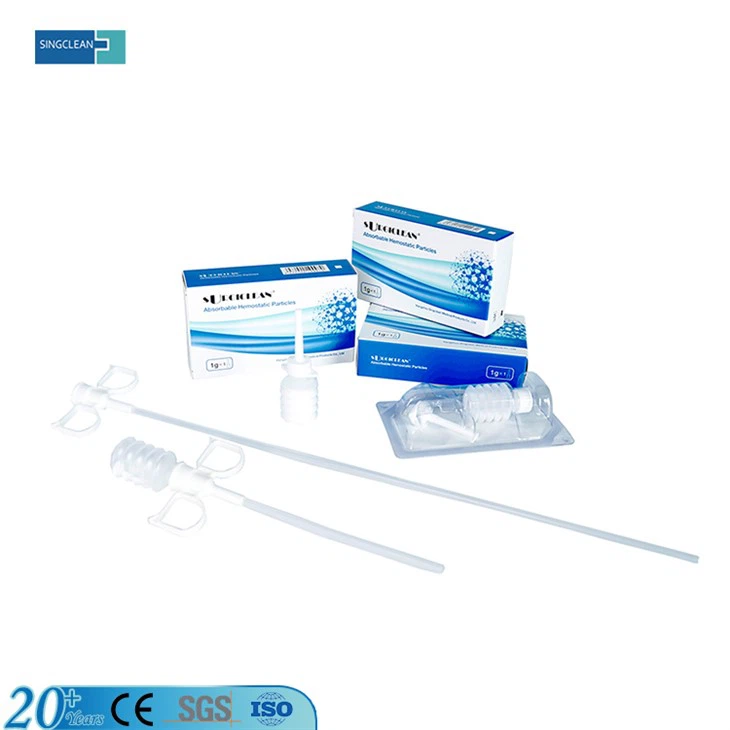
As a supplier of hemostatic particles, I am committed to providing high-quality products that are safe and effective. Our Surgical Hemostasis Agents, Haemostatic Powder, and Hemostatic Powder are designed to meet the highest standards of quality and performance. We work closely with healthcare professionals to ensure that our products are used appropriately and that patients receive the best possible care.
If you are interested in learning more about our hemostatic particles or would like to discuss potential procurement opportunities, please do not hesitate to contact us. We are always happy to answer your questions and provide you with the information you need to make an informed decision.
References
- [Author's Last Name, First Initial. (Year). Title of Article. Journal Name, Volume(Issue), Page Range.]
- [Author's Last Name, First Initial. (Year). Title of Book. Publisher.]
- [Author's Last Name, First Initial. (Year). Title of Website. URL.]