


Blood clotting is a vital physiological process that prevents excessive bleeding when a blood vessel is damaged. Platelets play a crucial role in this process, as they quickly adhere to the site of injury, aggregate to form a plug, and release various substances to promote further clotting. Blood clotting sponges are medical devices designed to accelerate the clotting process and control bleeding. As a blood clotting sponge supplier, I've been getting a lot of questions about how these sponges influence platelet function. So, let's dive into it.
The Basics of Platelet Function
Before we talk about how blood clotting sponges affect platelets, let's quickly go over what platelets do. Platelets are small, colorless cell fragments in our blood. When a blood vessel gets injured, the exposed collagen and other proteins in the vessel wall trigger a series of events that activate platelets.
Activated platelets change shape from round to spiky, which helps them stick to the damaged area. They also release chemicals like adenosine diphosphate (ADP), thromboxane A2, and serotonin. These chemicals attract more platelets to the site, causing them to clump together and form a platelet plug. This initial plug is a temporary fix that helps slow down the bleeding until a more stable fibrin clot can form.
How Blood Clotting Sponges Work
Blood clotting sponges are made from various materials, such as collagen, cellulose, and chitosan. These materials are biocompatible and have hemostatic properties. When a blood clotting sponge is applied to a bleeding wound, it interacts with the blood in several ways.
First, the sponge provides a physical scaffold for platelets to adhere to. The porous structure of the sponge mimics the extracellular matrix at the site of injury, making it easier for platelets to attach and become activated. This is similar to how platelets attach to the exposed collagen in a damaged blood vessel.
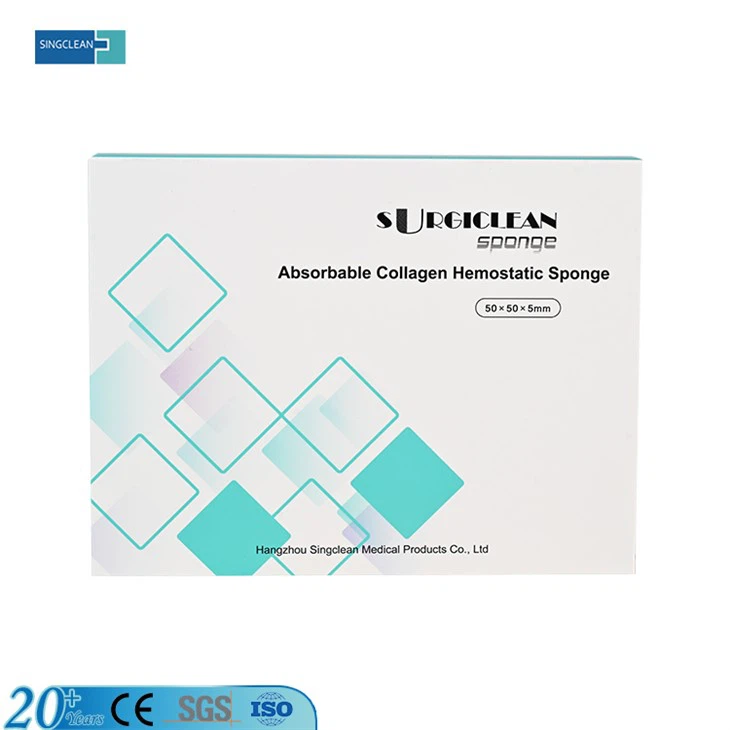
Second, some blood clotting sponges contain substances that can directly activate platelets. For example, collagen-based sponges, like the Hemostatic Collagen Sponge, can bind to specific receptors on the surface of platelets, triggering their activation. Once activated, platelets start to release their granular contents, which further promotes clotting.

Influence on Platelet Adhesion
One of the primary ways blood clotting sponges influence platelet function is by enhancing platelet adhesion. As mentioned earlier, the surface of the sponge provides a favorable environment for platelets to stick to. The materials used in the sponge, especially collagen, have a high affinity for platelets.
When a blood clotting sponge comes into contact with blood, platelets quickly adhere to the sponge's surface. This adhesion is mediated by various receptors on the platelet membrane, such as glycoprotein Ib-IX-V complex and integrin αIIbβ3. The interaction between these receptors and the components of the sponge activates intracellular signaling pathways in the platelets, leading to their activation and shape change.
Studies have shown that blood clotting sponges can significantly increase the number of platelets adhering to the wound site compared to the natural clotting process. This enhanced adhesion helps to form a more stable platelet plug, which is essential for controlling bleeding.
Effect on Platelet Aggregation
In addition to promoting adhesion, blood clotting sponges can also influence platelet aggregation. Once platelets are activated and adhered to the sponge, they start to release ADP and thromboxane A2. These substances act as positive feedback signals, attracting more platelets to the site and causing them to aggregate.
Blood clotting sponges can amplify this aggregation process. For example, the Collagen Hemostat can not only activate platelets but also enhance the release of ADP and thromboxane A2. This leads to a more rapid and extensive platelet aggregation, resulting in a larger and more stable platelet plug.
Moreover, some sponges may contain substances that can directly promote platelet aggregation. For instance, certain chitosan-based sponges have been shown to have a direct aggregating effect on platelets, independent of the traditional activation pathways.
Impact on Platelet Activation Signaling
Platelet activation is a complex process that involves multiple signaling pathways. Blood clotting sponges can influence these signaling pathways in several ways.
When platelets adhere to the sponge, the interaction between the platelet receptors and the sponge components activates intracellular signaling molecules, such as phospholipase C and protein kinase C. These molecules play a crucial role in the activation of platelets and the release of their granular contents.
Some blood clotting sponges may also modulate the activity of other signaling pathways involved in platelet function. For example, they can affect the levels of cyclic adenosine monophosphate (cAMP) and cyclic guanosine monophosphate (cGMP), which are important regulators of platelet activation. By altering the levels of these second messengers, the sponges can either enhance or inhibit platelet activation, depending on the specific mechanism of action.
Clinical Implications
The influence of blood clotting sponges on platelet function has significant clinical implications. In surgical procedures, these sponges can be used to control bleeding and reduce the need for blood transfusions. By enhancing platelet adhesion, aggregation, and activation, the sponges can quickly form a clot at the surgical site, minimizing blood loss and improving the overall outcome of the surgery.
In trauma situations, blood clotting sponges can be applied directly to the wound to stop bleeding before the patient reaches the hospital. This can be life-saving, especially in cases of severe bleeding where every second counts.
Considerations for Using Blood Clotting Sponges
While blood clotting sponges can be very effective in promoting hemostasis, there are some considerations to keep in mind. First, the type of sponge used should be appropriate for the specific wound and the patient's condition. Different sponges have different properties and mechanisms of action, so it's important to choose the right one for the job.
Second, the application technique is crucial. The sponge should be applied firmly and evenly to the bleeding site to ensure good contact with the blood. In some cases, additional pressure may be required to enhance the hemostatic effect.
Finally, it's important to monitor the patient's response to the sponge. In rare cases, there may be an adverse reaction to the sponge material, such as an allergic reaction or an excessive inflammatory response.
Conclusion
Blood clotting sponges have a significant influence on platelet function. They enhance platelet adhesion, aggregation, and activation, which helps to accelerate the clotting process and control bleeding. As a blood clotting sponge supplier, I'm proud to offer high-quality products like the Effective Hemostatic Sponge that can make a real difference in clinical settings.
If you're interested in learning more about our blood clotting sponges or would like to discuss potential procurement opportunities, I'd love to hear from you. Feel free to reach out, and we can start a conversation about how our products can meet your needs.
References
- Mann KG. Hemostasis and thrombosis: basic principles and clinical practice. Lippincott Williams & Wilkins; 2001.
- George JN. Disorders of platelet function. N Engl J Med. 2000;343(13):878-889.
- Marder VJ, Aird WC, Bennett JS, et al., eds. Hemostasis and Thrombosis: Basic Principles and Clinical Practice. 6th ed. Lippincott Williams & Wilkins; 2013.