


Can rapid hemostatic powder be used on animal bites?
As a supplier of rapid hemostatic powder, I often encounter questions from customers about the various applications of our product. One of the most frequently asked questions is whether rapid hemostatic powder can be used on animal bites. In this blog post, I will explore this topic in detail, drawing on scientific knowledge and practical experience to provide a comprehensive answer.
Understanding Animal Bites
Animal bites can range from minor scratches to deep, puncture wounds. They are not only painful but also carry a risk of infection due to the bacteria present in an animal's mouth. When an animal bites, it can damage blood vessels, leading to bleeding. The severity of the bleeding depends on the location, depth, and size of the wound, as well as the type of animal involved.

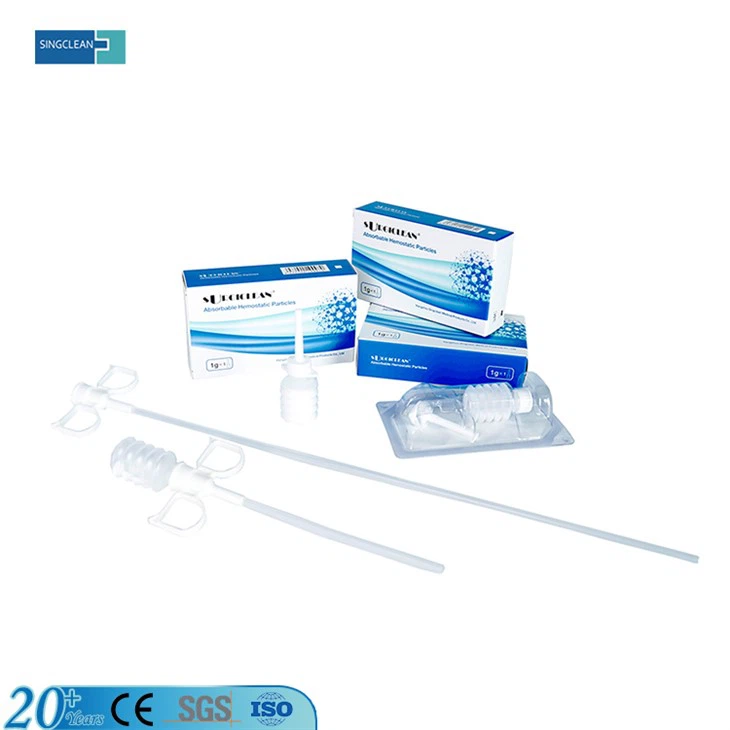
How Rapid Hemostatic Powder Works
Rapid hemostatic powder is designed to stop bleeding quickly. It typically works by promoting the formation of a blood clot. The powder contains substances that can activate the body's natural clotting cascade, a series of chemical reactions that lead to the formation of a fibrin meshwork, which traps blood cells and stops the flow of blood.
Some rapid hemostatic powders are made from natural materials, such as chitosan, a derivative of chitin found in the exoskeletons of crustaceans. Chitosan has been shown to have hemostatic properties and can also have antibacterial effects, which can be beneficial in preventing infection.
Can Rapid Hemostatic Powder Be Used on Animal Bites?
The short answer is yes, rapid hemostatic powder can be used on animal bites to stop bleeding. However, there are several important considerations to keep in mind.
1. Wound Cleaning
Before applying the hemostatic powder, it is crucial to clean the wound thoroughly. Animal bites can introduce dirt, bacteria, and other foreign objects into the wound, which can increase the risk of infection. Use mild soap and water to gently clean the area around the bite, and then rinse it well. If possible, use an antiseptic solution to further disinfect the wound.
2. Application Method
Once the wound is clean and dry, apply the rapid hemostatic powder directly to the bleeding area. Make sure to cover the wound completely with a thin layer of powder. Gently press the powder into the wound to ensure good contact with the bleeding tissue. You can then apply gentle pressure to the wound using a clean cloth or bandage to help the powder work more effectively.
3. Monitoring for Infection
Even after the bleeding has stopped, it is important to monitor the wound for signs of infection. These may include redness, swelling, pain, warmth, or the presence of pus. If you notice any of these symptoms, seek medical attention immediately.
4. Complementary Treatment
Rapid hemostatic powder is primarily used to stop bleeding. It is not a substitute for proper medical treatment. After using the powder to control the bleeding, it is advisable to seek medical advice, especially if the bite is deep, large, or from a wild or potentially rabid animal. A healthcare professional may recommend tetanus vaccination, antibiotics to prevent infection, or other appropriate treatments.
Advantages of Using Rapid Hemostatic Powder on Animal Bites
- Quick Hemostasis: The most obvious advantage is the ability to stop bleeding quickly. This can be especially important in cases where the bleeding is severe or difficult to control.
- Potential Antibacterial Properties: As mentioned earlier, some hemostatic powders, such as those containing chitosan, have antibacterial effects. This can help reduce the risk of infection at the bite site.
- Ease of Use: Rapid hemostatic powder is easy to apply, even in emergency situations. It can be carried in a first - aid kit and used immediately when needed.
Limitations and Precautions
- Not a Cure - All: While rapid hemostatic powder can stop bleeding, it does not address other aspects of animal bites, such as the risk of rabies or other infectious diseases.
- Allergic Reactions: Some people may be allergic to the ingredients in the hemostatic powder. It is important to test a small amount of the powder on a small area of skin before using it on a large wound, especially if you have a history of allergies.
- Proper Storage: Hemostatic powder should be stored in a cool, dry place to maintain its effectiveness. Exposure to moisture or extreme temperatures can reduce its hemostatic properties.
Real - World Applications and Case Studies
In many emergency situations, rapid hemostatic powder has been successfully used to stop bleeding from animal bites. For example, in rural areas where access to medical facilities may be limited, farmers and animal handlers have used hemostatic powder to treat bites from livestock or wild animals. In some cases, the powder has been able to stop bleeding quickly, allowing the injured person to reach a medical facility in a more stable condition.
Conclusion
Rapid hemostatic powder can be a valuable tool in treating animal bites by quickly stopping bleeding. However, it should be used in conjunction with proper wound cleaning and medical advice. If you are considering using rapid hemostatic powder, it is important to choose a high - quality product from a reliable supplier.
Our company offers a range of rapid hemostatic powders, including Absorbable Hemostatic Agents, Haemostatic Powder, and Hemostatic Powder. These products are designed to provide fast and effective hemostasis, with the added benefit of potential antibacterial properties.
If you are interested in learning more about our rapid hemostatic powders or would like to discuss purchasing options, please feel free to contact us. We are committed to providing high - quality products and excellent customer service.
References
- "Chitosan - Based Hemostatic Materials: A Review." Biomaterials Science, vol. 6, no. 8, 2018, pp. 1337 - 1351.
- "Management of Animal Bites." New England Journal of Medicine, vol. 360, no. 10, 2009, pp. 1003 - 1011.
- "Hemostatic Agents: A Review of Current Products and Their Mechanisms of Action." Journal of Trauma and Acute Care Surgery, vol. 75, no. 1 Suppl, 2013, pp. S6 - S11.