


Sunburn is a common skin condition that occurs when the skin is exposed to excessive ultraviolet (UV) radiation from the sun or artificial sources like tanning beds. It can range from mild redness and discomfort to severe blistering and peeling, which can be extremely painful and increase the risk of infection. As a supplier of rapid clotting powder, I often receive inquiries about whether our product can be used on wounds caused by sunburns. In this blog post, I'll explore the nature of sunburn wounds, the mechanism of rapid clotting powder, and analyze whether it's a suitable treatment for sunburn - related injuries.
Understanding Sunburn Wounds
Sunburn is essentially an inflammatory reaction of the skin. Mild sunburn usually causes the skin to turn red, feel warm, and may be slightly tender. This is due to the dilation of blood vessels in the skin as a response to UV - induced damage. In more severe cases, the skin can develop blisters. These blisters are filled with fluid and represent a second - degree burn, where the epidermis (the outermost layer of the skin) and part of the dermis are damaged.
The main concerns with sunburn wounds are pain, fluid loss, and the risk of infection. The skin's natural barrier function is compromised, making it easier for bacteria and other pathogens to enter the body. Unlike cuts or lacerations, sunburn wounds typically do not involve active bleeding in the traditional sense, as there are no severed blood vessels in the way that occurs with a physical injury.
How Rapid Clotting Powder Works
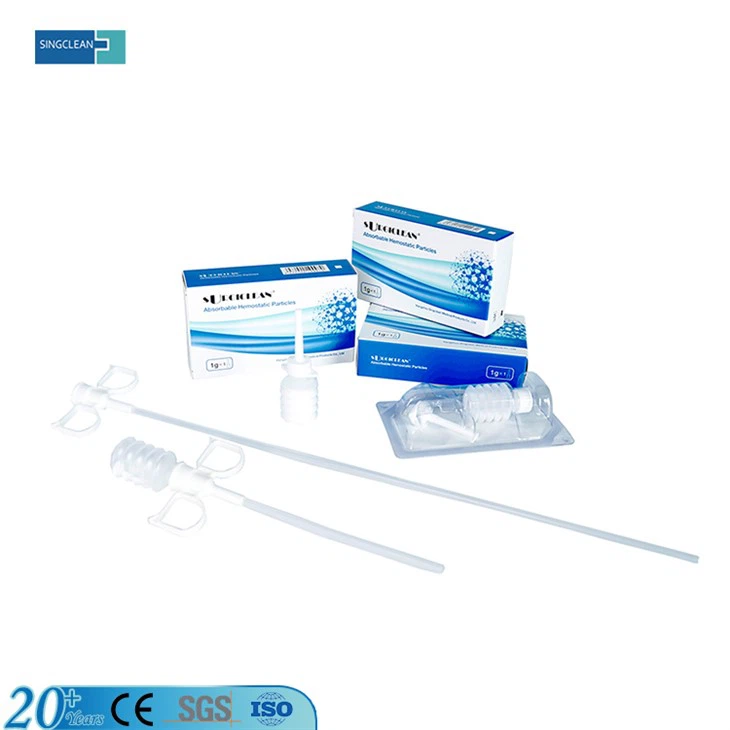
Rapid clotting powder, such as Absorbable Hemostatic Powder, Haemostatic Powder, and Wound Clotting Powder, is designed to accelerate the body's natural blood - clotting process. When applied to an open wound with bleeding, the powder comes into contact with the blood. It typically contains substances that activate platelets and coagulation factors in the blood.
Platelets are small cell fragments in the blood that play a crucial role in clot formation. When activated, they clump together at the site of the wound to form a plug. Coagulation factors, a series of proteins in the blood, then work in a cascade to form a fibrin mesh that reinforces the platelet plug, creating a stable blood clot. This process helps to stop bleeding quickly and promotes wound healing by providing a physical barrier against infection.
Can Rapid Clotting Powder Be Used on Sunburn Wounds?
In general, using rapid clotting powder on sunburn wounds is not recommended for several reasons.
Lack of Bleeding
As mentioned earlier, sunburn wounds usually do not involve active bleeding. The primary issue with sunburn is damage to the skin cells and the resulting inflammation, rather than the need to stop bleeding. Since rapid clotting powder is designed to address bleeding, it has no direct mechanism to treat the underlying causes of sunburn, such as DNA damage in skin cells and the inflammatory response.
Potential for Irritation
Sunburned skin is already sensitive and inflamed. The application of rapid clotting powder may cause additional irritation. The powder may contain substances that could trigger an allergic reaction or exacerbate the existing inflammation. For example, some clotting powders contain chemicals or polymers that might not be well - tolerated by sunburned skin, leading to increased redness, itching, or pain.
Interference with Wound Healing
Proper wound healing for sunburn involves the repair of damaged skin cells and the reduction of inflammation. The use of clotting powder may interfere with this natural process. Instead of allowing the skin to heal in its own way, the powder could create a barrier that prevents the normal exchange of oxygen and nutrients between the skin and the environment. This can slow down the healing process and potentially lead to complications.
Alternatives for Treating Sunburn Wounds
If you or someone you know has a sunburn, there are several effective ways to treat the condition:
Cool Compresses
Applying a cool, damp cloth to the sunburned area can help reduce pain and inflammation. The cool temperature helps to constrict blood vessels and soothe the skin. You can do this several times a day for 10 - 15 minutes each time.
Moisturizers
Using a gentle, fragrance - free moisturizer can help keep the skin hydrated and prevent peeling. Look for products that contain aloe vera, which has anti - inflammatory and soothing properties.
Over - the - Counter Pain Relievers
Non - steroidal anti - inflammatory drugs (NSAIDs) like ibuprofen can help reduce pain and inflammation associated with sunburn. Always follow the dosage instructions on the label.
Medical Attention
For severe sunburns with blisters, fever, or signs of infection (such as increased redness, swelling, or pus), it's important to seek medical attention. A healthcare provider may prescribe antibiotics or other treatments to prevent complications.

When Rapid Clotting Powder Might Be Useful
While rapid clotting powder is not suitable for typical sunburn wounds, there are situations where it could be relevant. If a sunburned area is accidentally scratched or cut, and there is active bleeding, then the rapid clotting powder can be used to stop the bleeding. In such cases, the principles of using the powder for a regular cut or laceration apply. First, clean the wound gently with mild soap and water, then apply the powder as directed on the product label.
Conclusion
In conclusion, rapid clotting powder is not a suitable treatment for most sunburn wounds due to the lack of bleeding, potential for irritation, and interference with the natural healing process. However, it can be a valuable tool in case of accidental cuts or lacerations on sunburned skin.
As a supplier of high - quality rapid clotting powder, we are committed to providing accurate information about our products. If you have any questions about our Absorbable Hemostatic Powder, Haemostatic Powder, or Wound Clotting Powder, or if you are interested in purchasing our products for appropriate applications, please feel free to reach out to us. We look forward to discussing your needs and providing you with the best solutions for your hemostatic requirements.
References
- American Academy of Dermatology Association. (2023). Sunburn. Retrieved from [Website URL of AAD's sunburn page]
- National Institutes of Health. (2022). Skin wound healing. Retrieved from [Website URL of NIH's skin wound healing page]
- Product information sheets for Absorbable Hemostatic Powder, Haemostatic Powder, and Wound Clotting Powder.