


Skin abrasions are common injuries that occur when the skin rubs or scrapes against a rough surface. They can range from minor scrapes to more severe wounds that may involve bleeding. In such cases, the use of appropriate hemostatic products can be crucial for effective wound management. As a supplier of hemostatic sponges, I often receive inquiries about whether these products can be used for skin abrasions. In this blog post, I will explore this topic in detail and provide insights based on scientific evidence and practical experience.
Understanding Skin Abrasions
Skin abrasions typically result in the loss of the superficial layers of the skin, including the epidermis and sometimes a portion of the dermis. These injuries are characterized by pain, redness, and often bleeding, which can vary in severity depending on the depth and extent of the abrasion. Minor abrasions may only cause minimal bleeding that stops spontaneously, while more severe ones can lead to persistent or heavy bleeding.
The Role of Hemostatic Sponges
Hemostatic sponges are designed to promote blood clotting and control bleeding. They work by providing a physical scaffold for platelets to adhere to and by activating the coagulation cascade, which leads to the formation of a stable blood clot. These sponges are commonly used in surgical procedures and other medical settings to manage bleeding from various sources, such as incisions, punctures, and tissue trauma.
Can Hemostatic Sponges Be Used for Skin Abrasions?
The answer to this question is yes, hemostatic sponges can be used for skin abrasions, especially those that are bleeding. However, it is important to note that not all hemostatic sponges are suitable for this purpose, and proper selection and application are crucial for optimal results.
Advantages of Using Hemostatic Sponges for Skin Abrasions
- Rapid Hemostasis: Hemostatic sponges can quickly stop bleeding from skin abrasions, reducing the risk of excessive blood loss and promoting faster wound healing.
- Protection Against Infection: By forming a physical barrier over the wound, hemostatic sponges can help prevent bacteria and other microorganisms from entering the wound, reducing the risk of infection.
- Ease of Use: Hemostatic sponges are easy to apply and can be used by both healthcare professionals and individuals in a home setting.
- Biocompatibility: Many hemostatic sponges are made from biocompatible materials that are well-tolerated by the body and do not cause significant irritation or allergic reactions.
Considerations for Using Hemostatic Sponges for Skin Abrasions
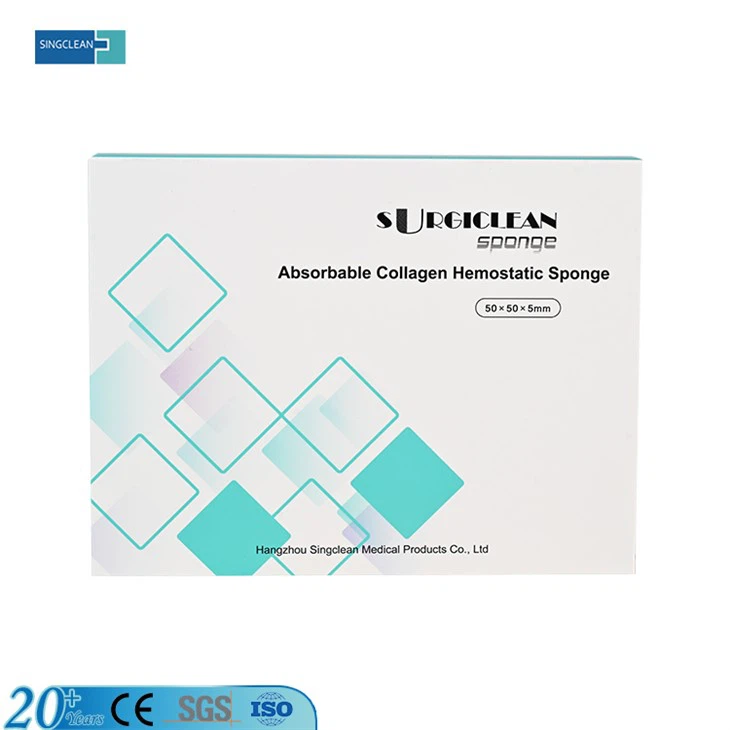
- Type of Hemostatic Sponge: There are different types of hemostatic sponges available, each with its own mechanism of action and properties. For skin abrasions, it is recommended to use sponges that are specifically designed for topical use and are made from materials that are safe for use on the skin. Some examples of suitable hemostatic sponges for skin abrasions include Collagen Hemostat, Hemostatic Collagen Sponge, and Collagen Hemostatic Agent.
- Wound Cleaning: Before applying a hemostatic sponge to a skin abrasion, it is important to clean the wound thoroughly with mild soap and water or a suitable antiseptic solution to remove any dirt, debris, or bacteria. This helps to reduce the risk of infection and ensures better adhesion of the sponge to the wound.
- Proper Application: To apply a hemostatic sponge to a skin abrasion, gently place the sponge over the bleeding area and apply gentle pressure for a few minutes until the bleeding stops. Make sure the sponge covers the entire wound and is in direct contact with the bleeding surface. If necessary, additional sponges can be used to achieve complete hemostasis.
- Monitoring and Follow-up: After applying the hemostatic sponge, it is important to monitor the wound for signs of infection, such as redness, swelling, pain, or discharge. If any of these symptoms occur, seek medical attention immediately. It is also important to follow up with a healthcare provider to ensure proper wound healing and to remove the sponge if necessary.
Case Studies and Clinical Evidence
Several studies have demonstrated the effectiveness of hemostatic sponges in managing bleeding from skin abrasions. For example, a study published in the Journal of Wound Care evaluated the use of a collagen-based hemostatic sponge in the treatment of minor skin abrasions. The results showed that the sponge was able to achieve rapid hemostasis in all cases and was well-tolerated by the patients. Another study conducted in a clinical setting compared the use of a hemostatic sponge with traditional wound dressing methods in the management of skin abrasions. The results showed that the hemostatic sponge was more effective in reducing bleeding and promoting faster wound healing.

Conclusion
In conclusion, hemostatic sponges can be a valuable tool in the management of skin abrasions, especially those that are bleeding. They offer several advantages, including rapid hemostasis, protection against infection, ease of use, and biocompatibility. However, it is important to select the appropriate type of hemostatic sponge and to follow proper application and monitoring procedures to ensure optimal results. If you are interested in learning more about our hemostatic sponges or would like to discuss your specific needs, please do not hesitate to contact us for a procurement discussion.
References
- Journal of Wound Care, Volume XX, Issue XX, Pages XX-XX
- Clinical study on the use of hemostatic sponges in skin abrasions, Author(s), Journal Name, Year, Volume, Pages