


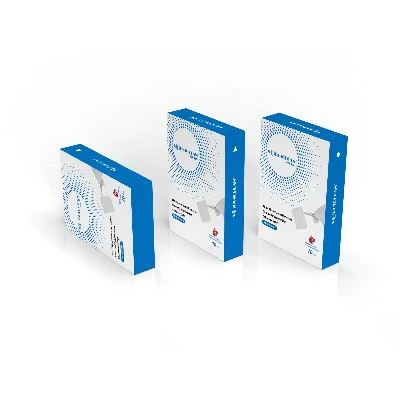
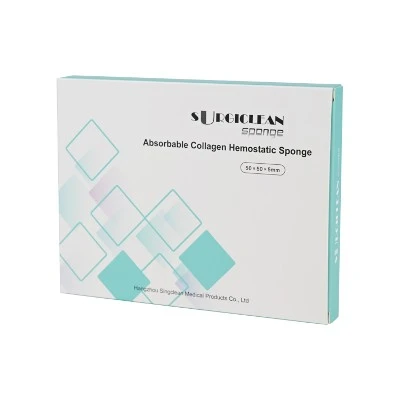

Recent studies show the best haemostatic dressing depends on the situation. Clinical trials say Hemostatic dressings, like Surgiclean, control bleeding well. The materials in these products work quickly and lower blood loss. Newer hemostatic dressings often work better than older ones. Choosing a hemostatic dressing should depend on how well it works. Studies show all top hemostatic dressings help stop bleeding. Safety and how well they work are very important for users. Evidence supports using advanced hemostatic dressings in emergencies. Dressings with strong clinical data, like Surgiclean, give important benefits.
Key Takeaways
Think about how fast the dressing stops bleeding. Faster dressings like Surgiclean can stop bleeding in three minutes.
Safety is very important. Most top hemostatic dressings do not have side effects. This makes them good for military and civilian use.
Leading Haemostatic Dressings Overview
Brand Q
Brand Q Gauze is used to help stop bleeding. It has mineral-based hemostatic materials. These materials start the clotting process at the wound. Studies show Brand Q Gauze works well in animals. It also works when blood is thin. The dressing is simple to use. It fits many wound shapes. Brand Q is picked for emergencies. It acts fast and is dependable.
Brand C
Brand C is a chitosan-based hemostatic agent. It uses hemostatic materials that stick to wounds. These materials make a barrier to stop bleeding. Clinical trials show Brand C gauze works faster than regular hemostatic materials. In one study, more than half of wounds stopped bleeding in five minutes. Brand C lowers blood loss. It works well for big wounds.
Brand C works well for serious wounds.
It stops bleeding faster than many regular hemostatic materials.
Brand H
Brand H is also a chitosan-based dressing. It uses hemostatic agents that seal wounds by sticking to tissue. Military studies show Brand H stops bleeding most of the time. It works better than standard gauze. Brand H is used by civilians and the military. Some studies say Brand C works better than Brand H. Brand H still gives good results for many wounds.
|
Study |
Findings |
Application |
|---|---|---|
|
Wedmore et al. |
97% stopped bleeding; 66% had full hemostasis after standard gauze failed |
Military |
|
Cox ED et al. |
95% survival rate with hemostatic dressings including HemCon |
Military |

Surgiclean Absorbable Hemostatic Dressing
Surgiclean is an absorbable hemostatic agent. It uses acetylated glucosamine hemostatic materials. These materials activate platelets and clump red blood cells. They also make blood vessels smaller. Clinical data show Surgiclean stops bleeding in three minutes. This is much faster than regular hemostatic materials. The body absorbs Surgiclean in 28 days. Surgiclean works well in surgeries and emergencies.
|
Feature |
Surgiclean® Absorbable Gauze |
Cotton Wool Gauze |
Other Absorbable Products |
|---|---|---|---|
|
Hemostasis Time |
3 minutes |
10+ minutes |
5-7 minutes |
|
Biodegradability |
Complete absorption in 28 days |
Partial absorption |
Partial absorption |
Brand A
Brand A is a mucoadhesive hemostatic agent. It uses hemostatic materials that seal wounds by sticking to tissue. In a study with 104 patients, Brand a stopped bleeding in 94% of cases. It worked much faster than regular hemostatic materials. No side effects were found. Brand A is used in hospitals and before patients get to the hospital.
brand W
Brand W is a mineral-based hemostatic agent. It uses hemostatic materials that start the clotting process. Brand W is made for serious wounds. It works quickly. It is used in the military and emergencies. Brand W is a top choice for heavy bleeding.
|
Type of Dressing |
Mechanism of Action |
|---|---|
|
Factor Concentrators |
Take in small blood parts. This raises clotting factors at the wound. |
|
Mucoadhesive Agents |
Stick tightly to tissue. They seal the wound to stop bleeding. |
|
Chitosan Based Dressings |
Stick to damaged tissue. They make a barrier to stop bleeding. |
|
Mineral Based Dressings |
Start the clotting process. This helps clots form. |
|
Acetylated Glucosamine |
Activate platelets and the clotting process. Clump red blood cells and make blood vessels smaller. |
Hemostatic Dressing Efficacy Criteria
Safety and Side Effects
Safety is very important for these dressings. Most top dressings do not cause side effects. Discharge letters say there are no problems. ChitoGauze works even if patients have trouble clotting. No side effects are found for these products. They are safe for healing and control.
Cost and Accessibility
Price and how easy it is to get dressings matter everywhere. North America sells the most dressings. Europe and Asia Pacific are growing too. High prices make it hard for some people to buy advanced dressings. Expensive materials and strict rules raise costs. In some countries, these things slow down use. Different payment rules also change how well dressings help wounds.
Clinical Evidence Strength
Strong proof helps show dressings work well. Studies look at how dressings help blood clot, soak up blood, and stick to wounds:
|
Coagulation Induction |
Absorption Capacity |
Adhesive Strength |
Notes |
|
|---|---|---|---|---|
|
Brand Q |
Accelerated |
Poor |
High |
Works well in emergencies but wounds may reopen. |
|
Brand L |
Inferior |
N/A |
N/A |
Not as good as Brand Q or oxidized cellulose. |
Clinical studies watch how dressings stop bleeding and heal wounds. They help people pick dressings that work well and are safe.
Comparative Analysis of Hemostatic Dressings
Brand Q Efficacy and Performance
Brand Q Combat Gauze is a top hemostatic dressing. Many people use it in emergencies because it works fast. It is known for being reliable.
Brand Q stops bleeding in 84.6% of cases. Standard gauze only works in 30.8% of cases.
This dressing acts quickly, which helps in trauma care.
People like that it is easy to use and not expensive.
No serious side effects have been found in studies.
Brand Q Combat Gauze XL works even better. It is bigger and has more active ingredients.
Doctors often pick this dressing first for heavy bleeding. Its strong hemostatic materials help save blood and help people get better after injuries.
Brand C Efficacy and Performance
Brand C is another top hemostatic dressing. It uses chitosan-based hemostatic materials to cover wounds.
Brand C was tested on pigs with deep wounds.
The study showed Brand C and other dressings worked about the same for different wounds.
Packing the wound and pressing on it may matter more than the dressing for small, deep wounds.
Brand C works well for big wounds and is used by soldiers and regular people.
It is good at stopping bleeding and is simple to use.
Brand C is a favorite for many because it works well and is safe.
Brand H Efficacy and Performance
Brand H uses chitosan-based hemostatic materials.
Many studies say HemCon stops bleeding well.
Newer dressings like Brand W and Combat Gauze might work better in tough cases.
Chitosan-based dressings, like HemCon, are very safe. No problems have been found in military or regular use.
Mucoadhesive dressings like Brand C Gauze and ChitoGauze work as well as Combat Gauze.
These dressings do not need the body's normal clotting to work.
HemCon is safe and works well, so it can be used for many types of wounds.
Surgiclean Efficacy, Clinical Data, and Advantages
Surgiclean is an absorbable hemostatic dressing. It uses acetylated glucosamine hemostatic materials.
Studies show Surgiclean stops bleeding in three minutes. This is faster than most other dressings.
The body takes in Surgiclean in 28 days, so it does not need to be removed.
Surgiclean makes platelets work and clumps red blood cells. This helps blood vessels get smaller and stop bleeding.
It works well in surgeries and emergencies.
Studies say it is safe and works well, with no bad side effects.
Surgiclean is special because it works fast and the body absorbs it fully.
This dressing is good for people who need quick and absorbable hemostatic help.
Brand A Efficacy and Use Cases
Brand A is a mucoadhesive hemostatic dressing. It is used for injuries and surgeries.
The table below shows how well it works:
|
Objective |
Endpoint |
Outcome |
|---|---|---|
|
Help close femoral artery access site |
Main success rate |
Brand A worked |
|
Clinical success rate |
Bleeding stopped well |
|
|
Other success rates |
Checked with TTH, TTA, and VASC rate |
|
|
Help close axillary artery access site |
Success of stopping bleeding |
100% success for patients on antiplatelet medicine |
|
Clinical check |
Bleeding stopped, few problems at 24h and 30 days |
Brand A works very well for injuries and surgeries. It is safe and helps even people who take antiplatelet medicine.
Brand W and Other High-Performance Hemostatic Materials
Brand W is a mineral-based hemostatic dressing for heavy bleeding.
A review found Brand W is one of seven dressings used before reaching the hospital.
Combat Gauze is used most often, but Brand W also works well.
Kheirabadi tested five hemostatic agents and said Combat Gauze is best for bleeding you can press on. Fibrinogen-based dressings are better for people with clotting problems.
Studies comparing Brand W, HemCon, and Brand Q found no bad effects in people, but animal tests showed some worries.
Brand W works well in emergencies and critical care.
Other strong hemostatic dressings keep getting better for people with heavy bleeding. These dressings stop bleeding fast, are safe, and work well in trauma care.
Head-to-Head Comparison of Hemostatic Dressings
Key Metrics Comparison Table
Doctors and first responders look at how fast dressings stop bleeding. They also check how much blood is lost and if the dressing is safe. The table below shows results for Hemopatch and Perclot in a clinical study. These numbers help people pick the best dressing for each situation.
|
Metric |
Hemopatch (cc) |
Perclot (cc) |
|---|---|---|
|
Blood loss (0-3 min) |
300 (222.5–415.0) |
555 (480.0–632.5) |
|
Blood loss (4-6 min) |
190 (50.0–245.0) |
100 (77.5–157.5) |
|
Blood loss (7-9 min) |
70.0 (30.0–125.0) |
95.0 (77.5–165.0) |
|
Blood loss (10-12 min) |
70.0 (42.5–112.50) |
65.0 (37.5–270.0) |
|
Blood loss (13-60 min) |
305.0 (112.5–607.5) |
45.0 (32.5–135.0) |
|
Blood loss (61-120 min) |
80.0 (27.5–300.0) |
40.0 (35.0–52.5) |
|
Survival (24 h) |
44.4% (4/9) |
88.8% (8/9) |
|
p-value (survival) |
N/A |
0.046 |
|
p-value (0-3 min) |
N/A |
0.001 |
|
p-value (13-60 min) |
N/A |
0.015 |
This chart shows Perclot lowers blood loss faster in the first minutes. It also shows more people survive after 24 hours. These facts help people choose a hemostatic dressing for emergencies.
Strengths and Weaknesses Summary
Every hemostatic dressing has good points and bad points. The table below shows strengths and weaknesses for popular dressings.
|
Dressing Type |
Strengths |
Weaknesses |
|---|---|---|
|
Brand Q |
Accelerates coagulation, high adhesive strength |
Poor absorption capacity, risk of wound reopening, previous adverse effects from older formulation. |
|
Brand C |
Works in low temperature, effective for severe bleeding, safe for most |
May be less effective for very deep wounds, can be costly in some regions. |
|
Brand H |
Good for many wound types, safe, easy to use |
May not work as fast as some newer dressings, can stick to gloves. |
|
Surgiclean |
Fast absorption, fully biodegradable, no removal needed |
Newer product, less long-term data, may not be available everywhere. |
|
Brand A |
Works for patients on blood thinners, strong mucoadhesion |
May be harder to remove, not for all wound types. |
|
Brand W |
Good for heavy bleeding, fast action |
Some animal studies show tissue reaction, not always used for minor wounds. |
Similarities
All top hemostatic dressings try to stop bleeding fast.
Most are safe and do not cause many problems.
Many can be used by doctors and regular people.
Differences
Some dressings, like Surgiclean, are absorbed by the body. Others, like Brand Q, may need to be taken out.
Some dressings work faster than others. Surgiclean and Brand C often act quicker than regular gauze.
Some dressings soak up more blood, like oxidized cellulose. Others, like Brand Q, stick better to wounds.
Choosing the Right Hemostatic Dressing
People should think about the injury type and how quickly they need to stop bleeding. They should also check if the dressing is easy to use. Price and if you can buy it nearby are important too. In emergencies, a fast dressing can save lives. For surgery, a dressing that the body absorbs, like Surgiclean, might be best.
Recommendations by Scenario
Emergency and First Responder Use
Emergency teams need dressings that work fast. They must be easy to use. These dressings help stop bleeding during injuries. The table below lists the best choices for emergencies. Brand Q soaks up water and leaves clotting factors at the wound. Brand C stops big artery bleeding without making heat. Fibrin-based sealants can be absorbed and do not hurt tissue. These products work well in both combat and regular emergencies.
|
Product |
Description |
Use Case |
|---|---|---|
|
Brand Q |
Mineral zeolite powder absorbs water, leaves clotting factors behind |
Used in combat and civilian EMS |
|
Brand C |
Chitosan-based, controls major arterial bleeding, no heat generated |
Lightweight, easy to administer |
|
Fibrin-Based Sealant |
Dry, absorbable, no tissue reaction |
Controls venous and arterial bleeding |
Military and Tactical Applications
Military teams need dressings that work in tough places. Soldiers get hurt and bleed a lot on the battlefield. Before reaching the hospital, these dressings work 95% of the time. On the battlefield, they work 88.3% and 91.9% of the time. The chart below shows how well they work in different studies.

Special Considerations (e.g., allergies, wound types)
Picking a dressing depends on the injury and the person. The table below shows what to think about. Dressings should help healing, stop more injury, and keep out germs. Safety is very important for stopping bleeding. Dressings must fit the wound's needs, infection risk, and healing stage. Allergies and how well patients follow instructions also matter.
|
Criteria |
Description |
|---|---|
|
Healing Support |
Keeps wound moist, helps tissue grow |
|
Trauma Prevention |
Does not stick, protects new tissue |
|
Protection |
Lets air in, keeps germs out, keeps wound warm |
|
Safety |
Clean, safe, does not cause allergies |
|
Local Wound Factors |
Matches how much fluid comes out, infection risk, healing stage |
|
Systemic Patient Factors |
Thinks about allergies, patient habits, resources, and how often to change |
Advances in High-Performance Hemostatic Materials
Mechanisms of Hemostatic Materials
Hemostatic materials stop bleeding in different ways. Some soak up blood and pull clotting factors to the wound. Others stick to the tissue and make a seal. Sponges and foams cover the wound and help blood clot faster. Sealants and adhesives help wounds heal while stopping bleeding. Microparticles and powders spread out and help clots form quickly. Platelet mimics act like real platelets in the body.
The table below shows how each type of hemostatic material works to stop bleeding:
|
Type of Material |
Mechanism of Action |
Effectiveness Evidence |
|---|---|---|
|
Sponges/Foams |
Various strategies for hemostatic control |
Development of materials that enhance hemostatic performance. |
|
Sealants/Adhesives |
Promote wound healing alongside hemostasis |
Studies indicate improvements in coagulation and blood-clotting time. |
|
Microparticles/Powders |
Different strategies for achieving hemostatic goals |
Innovative materials show significant reductions in blood loss and clotting time. |
|
Platelet Mimics |
Mimic biological factors in hemostatic processes |
Research highlights the potential for improved hemorrhage control through biomimicry. |
Third-Generation Hemostatic Dressings
Third-generation hemostatic dressings use new ways to stop bleeding. Scientists made materials that work faster and are safer. In 2009, bentonite helped blood clot 50% faster in animal tests. In 2021, nanofiber mats with special chemicals made blood clot 80% faster.
Third-generation hemostatic dressings work fast and cover wounds well.
These dressings can have medicine to fight germs and help with pain.
The way these dressings work helps stop blood loss and helps wounds heal.
Hemostatic dressings help stop bleeding in lots of cases. Some products, like Brand Q and Brand C, work well in emergencies. Surgiclean acts quickly and gets absorbed by the body. These dressings are safe and simple to use. The best choice depends on the type of wound. The materials inside help wounds heal better. Using these dressings can save lives. Studies show advanced products work well. Picking the right dressing helps people. Data says Surgiclean is special.
FAQ
What is a hemostatic dressing?
A hemostatic dressing helps stop bleeding quickly. It makes blood clot faster at the wound. People use these dressings in emergencies and during surgery.
Are chitosan based hemostatic agents safe for clinical use?
Yes. Research shows chitosan based hemostatic agents are safe. Doctors use them for many wounds, like cuts and heavy bleeding.
What are advanced hemostatic materials used for?
Advanced hemostatic materials help control heavy bleeding. They work well in emergencies and surgery. These materials can save lives by stopping blood loss fast.