


What is the shelf life of absorbable hemostatic dressing?
As a supplier of Absorbable Hemostatic Dressing, I often encounter inquiries from customers regarding the shelf life of our products. Understanding the shelf life is crucial for both medical professionals and end - users as it directly impacts the safety and effectiveness of the hemostatic dressing. In this blog, I will delve into the factors affecting the shelf life of absorbable hemostatic dressing and provide some insights based on our experience in the industry.
Definition and Types of Absorbable Hemostatic Dressing
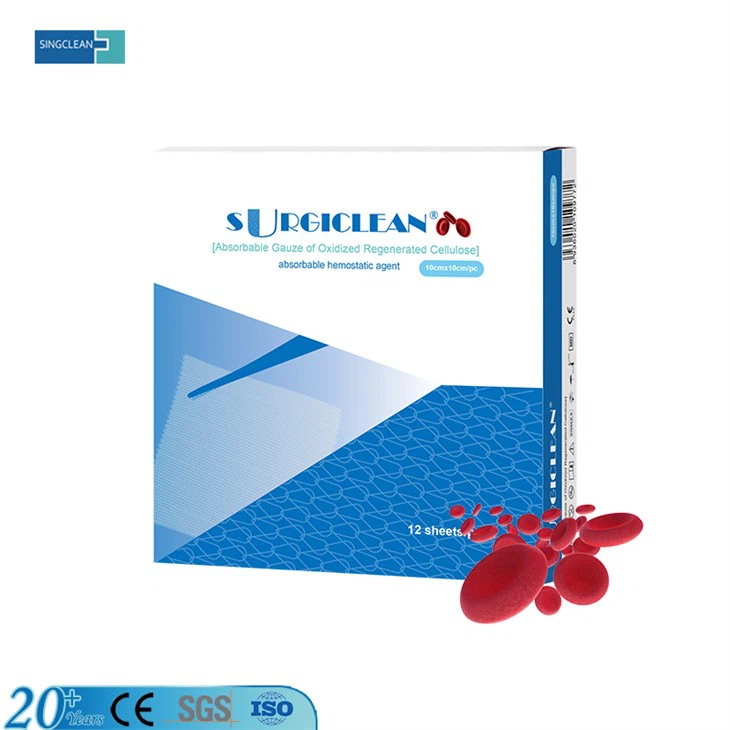
Absorbable hemostatic dressings are medical products designed to control bleeding by promoting blood clotting and are eventually absorbed by the body. There are several types of absorbable hemostatic dressings available in the market. For instance, Absorbable Hemostatic Dressing is a general term that encompasses various formulations. Blood Stop Gauze is a popular type, which is often used in surgical procedures and wound management. Another type is Oxidized Cellulose Dressing, which is made from oxidized cellulose fibers and has unique hemostatic properties.
Factors Affecting Shelf Life
Material Composition
The material used in the absorbable hemostatic dressing plays a significant role in determining its shelf life. For example, dressings made from natural polymers such as collagen or cellulose may have a different shelf life compared to those made from synthetic materials. Natural polymers are more susceptible to degradation by environmental factors such as moisture and enzymes. Collagen - based dressings, for instance, can be affected by microbial growth if not stored properly. On the other hand, synthetic materials are often more stable and may have a longer shelf life. However, they still need to be protected from extreme conditions.
Packaging
Proper packaging is essential for maintaining the integrity of absorbable hemostatic dressings. The packaging should provide a barrier against moisture, oxygen, and light. Most absorbable hemostatic dressings are packaged in sealed pouches or containers. The quality of the packaging material, such as the thickness and permeability of the plastic or foil, can affect the shelf life. A well - sealed package can prevent the ingress of contaminants and slow down the degradation process. For example, if the packaging is damaged or has a poor seal, the dressing may be exposed to air and moisture, leading to a shorter shelf life.
Storage Conditions
The storage conditions have a profound impact on the shelf life of absorbable hemostatic dressings. These dressings should be stored in a cool, dry place away from direct sunlight. High temperatures can accelerate the degradation of the dressing material, while high humidity can promote microbial growth. Ideal storage temperatures usually range from 2 - 8°C for some products, while others can be stored at room temperature (around 20 - 25°C). It is also important to avoid storing the dressings in areas with high levels of chemicals or strong odors, as these can potentially interact with the dressing material and affect its performance.
Typical Shelf Life of Absorbable Hemostatic Dressing
The shelf life of absorbable hemostatic dressings can vary depending on the type and brand. In general, most absorbable hemostatic dressings have a shelf life of 2 - 5 years. For example, some collagen - based dressings may have a shelf life of about 2 years, while certain synthetic - based dressings can last up to 5 years. However, it is important to note that these are just approximate values, and the actual shelf life can be influenced by the factors mentioned above.
Manufacturers usually conduct stability studies to determine the shelf life of their products. These studies involve storing the dressings under different conditions and periodically testing their physical, chemical, and biological properties. Based on the results of these studies, the manufacturer assigns a shelf life to the product, which is then indicated on the packaging.
Importance of Adhering to Shelf Life
Using absorbable hemostatic dressings beyond their shelf life can pose significant risks. Over time, the dressing material may degrade, leading to a decrease in its hemostatic effectiveness. The dressing may also become contaminated with microorganisms, which can cause infections in the wound. In addition, the physical properties of the dressing, such as its flexibility and absorbency, may change, making it less suitable for use. Therefore, it is crucial for medical professionals and end - users to check the expiration date on the packaging and ensure that they are using the dressing within its recommended shelf life.
Quality Control and Assurance
As a supplier, we take quality control and assurance very seriously. We have strict manufacturing processes in place to ensure that our absorbable hemostatic dressings meet the highest standards. Our products are manufactured in a clean and controlled environment, and each batch is tested for quality before it is released to the market. We also conduct regular stability studies to monitor the shelf life of our products and make any necessary adjustments to the manufacturing process or packaging.
Conclusion
In conclusion, the shelf life of absorbable hemostatic dressings is influenced by various factors, including material composition, packaging, and storage conditions. Understanding these factors is essential for ensuring the safety and effectiveness of the dressings. As a supplier, we are committed to providing high - quality absorbable hemostatic dressings with a reasonable shelf life. If you are interested in purchasing our products or have any questions regarding the shelf life or other aspects of our absorbable hemostatic dressings, please feel free to contact us for further discussions and procurement negotiations.

References
- [List of relevant industry standards on medical product shelf life]
- [Research papers on the degradation of absorbable hemostatic dressing materials]
- [Manufacturer's guidelines on storage and shelf life of absorbable hemostatic dressings]