


Hey there! As a supplier of effective clotting gauze, I often get asked about the porosity of this essential medical product. So, let's dive right in and explore what the porosity of effective clotting gauze really means and why it matters.

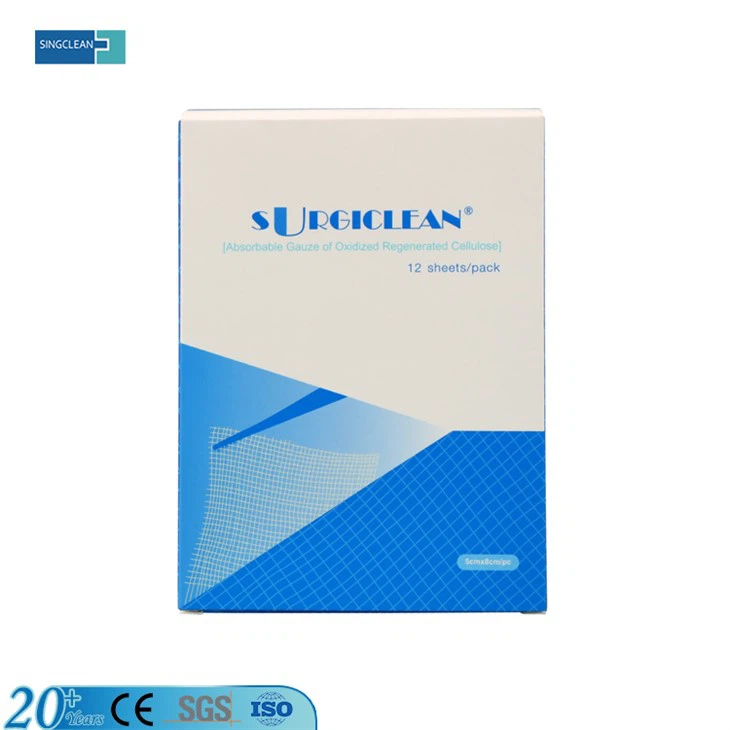
First off, what is porosity? In simple terms, porosity refers to the amount of empty space or pores within a material. For clotting gauze, these pores play a crucial role in its ability to stop bleeding effectively. When a wound bleeds, the blood needs to be able to penetrate the gauze and come into contact with the clotting agents within it. The porosity of the gauze determines how easily the blood can flow through and interact with these agents.
A high - porosity clotting gauze allows blood to quickly seep into the material. This is important because it enables the clotting agents, such as certain chemicals or natural substances, to start working right away. The blood fills the pores, and the clotting process begins. On the other hand, a low - porosity gauze might impede the flow of blood, delaying the clotting process.
Let's talk about the benefits of having the right porosity in clotting gauze. One of the main advantages is faster clot formation. When blood can easily reach the clotting agents, it can form a stable clot more rapidly. This is especially critical in emergency situations where every second counts. For example, in a trauma setting, a patient with severe bleeding needs immediate attention. A high - porosity clotting gauze can help stop the bleeding quickly, reducing the risk of excessive blood loss and potentially saving lives.
Another benefit is better conformability. A gauze with appropriate porosity can mold to the shape of the wound more easily. This is because the pores allow the material to be more flexible and adaptable. When the gauze conforms well to the wound, it can cover the bleeding area more effectively, providing better contact between the clotting agents and the blood.
Now, how do we measure the porosity of clotting gauze? There are several methods used in the medical industry. One common way is to use a technique called mercury intrusion porosimetry. This method involves forcing mercury into the pores of the gauze under pressure. By measuring the amount of mercury that enters the pores and the pressure required, we can determine the size and distribution of the pores.
Another method is gas adsorption. In this technique, a gas, such as nitrogen, is adsorbed onto the surface of the gauze. By analyzing the amount of gas adsorbed and the way it interacts with the pores, we can get an idea of the porosity characteristics.
As a supplier, we pay close attention to the porosity of our clotting gauze. We use advanced manufacturing processes to ensure that the porosity is optimized for maximum effectiveness. Our research and development team constantly tests and refines the production methods to achieve the ideal balance of porosity.
There are different types of clotting gauze available in the market, each with its own porosity characteristics. For instance, Absorbable Hemostat is designed to be absorbed by the body over time. Its porosity is engineered to allow for efficient blood clotting while also facilitating the absorption process.
Hemostatic Gauze Dressing is another popular option. It is often used in surgical procedures and wound care. The porosity of this type of gauze is carefully calibrated to provide quick and reliable clotting.
Oxidized Cellulose Dressing is known for its natural clotting properties. The porosity of oxidized cellulose dressing helps to enhance its ability to interact with blood and promote clot formation.
When it comes to choosing the right clotting gauze, porosity is just one factor to consider. Other factors, such as the type of clotting agents used, the size and shape of the gauze, and its sterility, also play important roles. However, porosity is a key characteristic that can significantly impact the performance of the gauze.
We understand that medical professionals and institutions need high - quality clotting gauze that they can rely on. That's why we are committed to providing the best products in the market. Our clotting gauze undergoes rigorous quality control tests to ensure that it meets the highest standards of porosity and effectiveness.
If you're in the market for effective clotting gauze, whether you're a hospital, a clinic, or an emergency response team, we'd love to talk to you. We can provide you with detailed information about our products, including their porosity characteristics and how they can benefit your patients. Contact us to start a discussion about your specific needs and how our clotting gauze can be the right solution for you.
In conclusion, the porosity of effective clotting gauze is a critical factor that affects its ability to stop bleeding quickly and efficiently. By understanding the importance of porosity and choosing the right product, medical professionals can provide better care for their patients. So, if you're looking for a reliable supplier of clotting gauze, don't hesitate to reach out.
References
- Textbook of Wound Healing and Hemostasis
- Journal of Medical Materials Research: Part B - Applied Biomaterials
- International Journal of Emergency Medicine