


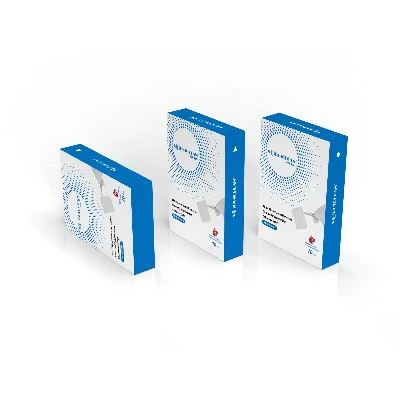


Hey there! As a supplier of safe gauze hemostats, I've seen firsthand how crucial it is to handle these products properly to avoid contamination. In this blog, I'm gonna share some tips and best practices on how to do just that.
First off, let's talk about what a safe gauze hemostat is. It's a medical device used to control bleeding by applying pressure to the wound. There are different types of hemostatic gauzes available in the market, like Absorbable Hemostatic Dressing, Oxidized Cellulose Hemostatic Agent, and Hemostatic Gauze. Each type has its own unique features and benefits, but the main goal is the same: to stop bleeding and prevent infections.
Storage
The first step in handling a safe gauze hemostat is proper storage. You should always store these products in a cool, dry place away from direct sunlight and moisture. High temperatures and humidity can damage the hemostatic properties of the gauze and increase the risk of contamination. Make sure to keep the packages sealed until you're ready to use them. If you notice any signs of damage or tampering on the package, don't use the gauze.
Handling with Clean Hands
Before you even touch the hemostatic gauze, you need to make sure your hands are clean. Wash your hands thoroughly with soap and water for at least 20 seconds. If soap and water aren't available, you can use an alcohol - based hand sanitizer. This helps to get rid of any germs or bacteria that could transfer to the gauze and cause contamination.
When you're opening the package of the hemostatic gauze, try to avoid touching the inside of the package or the gauze itself with dirty hands. Open the package carefully along the designated tear lines. If the package has a peel - back opening, peel it back slowly and gently to minimize the risk of introducing contaminants.
Using Sterile Techniques
If possible, use sterile gloves when handling the hemostatic gauze. Sterile gloves create a barrier between your hands and the gauze, reducing the chance of contamination. Put on the gloves correctly, making sure there are no holes or tears in them.
When you're removing the gauze from the package, use a pair of sterile forceps or tweezers. This further reduces the direct contact between your hands and the gauze. Hold the forceps by the handle and pick up the gauze at one corner. Avoid squeezing or crushing the gauze, as this could damage its structure and affect its hemostatic properties.
Application
When applying the hemostatic gauze to the wound, make sure the wound area is as clean as possible. If there's debris or dirt in the wound, gently clean it with a sterile saline solution. Then, place the hemostatic gauze directly on the bleeding site. Apply firm pressure to the gauze for the recommended amount of time. This pressure helps the gauze to adhere to the wound and activate its hemostatic properties.
Don't re - use the hemostatic gauze. Once it's been in contact with a wound, it's considered contaminated and should be discarded properly. Using a used gauze on another wound can spread bacteria and increase the risk of cross - contamination.
Disposal
After you've used the hemostatic gauze, dispose of it correctly. Place the used gauze in a biohazard waste container. Biohazard waste containers are designed to safely contain and dispose of medical waste that may be contaminated with infectious materials. Make sure the container is properly labeled and sealed to prevent any leakage or exposure.
Training and Education
It's also important to train the people who will be handling the hemostatic gauze. Whether it's medical staff in a hospital or first - aid providers in other settings, they need to know the proper handling procedures. Provide them with detailed instructions on storage, handling, application, and disposal. This can be done through on - the - job training, workshops, or online courses.
Quality Assurance
As a supplier, I take quality assurance very seriously. We have strict quality control measures in place to ensure that our safe gauze hemostats are of the highest quality. We test each batch of products to make sure they meet the necessary standards for hemostatic effectiveness and sterility. But it's also up to you, the end - user, to handle these products correctly to maintain their quality.
In conclusion, handling a safe gauze hemostat to avoid contamination is a multi - step process that involves proper storage, clean hands, sterile techniques, correct application, and proper disposal. By following these guidelines, you can ensure that the hemostatic gauze works effectively and safely to stop bleeding and prevent infections.
If you're in the market for high - quality safe gauze hemostats, I'd love to have a chat with you. Whether you're a hospital, a clinic, or a first - aid provider, we can offer you the right products at competitive prices. Reach out to us to start a procurement discussion and find out how we can meet your specific needs.


References
- Centers for Disease Control and Prevention (CDC). Guidelines for Hand Hygiene in Healthcare Settings.
- World Health Organization (WHO). Best Practices for Medical Device Storage and Handling.
- Association for the Advancement of Medical Instrumentation (AAMI). Standards for Hemostatic Devices.