


Effective clotting gauze plays a crucial role in wound management, especially in controlling bleeding and promoting healing. As a leading supplier of high - quality effective clotting gauze, I am deeply involved in understanding how this product interacts with the wound's moisture balance. This interaction is a complex yet fascinating process that directly impacts the overall wound healing outcome.
The Basics of Wound Moisture Balance
Before delving into the interaction between effective clotting gauze and wound moisture balance, it is essential to understand what wound moisture balance entails. A wound is a disruption of the normal structure and function of the skin and underlying tissues. When a wound occurs, the body initiates a series of physiological responses, including the release of various fluids.
The wound bed typically contains a mixture of blood, plasma, and tissue exudate. This exudate is rich in proteins, growth factors, and immune cells, which are vital for the wound - healing process. However, maintaining an appropriate level of moisture in the wound is crucial. Too much moisture can lead to maceration of the surrounding skin, increasing the risk of infection and delaying healing. On the other hand, a dry wound can impede the migration of cells necessary for tissue repair and may form a hard scab that prevents proper re - epithelialization.
How Effective Clotting Gauze Works
Effective clotting gauze is designed to accelerate the natural blood - clotting process. It usually contains substances such as chitosan, which has inherent hemostatic properties. When the gauze comes into contact with blood, the positively charged chitosan molecules interact with the negatively charged cell membranes of red blood cells and platelets. This interaction causes the cells to aggregate, forming a clot more rapidly than the body's normal clotting mechanism alone.
In addition to promoting clot formation, effective clotting gauze also has a role in managing wound moisture. The structure of the gauze allows it to absorb excess exudate from the wound. This absorption helps to prevent the accumulation of fluid around the wound, which could otherwise lead to the problems associated with excessive moisture, such as maceration.
Interaction with Wound Moisture
Absorption of Excess Moisture
One of the primary ways effective clotting gauze interacts with the wound's moisture balance is through its absorption capacity. The gauze is made up of a porous network that can trap and hold liquid. As the wound exudes fluid, the gauze acts like a sponge, soaking up the excess moisture. This is particularly important in the early stages of wound healing when the wound may produce a large amount of exudate.
For example, in a surgical wound, the initial post - operative period is often characterized by significant oozing of blood and plasma. By placing effective clotting gauze on the wound, the excess fluid can be quickly absorbed. This not only helps to keep the wound area dry but also reduces the risk of infection by removing a potential breeding ground for bacteria. The absorbed moisture is held within the gauze fibers, preventing it from seeping out and causing damage to the surrounding skin.
Maintaining a Moist Microenvironment
While effective clotting gauze absorbs excess moisture, it also helps to maintain a moist microenvironment within the wound itself. The absorbed fluid is not completely removed from the wound site; instead, it is distributed throughout the gauze. This distribution allows for a controlled release of moisture back into the wound.
A moist microenvironment is essential for several reasons. It provides a medium for the diffusion of nutrients and oxygen to the cells involved in wound repair. It also facilitates the migration of cells such as fibroblasts and keratinocytes, which are crucial for the formation of new tissue and the re - growth of the skin. The controlled release of moisture from the gauze ensures that the wound does not become too dry, while still preventing excessive wetness.
Prevention of Drying
Effective clotting gauze can also prevent the wound from drying out. In some cases, the wound may be exposed to air, which can cause rapid evaporation of moisture. The gauze acts as a barrier between the wound and the external environment, reducing the rate of moisture loss. This is especially important in wounds that are located in areas with high air circulation or in environments with low humidity.
By preventing the wound from drying out, the gauze helps to maintain the integrity of the wound bed and promotes a more favorable environment for cell growth and tissue repair. It also reduces the pain associated with a dry, scabbed - over wound, as the moist environment is more comfortable for the patient.
Clinical Implications
The interaction between effective clotting gauze and the wound's moisture balance has significant clinical implications. In emergency situations, such as trauma cases, the rapid control of bleeding and proper management of wound moisture can be life - saving. Effective clotting gauze can be quickly applied to a bleeding wound, stopping the hemorrhage and helping to maintain an appropriate moisture level.
In chronic wounds, such as diabetic foot ulcers or pressure ulcers, the use of effective clotting gauze can also improve the healing process. These wounds often have a disrupted moisture balance due to factors such as poor circulation and impaired immune function. The gauze can absorb excess exudate, prevent maceration, and provide a moist environment that supports the growth of new tissue.
Product - Specific Considerations
As a supplier of effective clotting gauze, I understand the importance of product quality and consistency. Different types of effective clotting gauze may have varying absorption capacities and rates of moisture release. For instance, some gauzes are designed for heavy - exuding wounds and have a higher absorption capacity, while others are more suitable for light - exuding wounds and may have a more gentle moisture - management approach.

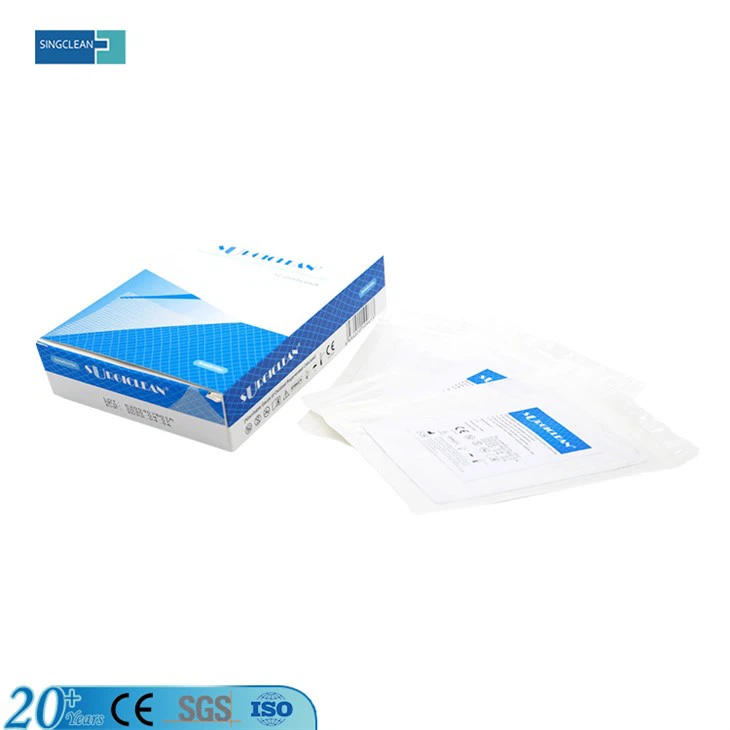
It is also important to consider the compatibility of the gauze with other wound - care products. For example, if the gauze is to be used in combination with a topical antibiotic or a growth - factor - containing dressing, it is essential to ensure that there are no adverse interactions that could affect the gauze's performance or the wound - healing process.
Choosing the Right Effective Clotting Gauze
When selecting an effective clotting gauze for a particular wound, healthcare providers need to consider several factors. The type and severity of the wound are the primary considerations. For example, a deep, penetrating wound may require a gauze with a high hemostatic capacity and excellent absorption properties.
The patient's overall health and the presence of any underlying conditions, such as diabetes or immune - deficiency, also play a role. In these cases, a gauze that can help to manage the wound's moisture balance while also providing a barrier against infection may be preferred.
As a supplier, I offer a range of effective clotting gauze products to meet different clinical needs. Our Hemostatic Dressing is designed for rapid hemostasis and is suitable for a variety of wounds, including surgical and traumatic wounds. The Blood Stop Gauze is specifically formulated to stop bleeding quickly and has a high absorption capacity for managing wound exudate. And our Absorbable Hemostatic Gauze is ideal for situations where the gauze can be left in the wound to be absorbed over time, reducing the need for removal and minimizing trauma to the wound.
Conclusion
The interaction between effective clotting gauze and the wound's moisture balance is a complex and critical aspect of wound management. By promoting clot formation, absorbing excess moisture, maintaining a moist microenvironment, and preventing drying, effective clotting gauze can significantly improve the wound - healing process.
As a supplier of high - quality effective clotting gauze, I am committed to providing products that meet the highest standards of performance and safety. Whether you are a healthcare provider looking for the best solution for your patients' wounds or an organization in need of reliable hemostatic products, we can offer the right effective clotting gauze for your requirements. If you are interested in learning more about our products or would like to discuss a potential purchase, please feel free to contact us for further details and to start a procurement discussion.
References
- Mendes, A. C., et al. "Chitosan - based hemostatic dressings: A review." Carbohydrate Polymers, 2019.
- Velnar, T., Bailey, T., & Smrkolj, V. "A review of the acute and chronic wound healing processes." Journal of Oral and Maxillofacial Surgery, Oral Medicine, Oral Pathology, Oral Radiology, and Endodontology, 2009.
- Gupta, B., & Jain, N. "Wound dressings: Current status and future trends." Journal of Pharmaceutical Sciences, 2016.