


As a supplier of sponge absorbable hemostats, I've often been asked about the applicability of our products in gynecological surgeries. In this blog, I'll delve into the science behind sponge absorbable hemostats and explore their potential use in the context of gynecological procedures.
Understanding Sponge Absorbable Hemostats
Sponge absorbable hemostats are medical devices designed to control bleeding during surgical procedures. They are typically made from biocompatible materials that can absorb blood and promote clot formation. One of the most common materials used in these sponges is collagen. Collagen is a natural protein found in the human body, and it has excellent hemostatic properties. When a collagen-based sponge comes into contact with blood, it activates the coagulation cascade, leading to the formation of a stable blood clot.
There are several types of sponge absorbable hemostats available on the market, each with its own unique characteristics and applications. For example, Collagen Hemostat is a highly effective hemostatic agent that can be used in a variety of surgical settings. It is made from purified bovine collagen and has a porous structure that allows it to quickly absorb blood and promote clotting. Another popular product is Collagen Hemostatic Sponge, which is a flexible and easy-to-use sponge that can be cut to size and placed directly on the bleeding site.
The Need for Hemostasis in Gynecological Surgeries
Gynecological surgeries encompass a wide range of procedures, including hysterectomy, myomectomy, and ovarian cystectomy. These surgeries often involve significant bleeding, which can pose a challenge for surgeons. Excessive bleeding can lead to complications such as anemia, infection, and prolonged hospital stays. Therefore, effective hemostasis is crucial for the success of gynecological surgeries.
In gynecological surgeries, bleeding can occur from various sources, including the uterine vessels, ovarian vessels, and the surgical site itself. Traditional methods of hemostasis, such as suturing and electrocautery, may not always be sufficient to control bleeding, especially in cases where the bleeding is diffuse or difficult to access. This is where sponge absorbable hemostats can play a valuable role.
Advantages of Using Sponge Absorbable Hemostats in Gynecological Surgeries
1. Rapid Hemostasis
Sponge absorbable hemostats can quickly absorb blood and promote clot formation, leading to rapid hemostasis. This can significantly reduce the amount of blood loss during surgery and minimize the need for transfusions. In gynecological surgeries, where the bleeding can be significant, the ability to achieve rapid hemostasis is crucial for the safety and well-being of the patient.
2. Biocompatibility
Most sponge absorbable hemostats are made from biocompatible materials, such as collagen, which are well-tolerated by the human body. This means that they are less likely to cause an immune reaction or other adverse effects. In gynecological surgeries, where the surgical site is in close proximity to sensitive tissues, the use of biocompatible materials is essential to minimize the risk of complications.
3. Ease of Use
Sponge absorbable hemostats are easy to handle and can be cut to size to fit the specific needs of the surgical site. They can be placed directly on the bleeding area, and they conform to the shape of the tissue, providing effective hemostasis. This makes them a convenient and practical option for surgeons performing gynecological surgeries.
4. Absorbability
One of the key advantages of sponge absorbable hemostats is that they are gradually absorbed by the body over time. This eliminates the need for removal of the hemostat after surgery, reducing the risk of infection and other complications. In gynecological surgeries, where the surgical site is often difficult to access, the absorbability of the hemostat is a significant advantage.
Potential Challenges and Considerations
While sponge absorbable hemostats offer many advantages in gynecological surgeries, there are also some potential challenges and considerations that need to be taken into account.
1. Cost
Sponge absorbable hemostats can be more expensive than traditional methods of hemostasis. This may be a factor for some healthcare providers, especially in resource-limited settings. However, it is important to consider the potential benefits of using these products, such as reduced blood loss, shorter hospital stays, and fewer complications, which can ultimately lead to cost savings in the long run.
2. Proper Application
To achieve optimal results, sponge absorbable hemostats need to be applied correctly. This requires proper training and experience on the part of the surgeon. In some cases, the hemostat may need to be moistened before use to enhance its hemostatic properties. It is also important to ensure that the hemostat is placed directly on the bleeding site and that it is in contact with the tissue for an adequate period of time.
3. Patient-Specific Factors
The effectiveness of sponge absorbable hemostats may vary depending on the individual patient's condition. For example, patients with certain medical conditions, such as bleeding disorders or liver disease, may have a reduced ability to form blood clots. In these cases, additional measures may be needed to achieve effective hemostasis.
Clinical Evidence
There is a growing body of clinical evidence supporting the use of sponge absorbable hemostats in gynecological surgeries. A number of studies have shown that these products can effectively reduce blood loss and improve surgical outcomes. For example, a randomized controlled trial published in the Journal of Gynecologic Surgery compared the use of a collagen-based sponge absorbable hemostat with traditional methods of hemostasis in patients undergoing hysterectomy. The study found that the use of the hemostat significantly reduced the amount of blood loss and the need for transfusions.
Another study, published in the International Journal of Gynecology and Obstetrics, evaluated the use of a sponge absorbable hemostat in patients undergoing myomectomy. The results showed that the hemostat was effective in controlling bleeding and reducing the operating time.
Conclusion
In conclusion, sponge absorbable hemostats can be a valuable tool in gynecological surgeries. They offer several advantages, including rapid hemostasis, biocompatibility, ease of use, and absorbability. While there are some potential challenges and considerations, the growing body of clinical evidence suggests that these products can effectively reduce blood loss and improve surgical outcomes.

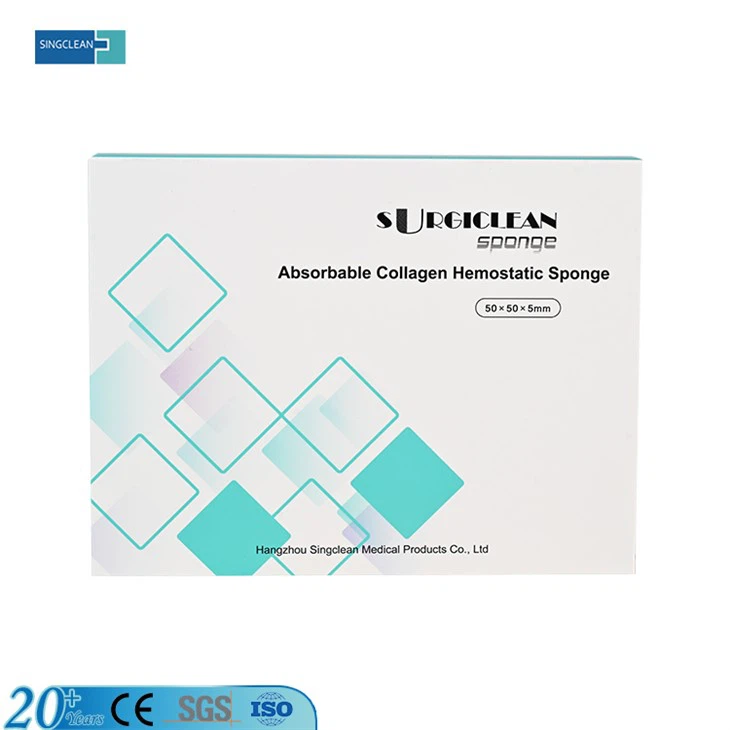
As a supplier of sponge absorbable hemostats, we are committed to providing high-quality products that meet the needs of healthcare providers and patients. If you are interested in learning more about our products or discussing their potential use in gynecological surgeries, please do not hesitate to contact us. We would be happy to provide you with more information and assist you in your procurement process.
References
- [Journal of Gynecologic Surgery study on hysterectomy and hemostats]
- [International Journal of Gynecology and Obstetrics study on myomectomy and hemostats]