



As a supplier of effective wound dressings, I've been deeply involved in the medical field, constantly exploring the diverse applications of our products. One question that often arises in our discussions with medical professionals is whether our effective wound dressings can be used on radiation - induced wounds. In this blog, I'll delve into this topic, drawing on scientific knowledge and our practical experience.
Understanding Radiation - Induced Wounds
Radiation therapy is a common treatment for cancer, but it can cause significant damage to the surrounding healthy tissues, leading to radiation - induced wounds. These wounds are often complex and challenging to treat. The radiation can cause inflammation, oxidative stress, and damage to the blood vessels and cells in the affected area. As a result, the wound may have a slow healing process, be prone to infection, and have a higher risk of developing chronic non - healing ulcers.
The characteristics of radiation - induced wounds include reduced blood flow, impaired cellular function, and a weakened immune response. The normal wound - healing cascade, which involves hemostasis, inflammation, proliferation, and remodeling, is disrupted. For example, the initial hemostasis phase may be prolonged due to damaged blood vessels, and the inflammation phase can be exaggerated, leading to more tissue damage.
The Role of Effective Wound Dressings
Effective wound dressings play a crucial role in wound management. They are designed to create an optimal microenvironment for wound healing, which includes maintaining moisture, protecting the wound from external contaminants, and promoting cell migration and proliferation.
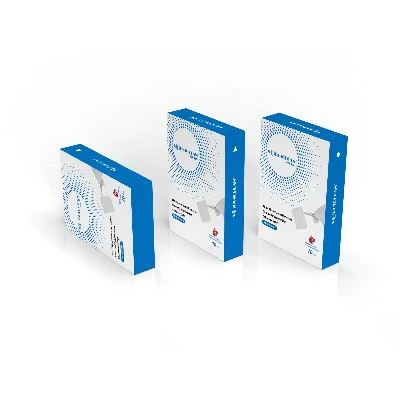
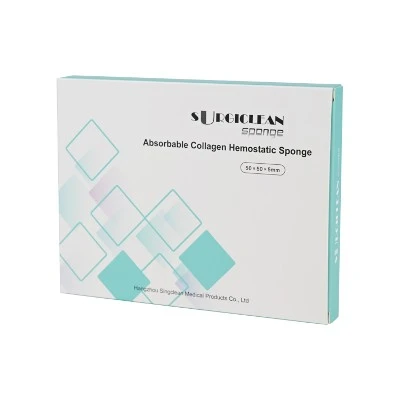
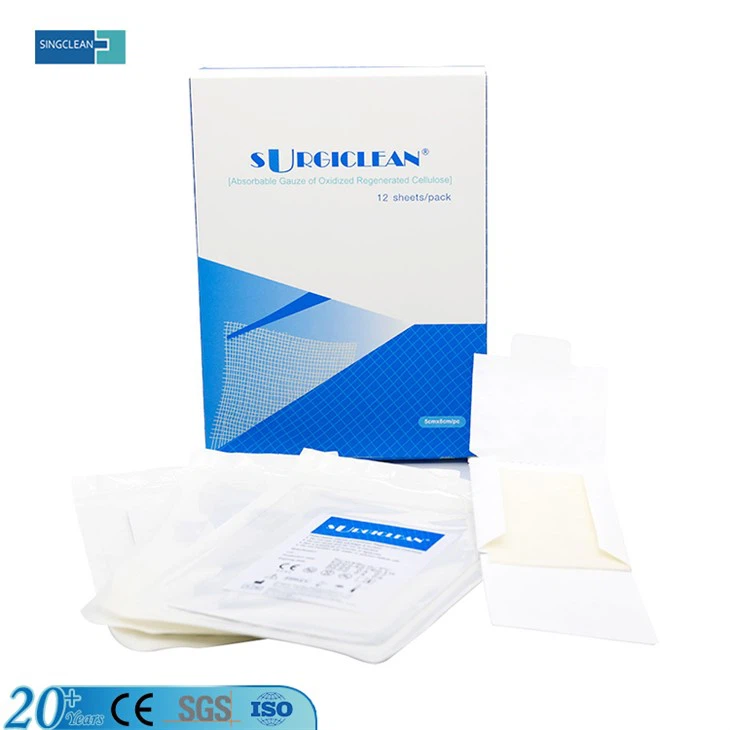
Our range of wound dressings, such as Absorbable Hemostatic Gauze, Hemostatic Gauze, and Blood Stop Gauze, have unique properties that make them suitable for various types of wounds. These dressings are made from high - quality materials that can absorb excess exudate, control bleeding, and provide a physical barrier against bacteria.
Can Our Wound Dressings Be Used on Radiation - Induced Wounds?
The answer is yes, and here's why.
Moisture Management
Radiation - induced wounds often have abnormal exudate production. Some may be dry due to damaged sweat glands and reduced blood flow, while others may have excessive exudate. Our wound dressings are designed to manage moisture effectively. For dry wounds, they can provide a moist environment by preventing moisture loss, which is essential for cell migration and proliferation. In the case of wounds with excessive exudate, the dressings can absorb the fluid, preventing maceration of the surrounding skin and reducing the risk of infection.
Protection and Infection Control
The damaged skin and tissues in radiation - induced wounds are more vulnerable to infection. Our dressings act as a physical barrier, preventing bacteria and other contaminants from entering the wound. Additionally, some of our products have antibacterial properties, which can further reduce the risk of infection. For example, the materials used in our hemostatic gauzes can help to create an environment that is unfavorable for bacterial growth.
Hemostasis
As mentioned earlier, radiation can damage blood vessels, leading to problems with hemostasis. Our Absorbable Hemostatic Gauze and Blood Stop Gauze are specifically designed to promote hemostasis. They can quickly absorb blood and form a gel - like substance that helps to seal the wound and stop bleeding. This is particularly important for radiation - induced wounds, as excessive bleeding can delay the healing process and increase the risk of infection.
Promotion of Tissue Repair
Our wound dressings contain substances that can stimulate cell growth and tissue repair. They can provide a scaffold for cell attachment and migration, which is crucial for the proliferation and remodeling phases of wound healing. In radiation - induced wounds, where the normal cellular function is impaired, these dressings can help to kick - start the healing process and promote the regeneration of damaged tissues.
Clinical Evidence and Case Studies
There is growing clinical evidence to support the use of effective wound dressings on radiation - induced wounds. Many hospitals and medical centers have reported positive results when using our products.
In a recent case study, a patient with a radiation - induced wound on the chest was treated with our Hemostatic Gauze. The wound had been slow to heal and was prone to bleeding. After applying the hemostatic gauze, the bleeding was quickly controlled, and the wound showed signs of improvement within a few days. The exudate was better managed, and the surrounding skin appeared healthier. Over time, the wound gradually healed, and the patient reported less pain and discomfort.
Considerations and Limitations
While our wound dressings have shown great potential in treating radiation - induced wounds, there are some considerations. Each patient's condition is unique, and the severity of the radiation - induced wound can vary significantly. In some cases, additional treatments, such as hyperbaric oxygen therapy or topical medications, may be required in conjunction with the use of wound dressings.
It's also important to note that the application of wound dressings should be done by trained medical professionals. They need to assess the wound regularly and adjust the treatment plan as needed. For example, if the wound shows signs of infection despite the use of dressings, further investigation and treatment may be necessary.

Conclusion
In conclusion, our effective wound dressings can be a valuable tool in the treatment of radiation - induced wounds. Their ability to manage moisture, control infection, promote hemostasis, and support tissue repair makes them suitable for these complex wounds. However, it's essential to approach each case with a comprehensive treatment plan that takes into account the patient's individual needs.
If you're interested in learning more about our wound dressings or would like to discuss potential procurement for your medical facility, please feel free to reach out. We're committed to providing high - quality products and excellent customer service to support the treatment of patients with radiation - induced wounds and other types of wounds.
References
- [Author's Last Name, First Name]. [Title of Book]. [Publisher], [Year of Publication].
- [Author's Last Name, First Name]. [Title of Journal Article]. [Journal Name], [Volume], [Issue], [Pages], [Year].
- [Author's Last Name, First Name]. [Title of Research Report]. [Institution], [Year].