


As a supplier of rapid clotting powder, I often receive inquiries from customers about the potential contraindications of using this product. In this blog post, I aim to provide a comprehensive overview of the topic, drawing on scientific research and industry knowledge to address common concerns and provide clear guidance.
Understanding Rapid Clotting Powder
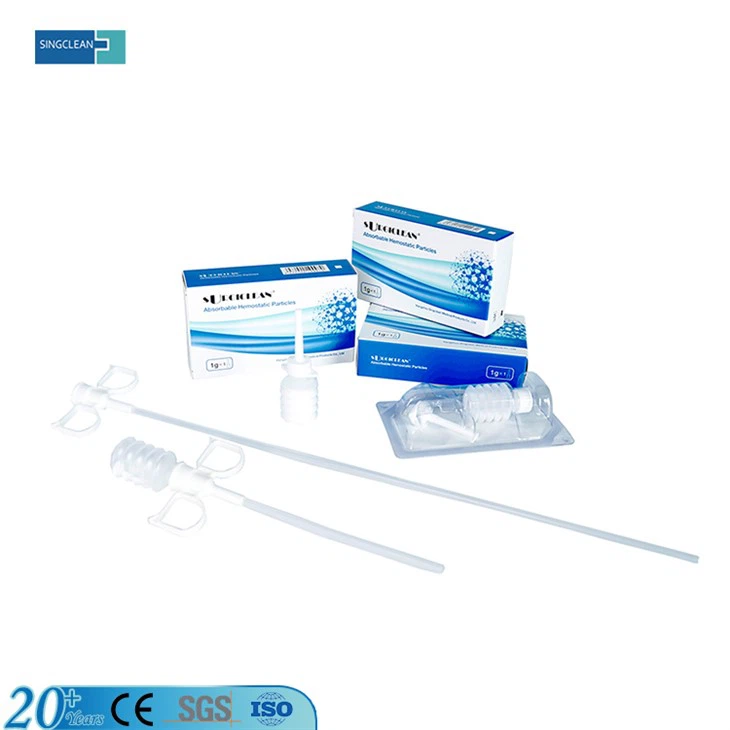
Rapid clotting powder is a type of hemostatic agent designed to promote blood clotting and stop bleeding quickly. It typically contains active ingredients that interact with the blood's clotting factors, accelerating the formation of a stable clot at the site of injury. These powders are commonly used in various medical and emergency settings, including surgical procedures, first aid, and wound care.

Common Uses of Rapid Clotting Powder
- Surgical Procedures: In the operating room, rapid clotting powder can be used to control bleeding during surgeries, reducing the need for sutures or other hemostatic techniques. It is particularly useful in procedures where precise hemostasis is required, such as in neurosurgery, cardiovascular surgery, and orthopedic surgery.
- First Aid: Rapid clotting powder is an essential component of first aid kits, providing a quick and effective way to stop bleeding in emergency situations. It can be used to treat minor cuts, abrasions, and lacerations, as well as more severe injuries such as gunshot wounds and stab wounds.
- Wound Care: For chronic wounds or wounds that are slow to heal, rapid clotting powder can help promote healing by creating a stable clot and preventing further bleeding. It can also reduce the risk of infection by protecting the wound from external contaminants.
Potential Contraindications
While rapid clotting powder is generally considered safe and effective, there are some potential contraindications that users should be aware of. These include:
- Allergic Reactions: Some individuals may be allergic to the active ingredients in rapid clotting powder, such as chitosan or collagen. Symptoms of an allergic reaction may include itching, swelling, redness, and difficulty breathing. If an allergic reaction occurs, the powder should be removed immediately, and medical attention should be sought.
- Underlying Medical Conditions: People with certain medical conditions, such as hemophilia or other bleeding disorders, may not be suitable candidates for using rapid clotting powder. These individuals have impaired clotting mechanisms, and the use of hemostatic agents may not be effective or may even cause further complications. It is important to consult with a healthcare professional before using rapid clotting powder if you have a pre-existing medical condition.
- Infection: Rapid clotting powder should not be used on infected wounds, as it may trap bacteria and other pathogens inside the wound, leading to further infection. If a wound shows signs of infection, such as redness, swelling, pain, or discharge, it should be cleaned and treated with appropriate antibiotics before using rapid clotting powder.
- Deep or Punctured Wounds: In cases of deep or punctured wounds, rapid clotting powder may not be sufficient to stop the bleeding. These types of wounds may require more advanced hemostatic techniques, such as sutures or the use of a tourniquet. It is important to seek medical attention immediately if you have a deep or punctured wound.
Precautions and Best Practices
To ensure the safe and effective use of rapid clotting powder, it is important to follow these precautions and best practices:

- Read the Instructions: Before using rapid clotting powder, carefully read the product instructions and follow them closely. Pay attention to the recommended dosage, application method, and any special precautions or warnings.
- Clean the Wound: Before applying rapid clotting powder, clean the wound thoroughly with mild soap and water or a sterile saline solution. This helps remove any dirt, debris, or bacteria from the wound, reducing the risk of infection.
- Apply the Powder Correctly: Apply the rapid clotting powder directly to the bleeding site, covering the wound completely. Press gently on the powder to ensure good contact with the blood and promote clot formation. Do not rub or massage the powder into the wound, as this may disrupt the clot.
- Monitor the Wound: After applying rapid clotting powder, monitor the wound closely for any signs of continued bleeding or infection. If the bleeding does not stop within a few minutes or if the wound shows signs of infection, seek medical attention immediately.
- Store the Powder Properly: Store rapid clotting powder in a cool, dry place, away from direct sunlight and moisture. Follow the manufacturer's instructions for storage and expiration dates.
Conclusion
Rapid clotting powder is a valuable tool for controlling bleeding and promoting wound healing in various medical and emergency settings. While it is generally safe and effective, it is important to be aware of the potential contraindications and to follow the recommended precautions and best practices to ensure its safe use. If you have any questions or concerns about using rapid clotting powder, consult with a healthcare professional or contact us for more information.
As a leading supplier of Surgical Hemostasis Agents, Haemostatic Powder, and Wound Clotting Powder, we are committed to providing high-quality products and excellent customer service. If you are interested in purchasing our rapid clotting powder or have any other inquiries, please feel free to contact us. We look forward to working with you to meet your hemostatic needs.
References
- Akl, E. A., et al. (2016). Antiplatelet therapy for preventing stroke in high-risk patients. Cochrane Database of Systematic Reviews, (3), CD000296.
- Guyatt, G. H., et al. (2012). Grading recommendations assessment, development, and evaluation: Going from evidence to recommendations. BMJ, 345, e5499.
- Hoffman, M., & Monroe, D. M., 3rd. (2001). A cell-based model of hemostasis. Thrombosis and Haemostasis, 85(6), 958-965.