




What Are Hemostatic Powders?
Hemostatic Powders play a crucial role in various medical scenarios, including surgical procedures, trauma emergencies, battlefield rescues, and endoscopic surgeries, where effective bleeding control is essential. Excessive bleeding can obscure the surgical field, prolong operation times, and complicate postoperative recovery. Hemostatic Powders address these challenges by effectively reducing bleeding, minimizing surgical risks, and enhancing the success rate of procedures. This article explores the different types of Hemostatic Powders available in the medical field.
Gelatin Hemostatic Powder
Gelatin hemostatic powder is a widely used absorbable hemostat known for its excellent hemostatic properties, biocompatibility, and biodegradability. Derived from animal collagen, it features a porous structure that absorbs water, concentrates coagulation factors, and forms a physical barrier to promote hemostasis. This type of powder is particularly suitable for use in neurosurgery, orthopedics, general surgery, obstetrics and gynecology, and dentistry.
Collagen Hemostatic Powder
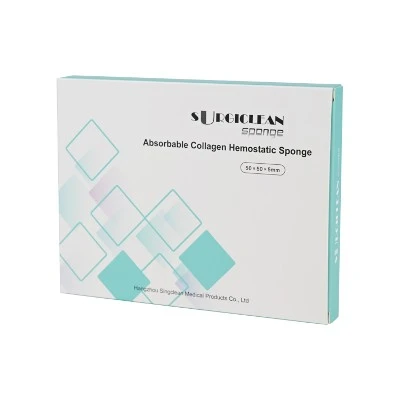
Similar to gelatin hemostatic powder, collagen hemostatic powder is also derived from animal collagen. It excels in promoting rapid clot formation by activating coagulation factor XII through its specific amino acid sequence, initiating the intrinsic coagulation pathway. Additionally, collagen provides a scaffold for cell growth, facilitating granulation tissue formation, angiogenesis, and wound healing. Over time, the body absorbs the collagen hemostatic powder, making it a safe and effective option.
Potato Starch Hemostatic Powder
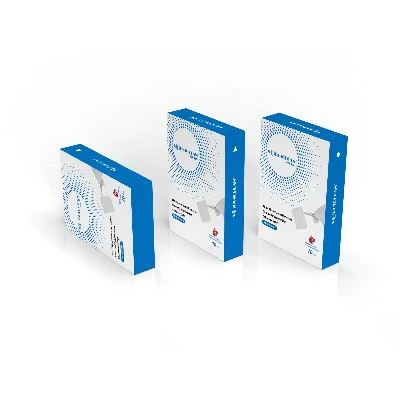
Potato starch hemostatic powder is extracted from potatoes, a widely available and cost-effective source. This environmentally friendly product is highly biocompatible and unlikely to trigger immune rejection or inflammatory responses. By absorbing water from the blood, it concentrates platelets and coagulation factors, thereby accelerating blood clotting. Products like Surgiclean® MPH Absorbable Hemostatic Particles, which are derived from potato starch, are used as adjunctive hemostatic devices in surgeries to control capillary, venous, and arteriolar bleeding when conventional methods are ineffective or impractical. Its safety, efficacy, and biocompatibility make it a reliable choice.

Chitosan Hemostatic Powder
Chitosan hemostatic powder is a natural substance derived from the shells of crustaceans, such as shrimp and crabs. Known for its excellent biocompatibility, it rarely causes rejection or inflammatory reactions. Over time, it is degraded by lysozyme into glucosamine, which participates in sugar metabolism. This type of powder is versatile, suitable for both surgical settings and emergency trauma care, and also promotes tissue repair.
Kaolin Hemostatic Powder
Kaolin, a clay mineral, is another material commonly used in hemostatic products. It triggers rapid clot formation by activating clotting factors and is particularly effective in controlling arterial bleeding and severe traumatic bleeding within a short time frame. However, kaolin has lower biocompatibility compared to other options and cannot be absorbed by the body. As a result, it requires post-surgical removal, which limits its application in certain scenarios.
Absorbable vs. Non-Absorbable Hemostatic Powders
The five materials above split into two groups, and the difference decides whether a second procedure is needed to remove the agent. Gelatin, collagen, potato starch and chitosan powders are absorbable: the body breaks them down over time, so nothing has to be retrieved after surgery. Kaolin is not absorbed and must be removed post-operatively, which limits where it can be used. For procedures where leaving a foreign material behind is not acceptable - or where a follow-up removal step is impractical - an absorbable powder is the appropriate choice.
| Material | Source | Absorbable | How It Works | Typical Use |
|---|---|---|---|---|
| Gelatin | Animal collagen | Yes | Absorbs water, concentrates coagulation factors, forms a physical barrier | Neurosurgery, orthopedics, general surgery, obstetrics and gynecology, dentistry |
| Collagen | Animal collagen | Yes | Activates coagulation factor XII via its amino acid sequence; provides a scaffold for cell growth | Rapid clot formation; granulation tissue formation and wound healing |
| Potato starch | Potato | Yes | Absorbs water from the blood, concentrating platelets and coagulation factors | Adjunctive control of capillary, venous and arteriolar bleeding |
| Chitosan | Crustacean shells | Yes (degraded by lysozyme into glucosamine) | Highly biocompatible; rare rejection or inflammatory reaction | Surgical settings and emergency trauma care; tissue repair |
| Kaolin | Clay mineral | No - requires post-surgical removal | Activates clotting factors for rapid clot formation | Arterial bleeding and severe traumatic bleeding |
How to Choose the Right Hemostatic Powder
Selection comes down to three questions: does the material need to be absorbed, how fast must bleeding be controlled, and what does the procedure site allow. For arterial or severe traumatic bleeding where speed is the priority, kaolin's rapid action is the trade-off against its non-absorbable nature. For routine surgical use across neurosurgery, orthopedics, general surgery or dentistry, absorbable gelatin and collagen powders leave no material behind. Potato starch offers the same absorbable, biocompatible profile from a widely available, cost-effective source, which is why it is the material behind Surgiclean® MPH Absorbable Hemostatic Particles. For a deeper checklist of the technical indicators involved, see Factors to consider for selecting an absorbable hemostatic agent.
Conclusion
The continuous advancements in materials science and medical technology are driving the development of more effective and versatile absorbable hemostatic powders. Each type of Hemostatic Powder offers unique advantages, making it possible to select the most appropriate option based on specific clinical needs. In the future, these hemostatic solutions will continue to play a vital role in the medical field, contributing to improved patient outcomes, faster recovery times, and ultimately, saving lives.