


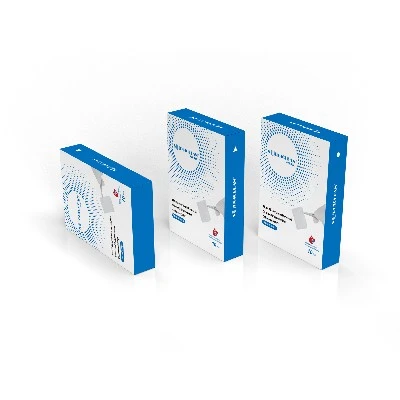
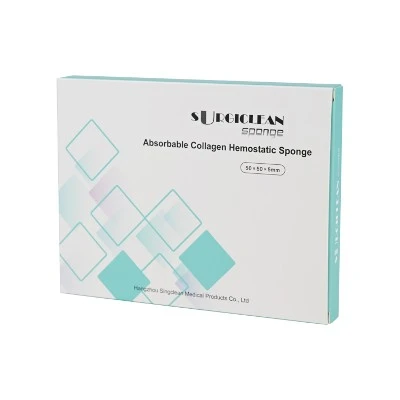

The shelf-life of an effective wound dressing is a critical factor that impacts its quality, safety, and efficacy. As a supplier of high-quality wound dressings, understanding and communicating this aspect is essential for both healthcare providers and end-users. In this blog, we will explore what determines the shelf-life of wound dressings, why it matters, and how to ensure you're getting the most out of your products.

What Determines the Shelf-Life of Wound Dressings?
Several factors contribute to the shelf-life of wound dressings. One of the primary factors is the material used in the dressing. Different materials have varying degrees of stability over time. For example, natural materials such as cotton may degrade more quickly compared to synthetic polymers. Synthetic materials are often engineered to have better resistance to environmental factors like moisture, oxygen, and light, which can extend their shelf-life.
Another crucial factor is the manufacturing process. Proper sterilization and packaging are vital to prevent contamination and maintain the integrity of the dressing. Sterilization methods, such as gamma irradiation or ethylene oxide gas, can effectively kill microorganisms but may also have an impact on the material properties if not carefully controlled. Packaging materials should provide a barrier against external elements, protecting the dressing from moisture, air, and light. For instance, a well-sealed foil pouch can significantly extend the shelf-life of a wound dressing by preventing oxygen and moisture from reaching the product.
The presence of active ingredients in the wound dressing also plays a role in determining its shelf-life. Some dressings contain antibiotics, antiseptics, or growth factors to promote healing. These active ingredients may have a limited stability over time, and their effectiveness can decline as they degrade. The storage conditions, such as temperature and humidity, can accelerate or slow down this degradation process. For example, storing a dressing with an active ingredient at a high temperature may cause the ingredient to break down more rapidly, reducing the dressing's efficacy.
Why Does Shelf-Life Matter?
The shelf-life of a wound dressing is directly related to its safety and effectiveness. Using a dressing that has expired can pose significant risks to patients. Expired dressings may not provide the necessary protection against infection, as the antimicrobial properties of the dressing may have diminished. They may also lose their ability to absorb exudate or maintain a moist wound environment, which is crucial for optimal wound healing.
From a regulatory perspective, healthcare providers are required to use products within their specified shelf-life. Failure to do so can result in legal and ethical issues. In addition, using expired products can lead to poor patient outcomes, which can damage the reputation of healthcare facilities and suppliers.
For suppliers, understanding and managing the shelf-life of wound dressings is essential for maintaining customer satisfaction. Customers expect products to be effective and safe, and providing products with a reasonable shelf-life is a key part of meeting these expectations. By ensuring that our wound dressings have an appropriate shelf-life, we can build trust with our customers and establish a long-term relationship.
Shelf-Life of Different Types of Wound Dressings
Oxidized Cellulose Hemostatic Agent
Oxidized cellulose hemostatic agents are commonly used to control bleeding in surgical and trauma settings. These dressings work by promoting blood clotting and can be absorbed by the body over time. The shelf-life of an Oxidized Cellulose Hemostatic Agent typically ranges from 2 to 3 years when stored under proper conditions. The material itself is relatively stable, but the presence of moisture can cause it to degrade more quickly. Therefore, it is important to store these dressings in a dry environment at room temperature.
Absorbable Hemostatic Dressing
Absorbable hemostatic dressings are designed to stop bleeding and are often used in surgical procedures. These dressings are made from materials that can be absorbed by the body, eliminating the need for removal. The shelf-life of an Absorbable Hemostatic Dressing can vary depending on the specific material and manufacturing process. Generally, they have a shelf-life of 2 to 5 years when stored at the recommended temperature and humidity. Some absorbable dressings may contain active ingredients, such as thrombin, which can affect their stability. It is important to follow the manufacturer's instructions for storage and use to ensure the dressing remains effective.
Oxidized Cellulose Dressing
Oxidized cellulose dressings are used for a variety of wound types, including surgical wounds, burns, and chronic wounds. These dressings have antimicrobial properties and can help promote wound healing. The shelf-life of an Oxidized Cellulose Dressing is typically around 2 to 3 years. Similar to other wound dressings, proper storage is crucial to maintain its effectiveness. Exposure to light and moisture can cause the dressing to lose its antimicrobial activity and structural integrity.
Ensuring Optimal Shelf-Life
To ensure that our wound dressings have the longest possible shelf-life, we follow strict quality control measures throughout the manufacturing process. We use high-quality materials and state-of-the-art manufacturing techniques to produce dressings that are stable and effective. Our packaging is designed to provide maximum protection against external elements, and we conduct regular stability testing to monitor the performance of our products over time.


We also provide clear instructions to our customers on how to store and use our wound dressings. It is important for healthcare providers and end-users to store the dressings at the recommended temperature and humidity. Most wound dressings should be stored at room temperature, away from direct sunlight and moisture. In addition, it is important to check the expiration date before using a dressing and to discard any expired products.

Contact Us for Wound Dressing Procurement
Choosing a wound dressing involves more than comparing expiration dates. Material composition, sterility, absorbability, and clinical application all influence product performance and procurement decisions. Explore our comprehensive Surgical Hemostasis Guide to compare different hemostatic materials, or browse our Absorbable Hemostatic Gauze solutions to find products suitable for hospitals, distributors, and OEM projects.
FAQ
Q: How should sterile wound dressings be stored?
A: Store wound dressings in their original sealed packaging in a cool, dry environment away from direct sunlight, excessive humidity, and temperature fluctuations to help maintain sterility throughout the labeled shelf life.
Q: Can an expired wound dressing still be used?
A: Healthcare providers should follow the manufacturer's expiration date. Once a sterile wound dressing has expired, the manufacturer can no longer guarantee its sterility or intended performance, even if the packaging appears intact.
Q: What affects the shelf life of absorbable hemostatic dressings?
A: Material composition, sterilization method, packaging quality, storage temperature, humidity, and exposure to light all influence product stability and shelf life.
Q: Do absorbable hemostatic products have the same shelf life?
A: No. Shelf life varies depending on the material. ORC, gelatin, collagen, and polysaccharide-based hemostatic products each have different stability characteristics and manufacturer-validated expiration periods.
Q: Why is packaging important for sterile wound dressings?
A: Sterile packaging protects wound dressings from moisture, microorganisms, and environmental contamination. Once the sterile barrier is compromised, the product should no longer be considered sterile, regardless of the printed expiration date.
References
- Ratner, B. D., Hoffman, A. S., Schoen, F. J., & Lemons, J. E. (Eds.). (2004). Biomaterials science: An introduction to materials in medicine. Elsevier.
- Lyman, D. J. (1972). The effects of radiation on polymers. Academic Press.
- Wound Healing Society. (2019). Best practice guidelines for wound care.