


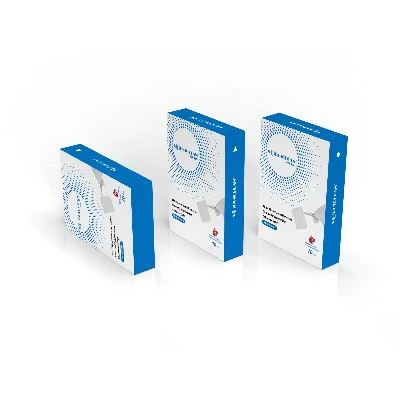
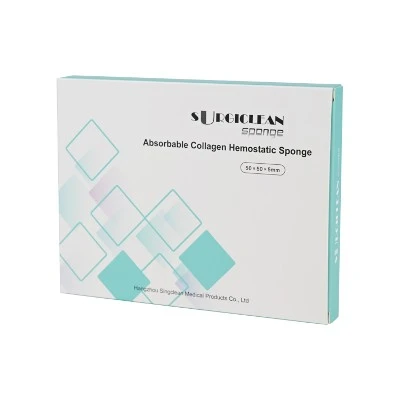

As a supplier of effective clotting gauze, I often encounter inquiries regarding the electrical conductivity of this crucial medical product. In this blog, I aim to delve into the topic, exploring what electrical conductivity means in the context of clotting gauze and its implications for the medical field.
Understanding Electrical Conductivity
Electrical conductivity is a measure of a material's ability to conduct an electric current. It is determined by the presence of free electrons or ions within the material that can move and carry an electrical charge. In general, metals are excellent conductors of electricity due to the abundance of free electrons in their atomic structure. On the other hand, insulators, such as rubber and plastic, have very low electrical conductivity because they lack free charge carriers.
Electrical Conductivity of Clotting Gauze
Clotting gauze is primarily designed to promote hemostasis, the process of stopping bleeding. It achieves this through various mechanisms, including physical absorption of blood, activation of the coagulation cascade, and formation of a stable clot. When it comes to electrical conductivity, clotting gauze is typically considered to be a poor conductor.
The main components of clotting gauze are usually natural or synthetic fibers, such as cotton, rayon, or oxidized cellulose. These materials do not have a significant number of free electrons or ions, which means they do not readily allow the flow of electric current. As a result, clotting gauze acts as an insulator in electrical terms.
Why Electrical Conductivity Matters in Medical Applications
While clotting gauze is not intended to be an electrical conductor, understanding its electrical properties can be important in certain medical scenarios. For example, in some surgical procedures, electrical equipment may be used in close proximity to the wound where the clotting gauze is applied. If the gauze were to have a high electrical conductivity, it could potentially interfere with the proper functioning of the electrical devices or pose a risk of electrical shock to the patient or medical staff.
On the other hand, the insulating properties of clotting gauze can be advantageous in these situations. It helps to prevent electrical interference and ensures the safety of both the patient and the medical team. Additionally, the non - conductive nature of the gauze does not disrupt the normal physiological processes in the body, which rely on the proper balance of electrical signals for cell function and communication.
Types of Effective Clotting Gauze and Their Electrical Properties
There are several types of effective clotting gauze available on the market, each with its own unique composition and properties. Let's take a closer look at some common types:
Hemostatic Gauze Pad
Hemostatic gauze pads are designed to quickly absorb blood and promote clotting. They are often made from a combination of natural and synthetic fibers. The Hemostatic Gauze Pad is a popular choice among medical professionals due to its high absorbency and effectiveness in controlling bleeding. These pads have a low electrical conductivity, which makes them safe to use in various medical settings.
Oxidized Cellulose Dressing
Oxidized cellulose dressings are another type of clotting gauze. They work by interacting with the blood to form a gel - like substance that helps to seal the wound and stop bleeding. The Oxidized Cellulose Dressing is known for its biocompatibility and ability to promote tissue healing. Similar to other clotting gauzes, oxidized cellulose dressings have a low electrical conductivity, ensuring their safety in the presence of electrical equipment.
Oxidized Cellulose Hemostatic Agent
Oxidized cellulose hemostatic agents are often used in more severe bleeding situations. They can be in the form of powders, sponges, or sheets. The Oxidized Cellulose Hemostatic Agent works by providing a surface for platelet adhesion and activation, leading to the formation of a clot. These agents also have a low electrical conductivity, making them suitable for use in a wide range of medical procedures.
Factors That Can Affect the Electrical Conductivity of Clotting Gauze
Although clotting gauze is generally a poor conductor, there are some factors that can potentially affect its electrical conductivity:
Moisture
Moisture can increase the electrical conductivity of clotting gauze. When the gauze is wet with blood or other bodily fluids, the ions present in the fluids can act as charge carriers, allowing a small amount of electric current to flow. However, even in a wet state, the conductivity of clotting gauze remains relatively low compared to true conductors.


Contaminants
The presence of certain contaminants on the gauze can also affect its electrical properties. For example, if the gauze is contaminated with salts or other conductive substances, it may have a slightly higher electrical conductivity. Medical manufacturers take great care to ensure that clotting gauze is free from contaminants that could compromise its safety or performance.
Importance of Quality and Safety in Clotting Gauze
As a supplier of effective clotting gauze, I understand the critical importance of quality and safety in medical products. Our clotting gauze undergoes rigorous testing to ensure that it meets the highest standards of performance and electrical safety. We use only the finest materials and adhere to strict manufacturing processes to produce gauze that is reliable, effective, and safe for use in medical settings.
Conclusion
In conclusion, the electrical conductivity of effective clotting gauze is typically low, making it a poor conductor of electricity. This property is essential for ensuring the safety of patients and medical staff in the presence of electrical equipment. Different types of clotting gauze, such as hemostatic gauze pads, oxidized cellulose dressings, and oxidized cellulose hemostatic agents, all share this low - conductivity characteristic.
If you are in the medical field and are interested in purchasing high - quality clotting gauze, I encourage you to reach out to us for more information and to discuss your specific needs. We are committed to providing the best products and services to help you in your medical practice.
References
- "Medical Textbook on Hemostasis and Wound Care"
- Research papers on the properties of clotting gauze materials