



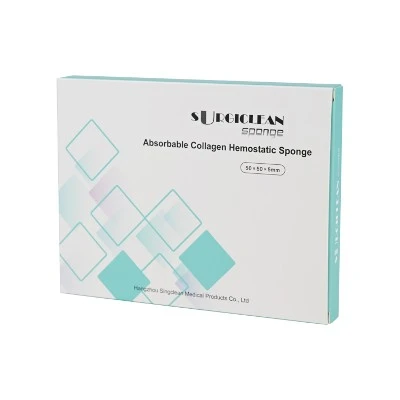

Wound healing is a complex and dynamic process that involves a series of overlapping phases, including hemostasis, inflammation, proliferation, and remodeling. Proteases play a crucial role in this process, as they are responsible for the degradation of extracellular matrix proteins, cell migration, and angiogenesis. However, an imbalance in protease activity can lead to impaired wound healing, characterized by chronic inflammation, delayed re - epithelialization, and excessive scar formation. Wound packing gauze, a commonly used wound care product, can have significant effects on wound proteases, which in turn influence the wound healing process. As a wound packing gauze supplier, understanding these effects is essential for providing effective wound care solutions.
The Role of Proteases in Wound Healing
Proteases are enzymes that break down proteins. In the context of wound healing, proteases such as matrix metalloproteinases (MMPs), serine proteases, and cysteine proteases are involved in various aspects of the process. During the inflammatory phase, proteases help to clear debris and bacteria from the wound site. They also facilitate the migration of immune cells, such as neutrophils and macrophages, to the wound. In the proliferative phase, proteases are required for cell migration, angiogenesis, and the remodeling of the extracellular matrix.
However, an over - expression or dysregulation of proteases can be detrimental to wound healing. For example, elevated levels of MMPs in chronic wounds can lead to the degradation of growth factors, cytokines, and extracellular matrix proteins, preventing proper cell adhesion and migration. This can result in a non - healing wound state, where the normal healing process is disrupted.
Effects of Wound Packing Gauze on Wound Proteases
Absorption of Proteases
One of the primary effects of wound packing gauze is its ability to absorb wound exudate, which contains proteases. By removing excess exudate, the gauze can help to reduce the concentration of proteases in the wound environment. This is particularly important in chronic wounds, where high levels of proteases can impede healing. Our Hemostatic Gauze Dressing is designed to efficiently absorb exudate, thereby reducing the protease burden in the wound. The gauze's porous structure allows it to trap proteases and other debris, preventing them from causing further damage to the wound tissue.
Protection of Growth Factors
Wound packing gauze can also protect growth factors from protease degradation. Growth factors are essential for cell proliferation, migration, and angiogenesis during wound healing. In the presence of high protease activity, growth factors can be rapidly degraded, limiting their effectiveness. Our Blood Stop Gauze provides a physical barrier that can shield growth factors from proteolytic attack. By protecting growth factors, the gauze helps to maintain a conducive environment for wound healing.
Clinical Implications
The effects of wound packing gauze on wound proteases have significant clinical implications. In chronic wounds, such as diabetic foot ulcers and pressure ulcers, the use of appropriate wound packing gauze can help to control protease activity and promote healing. By reducing the protease burden, the gauze can prevent the degradation of growth factors and extracellular matrix proteins, allowing for the normal progression of the wound healing process.
In acute wounds, wound packing gauze can also play a role in hemostasis and preventing infection. By absorbing exudate and regulating protease activity, the gauze can create a clean and stable wound environment, which is essential for proper healing.
Choosing the Right Wound Packing Gauze
When selecting a wound packing gauze, it is important to consider its effects on wound proteases. Different types of gauze have different properties, and not all gauze are equally effective in regulating protease activity. Factors to consider include the gauze's absorbency, its ability to interact with proteases, and its compatibility with the wound environment.
As a wound packing gauze supplier, we offer a range of products that are designed to address the specific needs of different types of wounds. Our products are carefully formulated to optimize the effects on wound proteases, ensuring that they promote efficient and effective wound healing.
Conclusion
Wound packing gauze can have a profound impact on wound proteases, which are critical for the wound healing process. By absorbing proteases, regulating their activity, and protecting growth factors, wound packing gauze can create a favorable environment for wound healing. As a wound packing gauze supplier, we are committed to providing high - quality products that are designed to address the challenges associated with protease dysregulation in wounds.


If you are interested in learning more about our wound packing gauze products or would like to discuss your specific wound care needs, we invite you to contact us for a procurement consultation. We look forward to working with you to improve wound healing outcomes.
References
- Singer AJ, Clark RAF. Cutaneous wound healing. N Engl J Med. 1999;341(10):738 - 746.
- Trengove NJ, Stacey MC, MacAuley S, et al. Analysis of the acute and chronic wound environments: the role of proteases and their inhibitors. Wound Repair Regen. 2000;8(6):442 - 452.
- Schultz GS, Sibbald RG, Falanga V, et al. Wound bed preparation: a systematic approach to wound management. Wound Repair Regen. 2003;11(Suppl 1):S1 - S28.