


Hey there! As a supplier of effective wound dressings, I've seen firsthand the ups and downs in this industry. Developing top - notch wound dressings ain't no walk in the park. There are tons of challenges that we face on a daily basis, and I'm gonna break them down for you.
1. Meeting Diverse Wound Needs
Wounds come in all shapes and sizes, from minor cuts and scrapes to deep, chronic ulcers. Each type of wound has its own set of requirements. For example, a simple abrasion might just need a basic dressing to keep it clean and protected from dirt and bacteria. On the other hand, a diabetic foot ulcer needs a dressing that can handle excessive moisture, promote tissue growth, and prevent infection.
We're constantly working to create dressings that can adapt to these different situations. It's like trying to design a one - size - fits - all outfit, but for wounds! And let me tell you, it's not easy. Sometimes, we have to use different materials and technologies for each type of wound, which means more research, more development, and more costs.
2. Balancing Absorbency and Moisture Retention
One of the key functions of a wound dressing is to manage moisture. Too much moisture around a wound can lead to maceration, which softens the skin and makes it more prone to infection. But if the dressing absorbs too much moisture, the wound can dry out, and that slows down the healing process.
It's a real tightrope act. We're always looking for the perfect balance. We test different materials, like hydrogels and foams, to see how well they can absorb exudate (that's the fluid that comes out of a wound) without letting the wound dry up. For instance, our Hemostatic Gauze Pad is designed to have just the right amount of absorbency. It can soak up a fair amount of blood and other fluids while still maintaining a moist environment that's conducive to healing.
3. Ensuring Biocompatibility
The human body is a pretty picky customer. It doesn't like foreign objects that don't play nice. That's why biocompatibility is such a big deal when it comes to wound dressings. A dressing has to be made of materials that the body won't reject or have an allergic reaction to.
We have to do a lot of testing to make sure our dressings are safe for use. We check for things like cytotoxicity (whether the materials are toxic to cells), hemocompatibility (how well the dressing interacts with blood), and tissue compatibility. It's a long and expensive process, but it's non - negotiable. We can't risk using materials that could cause more harm than good. Our Blood Stop Gauze has been thoroughly tested to ensure it's biocompatible, so you can trust it to be gentle on your skin and effective at stopping bleeding.
4. Cost - effectiveness
Let's face it, developing and manufacturing high - quality wound dressings is expensive. There's the cost of research, the cost of materials, and the cost of testing. But at the same time, we know that patients and healthcare providers are looking for affordable options.
We're always trying to find ways to cut costs without sacrificing quality. That might mean finding more cost - effective materials or streamlining our manufacturing processes. It's a constant battle, but we believe that everyone should have access to effective wound dressings, regardless of their budget.
5. Antimicrobial Resistance
Infections are a major concern when it comes to wound healing. And with the rise of antimicrobial resistance, it's getting harder and harder to fight off those pesky bacteria.
We're looking into new ways to incorporate antimicrobial properties into our dressings. Some of the traditional methods, like using antibiotics, are becoming less effective because bacteria are evolving to resist them. So, we're exploring natural alternatives, like honey and silver nanoparticles. Our Hemostatic Gauze Dressing is being developed with some of these new antimicrobial technologies to help prevent infections and speed up the healing process.
6. Regulatory Hurdles
The wound dressing industry is highly regulated, and for good reason. We have to meet a whole bunch of standards and requirements set by regulatory bodies like the FDA in the United States.
These regulations are there to protect patients, but they can also be a real headache for us. We have to go through a long and complex approval process before we can bring a new dressing to market. There are strict rules about labeling, manufacturing practices, and clinical trials. It takes a lot of time and resources to navigate these regulatory waters, but it's all part of making sure that our products are safe and effective.
7. Staying Ahead of the Competition
The wound dressing market is super competitive. There are a lot of other suppliers out there, all trying to come up with the next best thing.
We have to be constantly innovating to stay ahead. That means keeping an eye on the latest research, collaborating with experts in the field, and investing in new technologies. We can't just rest on our laurels and expect to keep our customers. We have to offer something better, something different, and something that solves their problems more effectively.
Conclusion
Developing effective wound dressings is a challenging but rewarding journey. We face a whole host of issues, from meeting diverse wound needs to dealing with regulatory hurdles. But despite these challenges, we're committed to providing high - quality, affordable, and innovative wound dressings.

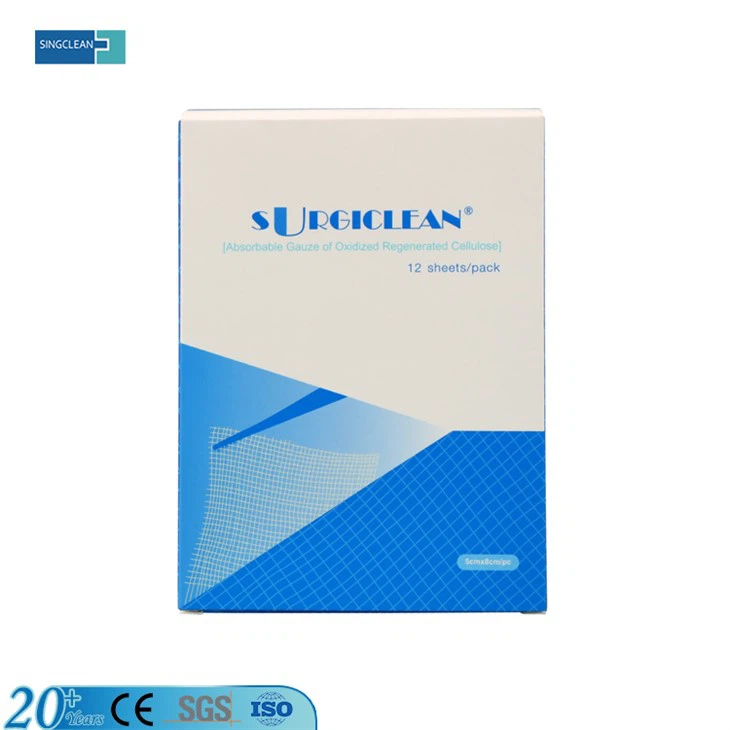
If you're in the market for wound dressings, whether you're a healthcare provider or an individual looking for a reliable product, we'd love to talk to you. We have a range of products, like our Hemostatic Gauze Pad, Blood Stop Gauze, and Hemostatic Gauze Dressing, that are designed to meet your needs. Contact us to start a procurement discussion and see how we can help you with your wound care requirements.
References
- Brown, R. A., & Cooper, D. M. (2018). Wound management: Moisture balance and dressing selection. Journal of Wound Care, 27(1), S3 - S10.
- Ratner, B. D., Hoffman, A. S., Schoen, F. J., & Lemons, J. E. (2012). Biomaterials science: An introduction to materials in medicine. Academic Press.
- World Health Organization. (2019). Global action plan on antimicrobial resistance.