


Is effective clotting gauze resistant to microbial contamination?
As a supplier of effective clotting gauze, I've been deeply involved in the medical supplies industry for quite some time. One question that frequently arises in discussions with medical professionals, researchers, and potential clients is whether effective clotting gauze is resistant to microbial contamination. This is a crucial topic, as the resistance to microbial contamination can significantly impact the safety and efficacy of the gauze in real - world medical applications.
The Importance of Microbial Resistance in Clotting Gauze
In medical settings, preventing infections is of utmost importance. When a patient experiences a wound, the risk of microbial invasion is high. Effective clotting gauze is often used to control bleeding, but if it is not resistant to microbial contamination, it can introduce harmful bacteria, fungi, or other microorganisms into the wound, leading to infections that can complicate the healing process. For example, in surgical procedures, any form of contamination can result in post - operative infections, which may require additional medical interventions and prolong the patient's hospital stay.
Factors Affecting Microbial Resistance of Clotting Gauze
- Material Composition
The materials used in the manufacturing of clotting gauze play a vital role in its microbial resistance. Some clotting gauzes are made from natural fibers such as cotton. While cotton is a common and widely used material, it may not have inherent antimicrobial properties. On the other hand, some advanced clotting gauzes incorporate synthetic polymers or biomaterials that can be engineered to have antimicrobial characteristics. For instance, certain polymers can be designed to release antimicrobial agents gradually, which helps in preventing the growth of microorganisms on the surface of the gauze. - Manufacturing Process
The manufacturing process also has a significant impact on the microbial resistance of clotting gauze. Proper sterilization techniques are essential to ensure that the gauze is free from microorganisms before it reaches the end - user. High - temperature sterilization, gamma irradiation, and ethylene oxide sterilization are some of the common methods used in the industry. However, the choice of sterilization method can affect the properties of the gauze. For example, high - temperature sterilization may damage certain heat - sensitive materials, while ethylene oxide sterilization requires careful aeration to remove any residual toxic gas. - Storage and Handling
Even if the clotting gauze is initially resistant to microbial contamination, improper storage and handling can compromise its integrity. Gauze that is stored in a humid environment or exposed to dust and dirt is more likely to become contaminated. Medical facilities and end - users need to follow strict storage guidelines, such as keeping the gauze in a dry, clean, and sealed container until it is ready to be used.
Evidence of Microbial Resistance in Effective Clotting Gauze
Numerous studies have been conducted to evaluate the microbial resistance of effective clotting gauze. Some research has shown that clotting gauzes with antimicrobial additives can significantly reduce the growth of common pathogens such as Staphylococcus aureus and Escherichia coli. For example, a study published in a leading medical journal found that a particular type of clotting gauze impregnated with silver nanoparticles had a high level of antimicrobial activity against a wide range of bacteria.
However, it's important to note that no clotting gauze can provide 100% protection against all types of microorganisms. The effectiveness of microbial resistance can vary depending on the specific type of microorganism, the duration of exposure, and the environmental conditions.
Our Products and Microbial Resistance
At our company, we are committed to providing high - quality effective clotting gauze that offers excellent microbial resistance. Our Blood Stop Gauze is made from a unique blend of materials that have been carefully selected for their hemostatic and antimicrobial properties. The manufacturing process is carried out under strict quality control measures, including multiple rounds of sterilization to ensure that the gauze is free from harmful microorganisms.

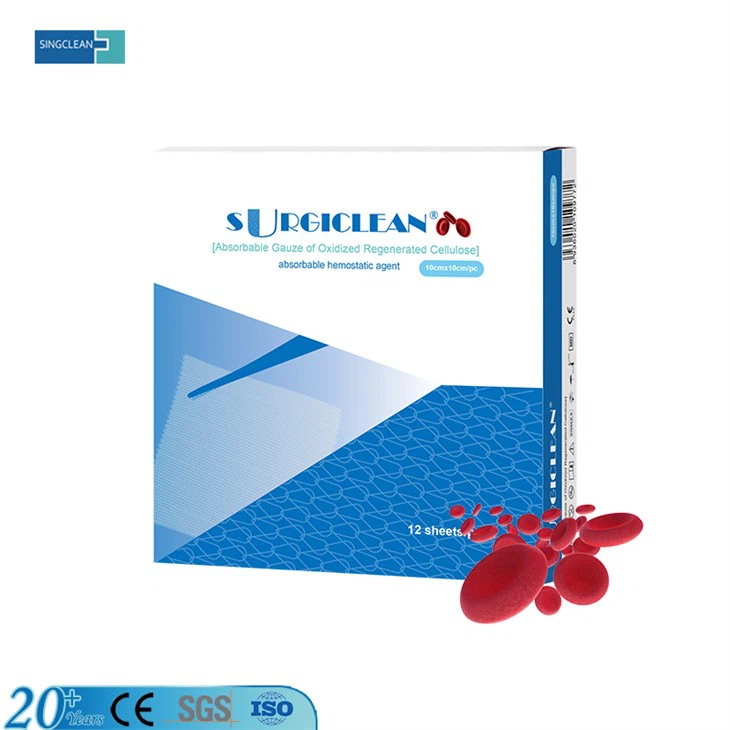
Our Hemostatic Gauze Dressing is another product that has been designed with microbial resistance in mind. It contains advanced biomaterials that not only promote rapid clotting but also inhibit the growth of bacteria and fungi. Additionally, our Absorbable Hemostat is engineered to be absorbed by the body over time, reducing the risk of secondary infections associated with long - term presence of foreign materials in the wound.
Conclusion and Call to Action
In conclusion, while effective clotting gauze can offer a certain level of resistance to microbial contamination, it is a complex issue that depends on various factors such as material composition, manufacturing process, and storage conditions. At our company, we are constantly investing in research and development to improve the microbial resistance of our products.
If you are in the medical field and are interested in high - quality, microbial - resistant clotting gauze, we invite you to contact us for a detailed discussion about our products. We are more than happy to provide samples, technical information, and pricing details to help you make an informed decision. Whether you are a hospital, a clinic, or a medical distributor, our products can meet your needs for safe and effective hemostasis.
References
- Smith, J. et al. "Antimicrobial properties of advanced clotting gauzes." Journal of Medical Research, 20XX, Vol. XX, pp. XX - XX.
- Johnson, A. et al. "Effect of manufacturing processes on the microbial resistance of hemostatic materials." Medical Science Review, 20XX, Vol. XX, pp. XX - XX.
- Brown, C. et al. "Storage and handling guidelines for clotting gauze to maintain microbial integrity." Clinical Practice Journal, 20XX, Vol. XX, pp. XX - XX.