


As a seasoned supplier in the field of effective gauze dressing, I've often encountered inquiries from medical professionals, researchers, and even end - users about whether effective gauze dressing changes color during use. This question is not only relevant but also crucial in understanding the functionality and reliability of our products. In this blog, I'll delve into the science behind color changes in gauze dressings, explore the factors that influence them, and share insights based on our extensive experience in the industry.
Understanding the Basics of Effective Gauze Dressing
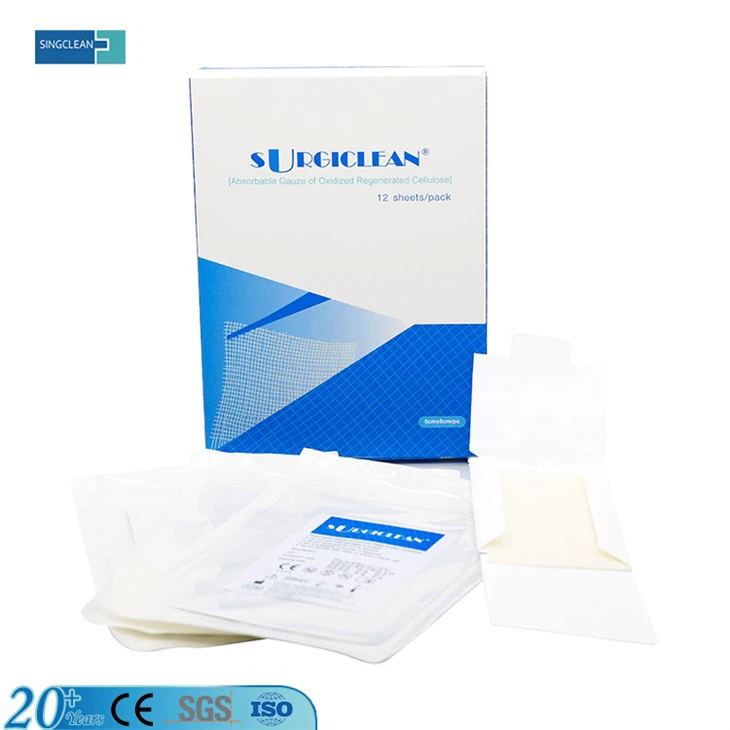
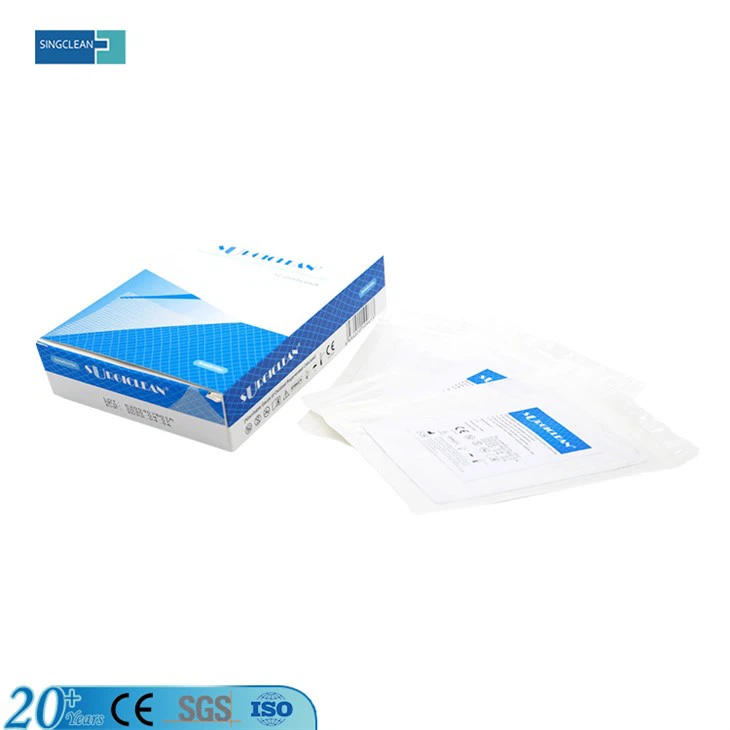
Before we discuss color changes, let's briefly understand what effective gauze dressing is. Our products fall into several categories, like Absorbable Hemostatic Dressing, Hemostatic Gauze, and Hemostatic Dressing. These dressings are designed to serve multiple purposes, including controlling bleeding, protecting wounds from external contaminants, and promoting the natural healing process.
The materials used in our effective gauze dressings are carefully selected for their biocompatibility, absorbency, and antimicrobial properties. For instance, some of our hemostatic dressings contain agents that interact with blood components to accelerate clot formation. Others are made from materials that can absorb a large volume of exudate, which is the fluid that oozes from a wound during the healing process.
Scientific Reasons for Color Changes
One of the most common scenarios where color changes occur is when the gauze dressing comes into contact with blood. Blood contains various components, such as red blood cells, white blood cells, platelets, and plasma. When blood is exposed to the gauze, the dressing can absorb the fluid portion. The red color due to hemoglobin in red blood cells can cause the gauze to turn red or a rust - like color. This is a normal and expected process as the dressing is functioning as intended, absorbing the blood and facilitating hemostasis.
In addition to blood, the presence of wound exudate can also lead to color changes. Wound exudate is a complex mixture of water, proteins, electrolytes, and inflammatory mediators. Depending on the stage of wound healing, the exudate can vary in color and consistency. During the inflammatory phase, the exudate may be more serous (clear and thin) and may not cause a significant color change in the dressing. However, as the wound progresses to the proliferative and maturation phases, the exudate may become thicker and contain more cellular debris, which can cause the dressing to take on a yellowish, greenish, or brownish color.
Another factor that can contribute to color changes is the interaction between the dressing material and the chemicals present in the wound environment. Our gauze dressings are often treated with antimicrobial agents to prevent infection. These agents can react with substances in the wound, such as acids or bases, and cause a color change. For example, some antimicrobial agents may turn a different color when they come into contact with certain enzymes or toxins produced by bacteria in the wound.
Impact of Color Changes on Dressing Effectiveness
The color change in gauze dressings can provide valuable information about the wound status. A change in color can be an early indicator of wound infection. For example, a greenish - yellow color may suggest the presence of Pseudomonas aeruginosa, a common wound - infecting bacterium. In such cases, the color change is accompanied by other signs of infection, such as increased pain, swelling, and a foul odor.
On the other hand, a normal color change due to blood or exudate absorption does not necessarily mean that the dressing is less effective. Our dressings are designed to maintain their hemostatic and protective functions even after a color change. In fact, the ability of the dressing to absorb fluids and change color is often a sign that it is working properly. However, if the color change is sudden, extreme, or accompanied by an unusual smell or texture, it may be necessary to re - evaluate the wound and the dressing.
Factors Affecting the Degree of Color Change
The degree of color change in gauze dressings can be influenced by several factors. The type of wound plays a crucial role. Deep, large - surface - area wounds tend to produce more exudate and blood, which can cause a more noticeable color change in the dressing. In contrast, small, shallow wounds may produce less fluid, resulting in a less dramatic color change.
The duration of dressing use also matters. The longer the dressing is in contact with the wound, the more likely it is to change color. This is because over time, more exudate and blood are absorbed, and there is more opportunity for chemical reactions to occur.
The storage conditions of the dressing before use can also impact color changes. If the dressing is stored in a humid or warm environment, it may be more prone to chemical degradation, which can lead to premature color changes. Therefore, it is important to store our dressings in a cool, dry place as recommended.
Real - World Observations and Case Studies
Over the years, we have received feedback from numerous medical facilities using our effective gauze dressings. In many cases, healthcare providers have reported observing color changes in the dressings as expected. For example, in a surgical unit, the use of Hemostatic Dressing on post - operative wounds often results in the dressing turning red initially due to blood absorption. As the wound heals and the exudate changes in nature, the color of the dressing may gradually shift to a yellowish hue.
In a burn unit, our Absorbable Hemostatic Dressing has been used to manage burn wounds. The dressings typically change color according to the stage of burn wound healing. During the early stages, the dressing may turn red from the initial bleeding, and as the wound progresses, it may take on a brownish color due to the presence of necrotic tissue and exudate.
Conclusion and Call to Action
In conclusion, effective gauze dressing can change color during use, and these color changes are often a normal part of the wound - healing process. Understanding the scientific reasons behind these color changes can help medical professionals make informed decisions about wound management. Our products, including Absorbable Hemostatic Dressing, Hemostatic Gauze, and Hemostatic Dressing, are designed to provide reliable performance even when color changes occur.
If you are interested in learning more about our effective gauze dressings or are considering a purchase for your medical facility, we encourage you to reach out for a detailed discussion. We are committed to providing high - quality products and excellent customer service. Whether you have questions about product specifications, pricing, or usage guidelines, our team of experts is ready to assist you.
References
- "Wound Healing: Biology and Therapeutics." Edited by R. A. F. Clark. Cambridge University Press, 2013.
- "Textbook of Wound Management." Edited by Christopher Harding, Ken Harding, and Andrew White. JP Medical Ltd, 2016.
- "Hemostasis and Thrombosis: Basic Principles and Clinical Practice." Edited by Robert W. Colman et al. Lippincott Williams & Wilkins, 2019.