


Safe gauze hemostats are an essential tool in modern medical practice, used to control bleeding in a variety of clinical settings. As a supplier of high - quality safe gauze hemostats, I often receive questions from medical professionals, first - responders, and even individuals interested in home first - aid about whether these products require any special training to use. In this blog post, I will explore this topic in detail, drawing on scientific knowledge and real - world experience.
The Basics of Safe Gauze Hemostats
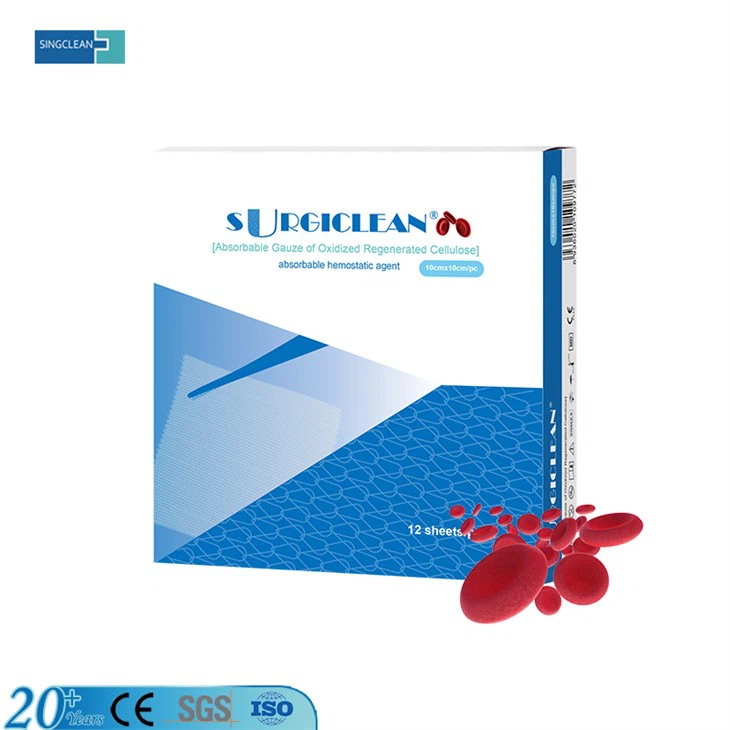
Safe gauze hemostats, such as Blood Stop Gauze, Absorbable Hemostatic Gauze, and Hemostatic Gauze Pad, are designed to promote blood clotting and stop bleeding. These products typically work through one of two main mechanisms: physical or chemical.
Physically - acting hemostatic gauzes rely on their structure to promote clotting. They may have a porous texture that traps blood cells and platelets, facilitating the formation of a clot. Chemically - acting hemostatic gauzes, on the other hand, contain substances that interact with the blood's clotting cascade. For example, some gauzes are impregnated with agents like thrombin or calcium salts, which can accelerate the clotting process.
General Usability and Training Requirements
In general, the basic use of safe gauze hemostats does not require highly specialized training. The fundamental principle is straightforward: apply the gauze directly to the bleeding wound and apply pressure. This is a technique that is commonly taught in basic first - aid courses.
For minor wounds, such as cuts or abrasions, anyone with basic first - aid knowledge can use a hemostatic gauze effectively. The process involves cleaning the wound if possible, placing the gauze over the bleeding area, and then applying firm, continuous pressure for a few minutes until the bleeding stops. This simplicity makes hemostatic gauzes a valuable addition to first - aid kits in homes, schools, and workplaces.
However, the situation becomes more complex when dealing with more severe or specialized cases.
Specialized Situations and Training
Surgical Settings
In surgical procedures, the use of hemostatic gauzes requires a higher level of training. Surgeons and surgical teams need to understand not only how to apply the gauze but also when and where to use it. Different types of surgeries may present unique challenges in terms of bleeding control. For example, in a neurosurgical procedure, the use of hemostatic gauze must be carefully coordinated to avoid any interference with delicate neural tissues.
Surgeons are trained to assess the source and severity of bleeding during a procedure. They need to determine whether a physical or chemical hemostatic gauze is more appropriate based on the nature of the bleeding. In addition, they must be aware of the potential side effects and complications associated with the use of these products, such as allergic reactions or the formation of excessive scar tissue.
Trauma and Emergency Medicine
In trauma and emergency medicine, paramedics and emergency room staff also need specialized training to use hemostatic gauzes effectively. Severe bleeding in trauma cases can be life - threatening, and the wrong application of hemostatic gauze can lead to ineffective bleeding control or even worsen the situation.
Paramedics are trained to quickly assess the type and location of the wound. They need to know how to access hard - to - reach bleeding sites and how to apply the gauze in a way that maximizes its hemostatic effect. In addition, they must be familiar with the proper packaging and storage of hemostatic gauzes to ensure their effectiveness in the field.
Emergency room physicians also play a crucial role. They may need to make decisions about whether to continue using hemostatic gauzes or to switch to other bleeding control methods, such as surgical intervention. This requires a comprehensive understanding of the patient's overall condition and the limitations of hemostatic gauze products.
Training Programs and Resources
To address the need for specialized training, many organizations offer courses and resources on the use of hemostatic gauzes. These training programs are often tailored to different professional groups, such as surgeons, paramedics, and first - responders.
Medical device manufacturers, including our company, also play an important role in providing training and support. We offer product - specific training materials, including instructional videos and user manuals. These resources can help medical professionals and end - users understand the proper use, storage, and disposal of our hemostatic gauzes.
In addition, professional medical associations and regulatory bodies may develop guidelines and standards for the use of hemostatic gauzes. These guidelines can serve as a reference for training programs and help ensure that the use of these products is safe and effective.
Importance of Training
Proper training in the use of safe gauze hemostats is essential for several reasons.
Firstly, it ensures the safety and well - being of patients. Incorrect use of hemostatic gauzes can lead to ineffective bleeding control, which can have serious consequences, especially in severe cases. By providing appropriate training, we can minimize the risk of complications and improve patient outcomes.
Secondly, training helps medical professionals make the most of these products. Different types of hemostatic gauzes have different properties and applications. With proper training, medical staff can select the most suitable product for a given situation, maximizing its hemostatic effect.
Finally, training also helps in the proper management of hemostatic gauzes. This includes proper storage, handling, and disposal, which are important for maintaining the quality and safety of the products.
Conclusion
In conclusion, while the basic use of safe gauze hemostats can be performed by individuals with basic first - aid knowledge, more specialized situations in surgical, trauma, and emergency medicine settings require specific training. As a supplier of safe gauze hemostats, we are committed to providing high - quality products and comprehensive training resources to our customers.
If you are a medical professional, first - responder, or an organization interested in purchasing our hemostatic gauzes, we encourage you to reach out to us for more information. We can provide detailed product information, training materials, and support to help you make the most of our products in your practice. Whether you are looking for Blood Stop Gauze, Absorbable Hemostatic Gauze, or Hemostatic Gauze Pad, we are here to assist you.

References
- American College of Surgeons. Advanced Trauma Life Support (ATLS) Course Manual.
- National Institute of Health. Guidelines for Hemostasis in Surgical Procedures.
- British Journal of Surgery. Research on the Efficacy and Safety of Hemostatic Gauzes in Different Clinical Settings.