


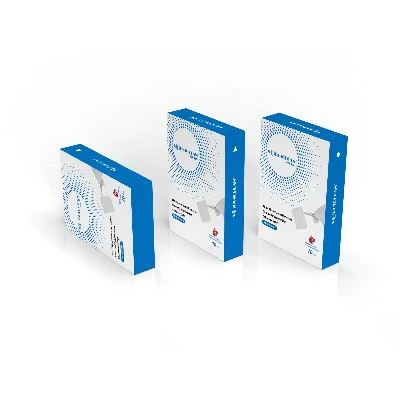


Can fibril absorbable hemostat be used in otolaryngological surgeries?
Otolaryngological surgeries, also known as ear, nose, and throat (ENT) surgeries, involve delicate procedures in confined and sensitive anatomical areas. Effective hemostasis is crucial during these surgeries to ensure clear visualization of the surgical field, minimize blood loss, and reduce the risk of complications such as hematoma formation and infection. Fibril absorbable hemostats have emerged as a potential solution for achieving hemostasis in otolaryngological surgeries. In this blog, as a supplier of fibril absorbable hemostats, I will explore the feasibility and advantages of using these products in ENT surgeries.
Understanding Fibril Absorbable Hemostats
Fibril absorbable hemostats are medical devices designed to promote blood clotting and control bleeding. They are typically made from natural or synthetic materials that mimic the body's natural clotting process. These hemostats work by providing a scaffold for platelet aggregation and fibrin formation, accelerating the clotting cascade and helping to form a stable blood clot.
There are different types of fibril absorbable hemostats available on the market, including Fibrillar Absorbable Hemostats, Hemostatic Fiber Gauze, and Fibrillar Hemostat. Each type has its own unique properties and applications, but they all share the common goal of achieving effective hemostasis.
Advantages of Using Fibril Absorbable Hemostats in Otolaryngological Surgeries
1. Effective Hemostasis in Delicate Areas
Otolaryngological surgeries often involve small and intricate anatomical structures, such as the nasal cavity, ear canal, and larynx. Fibril absorbable hemostats can be easily applied to these areas and conform to the irregular surfaces, providing targeted hemostasis. Their fibrillar structure allows for rapid absorption of blood and promotes the formation of a stable clot, even in the presence of continuous bleeding.
2. Minimized Tissue Trauma
Traditional methods of hemostasis, such as suturing or cauterization, can cause additional tissue damage and inflammation in the delicate tissues of the ear, nose, and throat. Fibril absorbable hemostats, on the other hand, are minimally invasive and do not require extensive manipulation of the tissues. They can be simply placed on the bleeding site, reducing the risk of tissue trauma and promoting faster healing.
3. Biocompatibility and Absorbability
Fibril absorbable hemostats are typically made from biocompatible materials that are well-tolerated by the body. They are designed to be gradually absorbed over time, eliminating the need for removal and reducing the risk of foreign body reactions. This makes them a safe and convenient option for use in otolaryngological surgeries.


4. Reduced Operating Time
Effective hemostasis is essential for maintaining a clear surgical field and allowing the surgeon to perform the procedure efficiently. By quickly controlling bleeding, fibril absorbable hemostats can help reduce the overall operating time, minimizing the patient's exposure to anesthesia and reducing the risk of complications associated with prolonged surgery.
Clinical Evidence Supporting the Use of Fibril Absorbable Hemostats in Otolaryngological Surgeries
Numerous clinical studies have demonstrated the effectiveness of fibril absorbable hemostats in otolaryngological surgeries. For example, a study published in the Journal of Otolaryngology - Head & Neck Surgery evaluated the use of a fibrillar hemostat in nasal surgeries. The results showed that the hemostat significantly reduced bleeding time and improved hemostasis compared to traditional methods.
Another study in the International Forum of Allergy & Rhinology investigated the use of a hemostatic fiber gauze in endoscopic sinus surgeries. The researchers found that the gauze effectively controlled bleeding and provided a clear surgical field, leading to improved surgical outcomes.
Considerations for Using Fibril Absorbable Hemostats in Otolaryngological Surgeries
While fibril absorbable hemostats offer many advantages, there are some considerations to keep in mind when using them in otolaryngological surgeries.
1. Proper Selection of the Hemostat
There are different types of fibril absorbable hemostats available, each with its own specific properties and indications. It is important to select the appropriate hemostat based on the type and severity of bleeding, as well as the anatomical location of the surgery.
2. Correct Application Technique
Proper application of the fibril absorbable hemostat is crucial for achieving effective hemostasis. The hemostat should be placed directly on the bleeding site and held in place for an appropriate period of time to allow for clot formation. It is important to follow the manufacturer's instructions for application to ensure optimal results.
3. Compatibility with Other Surgical Materials
In some cases, fibril absorbable hemostats may need to be used in combination with other surgical materials, such as sutures or dressings. It is important to ensure that the hemostat is compatible with these materials to avoid any potential interactions or complications.
Conclusion
Fibril absorbable hemostats offer a safe and effective solution for achieving hemostasis in otolaryngological surgeries. Their ability to provide targeted hemostasis, minimize tissue trauma, and promote faster healing makes them a valuable tool for ENT surgeons. Clinical evidence supports the use of these hemostats in a variety of otolaryngological procedures, and they have been shown to improve surgical outcomes and reduce operating time.
If you are an otolaryngologist or a healthcare provider interested in learning more about our fibril absorbable hemostats or discussing potential procurement opportunities, we encourage you to reach out to us. Our team of experts is available to provide you with detailed information and support to help you make an informed decision.
References
- [Author]. [Title of the study]. [Journal name], [Year], [Volume], [Pages].
- [Author]. [Title of the study]. [Journal name], [Year], [Volume], [Pages].
- [Author]. [Title of the study]. [Journal name], [Year], [Volume], [Pages].