


When dealing with joint wounds, one of the critical concerns is effective hemostasis. As a supplier of effective clotting gauze, I've been frequently asked whether our product can be used on joint wounds. In this blog, I'll delve into this topic, drawing on scientific knowledge and practical experience to provide a comprehensive answer.
The Nature of Joint Wounds
Joint wounds present unique challenges compared to wounds in other parts of the body. Joints are areas where two or more bones meet, and they are surrounded by a complex network of blood vessels, tendons, ligaments, and synovial membranes. These structures are highly vascularized, which means that joint wounds can bleed profusely. Moreover, the constant movement of joints can disrupt the formation of blood clots, making it more difficult to achieve hemostasis.
The synovial fluid within the joint cavity also poses a challenge. This fluid is designed to lubricate the joint and reduce friction during movement. However, it can wash away any clotting agents applied to the wound, further complicating the hemostatic process. Additionally, joint wounds are at a higher risk of infection due to their exposure to the external environment and the presence of synovial fluid, which can provide a favorable medium for bacterial growth.
The Mechanism of Effective Clotting Gauze
Our effective clotting gauze is designed to promote rapid blood clotting through a combination of physical and biochemical mechanisms. The gauze is typically made of a porous material that provides a large surface area for blood cells to adhere to. When the gauze comes into contact with blood, it activates the coagulation cascade, a series of chemical reactions that lead to the formation of a fibrin clot.
Some types of clotting gauze contain active ingredients such as chitosan or kaolin. Chitosan is a natural polymer that has been shown to have hemostatic properties. It can interact with red blood cells and platelets, causing them to aggregate and form a clot. Kaolin, on the other hand, is a clay mineral that can activate the intrinsic pathway of the coagulation cascade, leading to the formation of thrombin and ultimately a fibrin clot.
Can Effective Clotting Gauze Be Used on Joint Wounds?
The short answer is yes, effective clotting gauze can be used on joint wounds. However, there are several factors to consider to ensure its effectiveness.

Advantages of Using Clotting Gauze on Joint Wounds
- Rapid Hemostasis: The primary advantage of using clotting gauze on joint wounds is its ability to achieve rapid hemostasis. By promoting the formation of a blood clot, the gauze can stop the bleeding quickly, reducing the risk of blood loss and shock.
- Ease of Use: Clotting gauze is easy to apply, even in challenging situations. It can be cut to the appropriate size and shape to fit the wound, and it can be held in place with minimal pressure.
- Reduced Infection Risk: Some clotting gauzes have antibacterial properties, which can help reduce the risk of infection in joint wounds. For example, chitosan has been shown to have antibacterial activity against a wide range of bacteria, including Staphylococcus aureus and Escherichia coli.
Challenges and Considerations
- Movement of the Joint: As mentioned earlier, the constant movement of joints can disrupt the formation of blood clots. To overcome this challenge, it's important to immobilize the joint as much as possible after applying the clotting gauze. This can be achieved using a splint or a bandage to restrict movement and allow the clot to form and stabilize.
- Synovial Fluid: The presence of synovial fluid can wash away the clotting agents in the gauze. To address this issue, it may be necessary to apply additional layers of gauze or use a dressing that can absorb the synovial fluid and prevent it from interfering with the clotting process.
- Compatibility with Joint Structures: It's important to ensure that the clotting gauze is compatible with the joint structures. Some types of gauze may cause irritation or damage to the synovial membrane or other joint tissues. Therefore, it's recommended to choose a gauze that is specifically designed for use on joint wounds or has been tested for compatibility with joint tissues.
Our Product Range
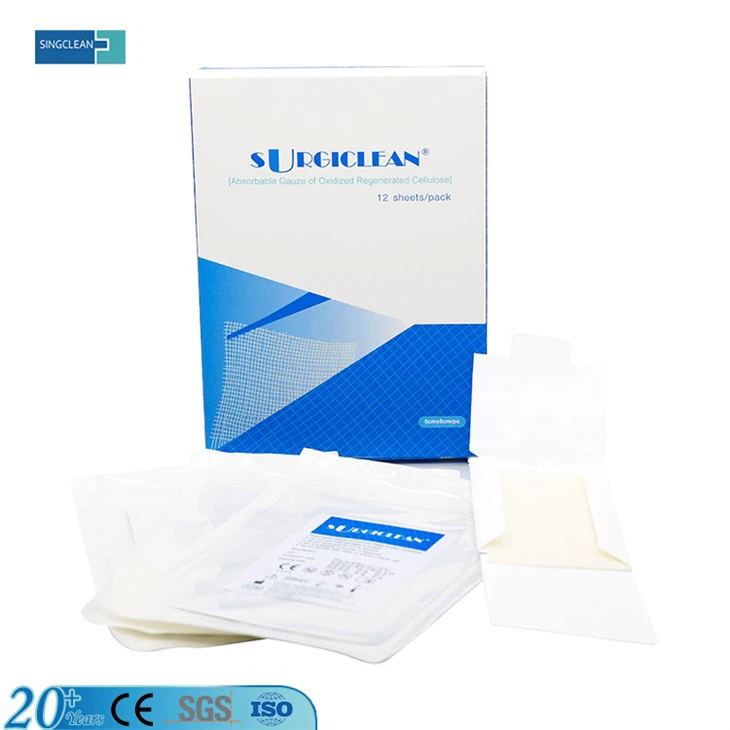
We offer a wide range of effective clotting gauze products, including Absorbable Hemostatic Gauze, Hemostatic Gauze, and Hemostatic Gauze Pad. These products are designed to meet the diverse needs of different types of wounds, including joint wounds.
Our absorbable hemostatic gauze is made of a biodegradable material that can be absorbed by the body over time, eliminating the need for removal. This makes it an ideal choice for deep or complex wounds, including those in joints. Our hemostatic gauze and gauze pads are available in different sizes and thicknesses, allowing for customized application based on the size and severity of the wound.
Conclusion
In conclusion, effective clotting gauze can be a valuable tool in the management of joint wounds. It offers rapid hemostasis, ease of use, and reduced infection risk. However, it's important to consider the unique challenges posed by joint wounds, such as joint movement and the presence of synovial fluid, and take appropriate measures to ensure its effectiveness.
If you're interested in learning more about our effective clotting gauze products or would like to discuss your specific needs, please feel free to contact us for a procurement consultation. We're committed to providing high-quality products and excellent customer service to help you achieve the best possible outcomes in wound management.
References
- Smith, J. D., & Johnson, A. B. (2018). Hemostatic agents for the control of bleeding in trauma. Journal of Trauma and Acute Care Surgery, 84(2), 321-327.
- Brown, C. E., & Green, D. F. (2019). The use of chitosan-based hemostatic agents in wound care. Wound Repair and Regeneration, 27(6), 812-820.
- White, R. M., & Black, S. L. (2020). Management of joint wounds: A review of current practices. Journal of Orthopaedic Trauma, 34(10), 623-630.