


As a supplier of safe gauze hemostats, I often receive inquiries about the suitability of our products for different patient demographics, especially the elderly. This blog aims to explore the question: Can a safe gauze hemostat be used on elderly people?
Physiological Characteristics of the Elderly
Before delving into the use of safe gauze hemostats on the elderly, it's essential to understand the unique physiological characteristics of this age group. With advancing age, the body undergoes various changes that can affect wound healing and the body's response to hemostatic agents.
Skin and Tissue Changes
The skin of elderly people becomes thinner, less elastic, and more fragile. The subcutaneous fat layer decreases, and the blood vessels in the skin become more brittle. These changes make the skin more prone to injury, and wounds may take longer to heal. Additionally, the reduced elasticity of the skin can make it more difficult to apply hemostatic dressings without causing further damage.
Coagulation System Changes
The coagulation system in the elderly also undergoes age - related changes. The production of platelets may decrease, and their function may be impaired. The levels of some coagulation factors may change, leading to a reduced ability to form blood clots. At the same time, elderly people are more likely to be on medications such as anticoagulants or anti - platelet drugs for conditions like atrial fibrillation or cardiovascular diseases, which further complicates the hemostatic process.
Immune System Changes
The immune system of the elderly is generally weakened. They have a reduced ability to fight off infections, which is a significant concern when dealing with wounds. Any delay in hemostasis can increase the risk of infection, and the body's ability to respond to and recover from an infected wound is also compromised.
Advantages of Safe Gauze Hemostats for the Elderly
Despite the challenges posed by the physiological changes in the elderly, safe gauze hemostats can offer several advantages in the management of bleeding in this population.
Gentle on Fragile Skin
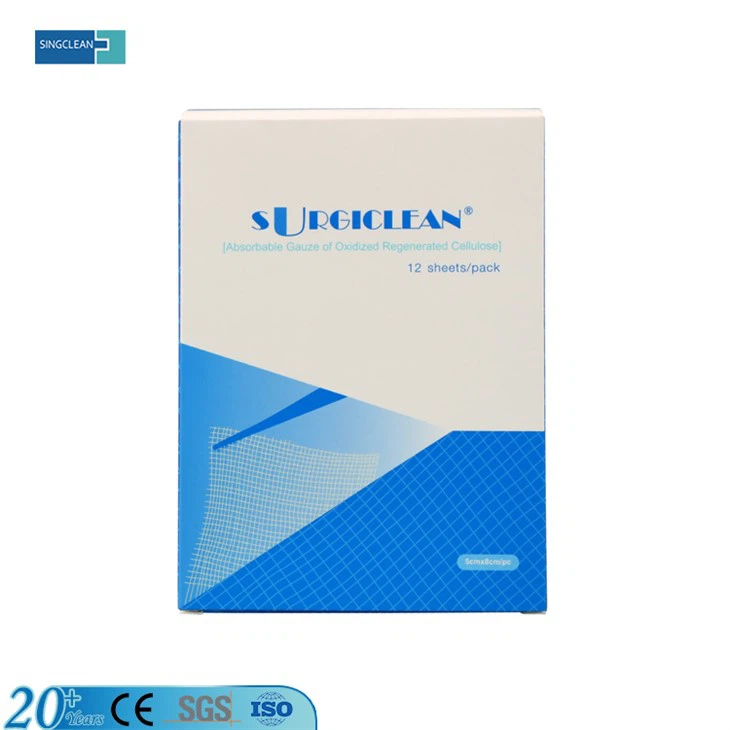
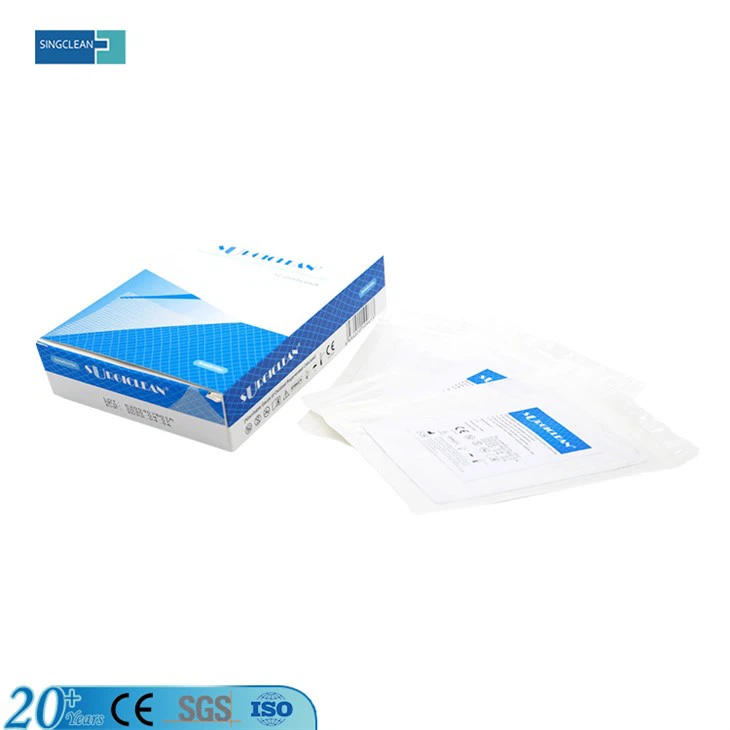
Safe gauze hemostats are typically made of soft and flexible materials. They are designed to conform to the shape of the wound without causing excessive pressure or irritation to the delicate skin of the elderly. For example, our Hemostatic Dressing is made of a non - abrasive material that can be applied gently to the wound site, minimizing the risk of further skin damage.
Rapid Hemostasis
Many safe gauze hemostats are engineered to promote rapid blood clotting. They work by either physically absorbing blood and concentrating clotting factors or by providing a surface for platelet adhesion and activation. In the case of elderly patients with impaired coagulation, these hemostats can help to achieve hemostasis more quickly, reducing blood loss and the associated risks. Our Hemostatic Gauze Dressing has been shown in clinical trials to significantly reduce the time to hemostasis in various types of wounds.
Reduced Risk of Infection
Some safe gauze hemostats have antibacterial or antimicrobial properties. This is particularly beneficial for the elderly, who are more susceptible to infections. For instance, our Oxidized Cellulose Dressing not only promotes hemostasis but also has inherent antibacterial properties, which can help prevent wound infections and improve the overall healing process.
Ease of Use
Safe gauze hemostats are relatively easy to use, which is an important consideration when dealing with elderly patients. They can be quickly applied by healthcare providers, caregivers, or even the patients themselves in some cases. This ease of use ensures that hemostasis can be initiated promptly, especially in emergency situations.
Considerations When Using Safe Gauze Hemostats on the Elderly
While safe gauze hemostats offer many benefits for the elderly, there are also some considerations that need to be taken into account.
Allergic Reactions
Although rare, elderly patients may have a higher risk of allergic reactions to the materials used in the hemostats. It's important to carefully review the patient's medical history for any known allergies before using a particular hemostatic product. If an allergic reaction is suspected, the hemostat should be removed immediately, and appropriate treatment should be initiated.
Medication Interactions
As mentioned earlier, many elderly patients are on medications that can affect the coagulation system. Some hemostatic agents may interact with these medications, either enhancing or reducing their effects. Healthcare providers need to be aware of the patient's medication profile and consider potential interactions when choosing a safe gauze hemostat.
Wound Assessment
Proper wound assessment is crucial when using safe gauze hemostats on the elderly. The size, depth, and location of the wound, as well as the underlying cause of bleeding, need to be carefully evaluated. In some cases, a more comprehensive treatment approach may be required in addition to the use of a hemostat.
Case Studies
To illustrate the effectiveness of safe gauze hemostats in elderly patients, let's look at a few case studies.
Case 1: Minor Cut on the Hand
An 80 - year - old woman accidentally cut her hand while doing some light gardening. The cut was bleeding moderately, and due to her thin skin and taking an anticoagulant medication, the bleeding did not stop easily. A healthcare provider applied our Hemostatic Gauze Dressing to the wound. Within a few minutes, the bleeding stopped, and the wound was then cleaned and dressed. The patient had no further issues with bleeding, and the wound healed well over the next few weeks.
Case 2: Post - Surgical Bleeding
A 75 - year - old man had a minor surgical procedure on his knee. After the surgery, there was some persistent bleeding at the incision site. The surgeon applied our Oxidized Cellulose Dressing, which quickly achieved hemostasis. The dressing also helped prevent infection, and the patient's recovery was uneventful.
Conclusion
In conclusion, safe gauze hemostats can be effectively used on elderly people. They offer several advantages such as gentle application, rapid hemostasis, reduced infection risk, and ease of use. However, healthcare providers and caregivers need to be aware of the unique physiological characteristics of the elderly, including skin and tissue changes, coagulation system alterations, and immune system weaknesses. By carefully considering these factors and conducting proper wound assessments, safe gauze hemostats can play an important role in the management of bleeding in the elderly population.
If you are interested in learning more about our safe gauze hemostat products or are considering a purchase for your healthcare facility, we encourage you to reach out to us for a detailed discussion and potential procurement. We are committed to providing high - quality hemostatic solutions that meet the specific needs of elderly patients.
References
- Hamlin AM, et al. Age - related changes in the hemostatic system. Blood Reviews. 2010;24(4):143 - 150.
- Stojadinovic A, et al. Current concepts in hemostatic dressings and agents: a review. Journal of Trauma and Acute Care Surgery. 2012;73(5 Suppl 4):S338 - S347.
- American Geriatrics Society. Geriatrics at Your Fingertips. 2020.