


As a supplier of safe gauze hemostats, I often receive inquiries from various customers about the suitability of our products for different types of wounds. One common question that has come up frequently is whether a safe gauze hemostat can be used on back wounds. In this blog post, I will delve into this topic, exploring the scientific aspects, the features of our products, and the practical considerations for using our hemostats on back wounds.
Understanding Back Wounds
Back wounds can vary significantly in terms of their nature, severity, and cause. They can range from minor abrasions, such as those caused by a scrape against a rough surface, to more serious lacerations resulting from a sharp object or a traumatic injury. Additionally, back wounds may be located in different areas of the back, some of which are more difficult to access and treat compared to others.
The back is a complex anatomical region with a rich blood supply, especially in areas close to major blood vessels and muscles. This means that even relatively small wounds can potentially bleed profusely. Moreover, the movement of the back during normal activities, such as sitting, standing, and bending, can further complicate the hemostasis process. Therefore, it is crucial to choose an appropriate hemostatic agent that can effectively control bleeding while being safe and comfortable for the patient.
The Science Behind Safe Gauze Hemostats
Our safe gauze hemostats are designed based on advanced scientific principles to provide rapid and reliable hemostasis. These products typically contain active ingredients that interact with the blood to promote clot formation. For example, some of our Blood Stop Gauze is impregnated with substances that activate the coagulation cascade, a series of biochemical reactions in the body that lead to the formation of a blood clot.
When the gauze comes into contact with the bleeding wound, the active ingredients are released and start to work immediately. They attract platelets, which are small cell fragments in the blood that play a key role in clotting. The platelets adhere to the wound site and aggregate together, forming a plug that helps to stop the bleeding. At the same time, the gauze provides a physical barrier that prevents further blood loss and protects the wound from external contaminants.
Suitability of Safe Gauze Hemostats for Back Wounds
In general, safe gauze hemostats are highly suitable for use on back wounds. Here are some reasons why:
- Ease of Application: Our Hemostatic Gauze Dressing is designed to be easy to handle and apply. It can be cut to the appropriate size and shape to fit the wound, regardless of its location on the back. This makes it convenient for both medical professionals and caregivers to use, even in challenging situations.
- Effective Hemostasis: The active ingredients in our gauze hemostats ensure rapid and effective hemostasis. They can quickly control bleeding from back wounds, reducing the risk of excessive blood loss and complications. This is particularly important for patients with underlying health conditions or those who are at a higher risk of bleeding.
- Safety and Biocompatibility: Our products are made from high-quality, biocompatible materials that are safe for use on the skin. They do not cause irritation or allergic reactions, even when in contact with sensitive areas of the back. This ensures that the patient's comfort and well-being are not compromised during the treatment process.
- Absorbability: Some of our Oxidized Cellulose Dressing is absorbable, which means that it does not need to be removed from the wound after hemostasis is achieved. This reduces the risk of secondary bleeding and trauma to the wound during dressing changes. The absorbed dressing is gradually broken down and eliminated by the body, promoting faster wound healing.
Practical Considerations for Using Safe Gauze Hemostats on Back Wounds
While safe gauze hemostats are suitable for back wounds, there are some practical considerations that need to be taken into account:
- Wound Cleaning: Before applying the hemostat, it is important to clean the wound thoroughly to remove any debris or contaminants. This can be done using a mild antiseptic solution or saline. Cleaning the wound helps to prevent infection and ensures better adhesion of the gauze to the wound surface.
- Proper Application: The gauze should be applied directly to the bleeding site with firm pressure. It is important to ensure that the entire wound is covered by the gauze to achieve optimal hemostasis. If necessary, additional layers of gauze can be applied to provide more pressure and coverage.
- Monitoring: After applying the hemostat, the wound should be monitored closely for any signs of continued bleeding or infection. If bleeding persists or if there are signs of redness, swelling, or discharge from the wound, medical attention should be sought immediately.
- Dressing Changes: Depending on the type and severity of the wound, dressing changes may be required at regular intervals. Our absorbable hemostats may not need to be changed as frequently as non-absorbable ones, but it is still important to follow the healthcare provider's instructions regarding dressing changes.
Conclusion
In conclusion, safe gauze hemostats are a reliable and effective option for controlling bleeding from back wounds. Their ease of application, rapid hemostasis, safety, and biocompatibility make them suitable for use in a variety of settings. However, it is important to follow proper wound care procedures and seek medical advice when necessary.
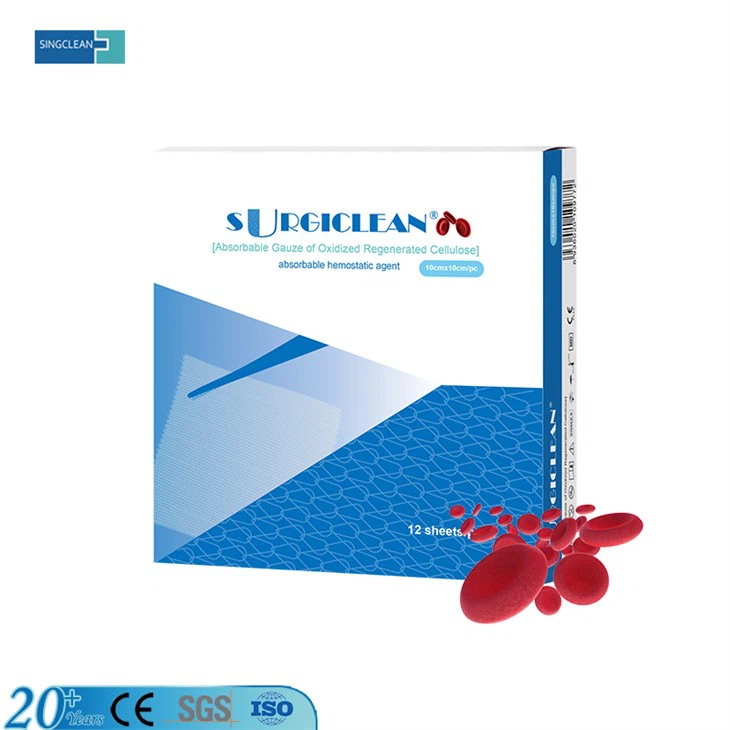

If you are interested in purchasing our safe gauze hemostats for your medical facility or personal use, please feel free to contact us for more information and to discuss your specific needs. We are committed to providing high-quality products and excellent customer service to help you achieve the best possible outcomes for your patients.
References
- Guyton, A. C., & Hall, J. E. (2016). Textbook of medical physiology. Elsevier.
- American College of Surgeons Committee on Trauma. (2018). Advanced trauma life support for doctors: Student course manual. American College of Surgeons.