


Is wound packing gauze sterile? This is a question that often comes up in the medical and healthcare industry. As a wound packing gauze supplier, I'm here to provide a detailed and scientific answer to this crucial query.
Understanding Sterility in Wound Packing Gauze
Sterility is a fundamental concept in medical products, especially those used for wound care. Sterile wound packing gauze is free from all living microorganisms, including bacteria, viruses, and fungi. This is essential because any contamination can lead to wound infections, which can delay the healing process, cause pain, and in severe cases, even lead to life - threatening conditions.
The manufacturing process of wound packing gauze plays a significant role in ensuring its sterility. Most high - quality wound packing gauzes are produced in cleanrooms, which are specially designed environments with controlled levels of airborne particles and microorganisms. During the manufacturing, the raw materials, usually cotton or other suitable fibers, are carefully selected and processed. After the gauze is formed, it undergoes a sterilization process.
There are several common sterilization methods used for wound packing gauze. One of the most widely used methods is ethylene oxide (EO) sterilization. EO is a gas that can penetrate the packaging and the gauze itself, effectively killing all microorganisms. Another method is gamma irradiation, which uses high - energy gamma rays to destroy the DNA of microorganisms, rendering them unable to reproduce.
Our Commitment to Sterility as a Supplier
As a wound packing gauze supplier, we understand the importance of sterility and take every possible measure to ensure that our products meet the highest standards. We have a state - of - the - art manufacturing facility with strict quality control procedures. Our cleanrooms are regularly monitored and maintained to ensure that the production environment is free from contaminants.
Before the sterilization process, our wound packing gauze undergoes a series of quality checks. We test the physical properties of the gauze, such as its absorbency, strength, and flexibility. Only when the gauze meets our strict internal quality standards does it proceed to the sterilization stage.
After sterilization, we conduct further tests to confirm the sterility of the product. We use microbiological testing methods to check for the presence of any viable microorganisms. Our products are also subject to regular audits by independent third - party organizations to ensure compliance with international standards such as ISO 11135 (for EO sterilization) and ISO 11137 (for gamma irradiation sterilization).
Types of Wound Packing Gauze and Their Sterility
There are different types of wound packing gauze available in the market, each with its own characteristics and applications. Some of the common types include:
-
Plain Gauze: This is the most basic type of wound packing gauze. It is made of simple cotton fibers and is usually used for general wound packing. Our plain gauze is carefully sterilized to ensure that it is safe for use in various wound care settings.
-
Medicated Gauze: Medicated gauze contains additional substances such as antiseptics or antibiotics. These substances can help prevent infections and promote wound healing. The sterility of medicated gauze is even more critical, as any contamination can affect the effectiveness of the medication. We ensure that our medicated gauze is sterilized without compromising the integrity of the added medications.
-
Absorbable Gauze: Absorbable gauze, such as Oxidized Cellulose Dressing, is designed to be absorbed by the body over time. This type of gauze is often used in surgical wounds. The manufacturing and sterilization processes of absorbable gauze are carefully controlled to ensure that it retains its absorbable properties while remaining sterile. Another example is Oxidized Cellulose Hemostatic Agent, which not only provides hemostatic function but also needs to be sterile to prevent infections.
-
Hemostatic Gauze: Hemostatic gauze, like Hemostatic Dressing, is used to control bleeding. It contains substances that can promote blood clotting. The sterility of hemostatic gauze is essential to ensure that it can be safely applied to open wounds without introducing any harmful microorganisms.
Importance of Sterility in Different Healthcare Settings
The need for sterile wound packing gauze varies depending on the healthcare setting.

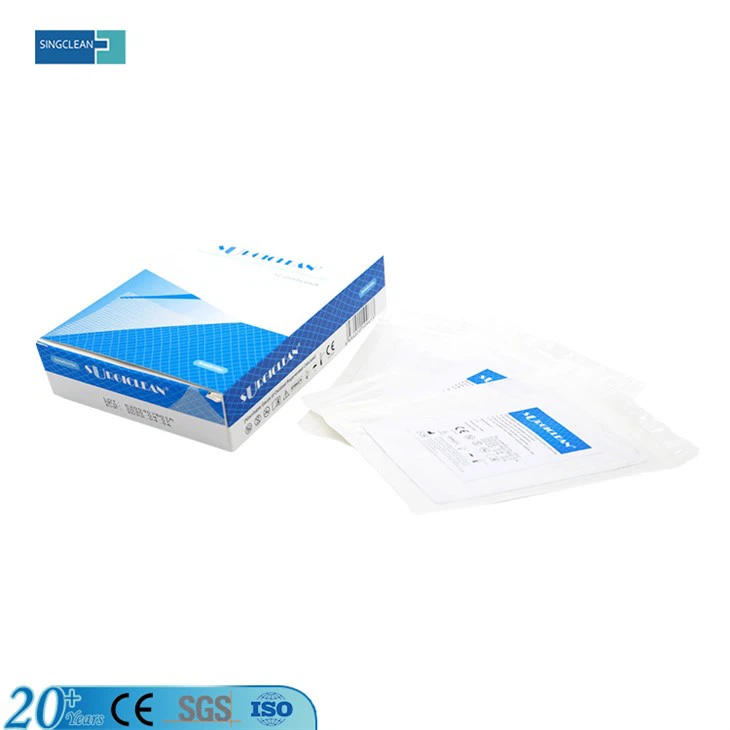
- Hospitals: In hospitals, where patients are often more vulnerable to infections due to their weakened immune systems, the use of sterile wound packing gauze is non - negotiable. Surgical wounds, in particular, require the highest level of sterility to prevent post - operative infections. Our wound packing gauze is trusted by many hospitals around the world for its consistent sterility and high quality.
- Clinics: Clinics also rely on sterile wound packing gauze for treating various types of wounds, from minor cuts and abrasions to more serious lacerations. Our products are designed to meet the needs of clinics, providing a cost - effective and reliable solution for wound care.
- Home Care: Even in home care settings, the use of sterile wound packing gauze is important. Many patients are now being treated at home, and using sterile products can help prevent complications and promote faster healing. Our user - friendly packaging and high - quality sterile gauze make it easy for patients and their caregivers to use at home.
How to Ensure the Sterility of Wound Packing Gauze During Use
While we as a supplier take every step to ensure the sterility of our wound packing gauze, it is also important for end - users to handle the product correctly to maintain its sterility.
- Proper Storage: Wound packing gauze should be stored in a cool, dry place away from direct sunlight and moisture. The packaging should remain intact until the gauze is ready to be used.
- Clean Hands: Before handling the wound packing gauze, the caregiver or patient should wash their hands thoroughly with soap and water or use an alcohol - based hand sanitizer.
- Avoid Contamination: When opening the packaging, care should be taken not to touch the gauze with dirty hands or other non - sterile objects. Only use the gauze in a clean environment.
Conclusion
In conclusion, wound packing gauze should be sterile, and as a supplier, we are dedicated to providing products that meet the highest standards of sterility. Our commitment to quality, combined with strict manufacturing and testing processes, ensures that our wound packing gauze is safe and effective for use in various healthcare settings.
If you are interested in our wound packing gauze products or have any questions about their sterility and quality, we encourage you to contact us for further information and to discuss your procurement needs. We look forward to partnering with you to provide the best wound care solutions.
References
- ISO 11135:2014, Sterilization of health care products — Ethylene oxide — Requirements for development, validation and routine control of a sterilization process for medical devices.
- ISO 11137:2015, Sterilization of health care products — Radiation — Requirements for development, validation and routine control of a sterilization process for medical devices.
- Block, S. S. (Ed.). (2001). Disinfection, sterilization, and preservation. Lippincott Williams & Wilkins.