


Cleaning a wound before applying an effective gauze dressing is a crucial step in the wound care process. As a supplier of high - quality gauze dressings, including Blood Stop Gauze, Hemostatic Gauze Dressing, and Hemostatic Gauze, I understand the importance of proper wound cleaning. This blog will guide you through the process of cleaning a wound effectively before applying our gauze dressings.
Understanding the Importance of Wound Cleaning
Wound cleaning is essential for several reasons. Firstly, it helps to remove debris, dirt, and foreign particles from the wound site. These contaminants can introduce bacteria and other pathogens, increasing the risk of infection. Secondly, cleaning the wound promotes a healthier healing environment. It can reduce inflammation and provide a clean surface for the body's natural healing processes to take place. Thirdly, proper wound cleaning can enhance the effectiveness of the gauze dressing. A clean wound allows the dressing to adhere better and perform its function, whether it is to stop bleeding, absorb exudate, or protect the wound from further damage.

Preparing for Wound Cleaning
Before starting the wound - cleaning process, it is important to gather all the necessary supplies. You will need clean gloves, a mild antiseptic solution (such as saline solution), clean gauze pads for cleaning, and a waste container. It is also advisable to have a pair of tweezers on hand in case there are any visible foreign objects in the wound.
Put on the clean gloves to prevent the transfer of bacteria from your hands to the wound. This is a simple but crucial step to maintain a sterile environment.
Assessing the Wound
Carefully examine the wound to determine its size, depth, and the presence of any foreign objects or signs of infection. If the wound is large, deep, or shows signs of severe bleeding, it is important to seek medical attention immediately. For minor wounds, you can proceed with the cleaning process.
Cleaning the Wound
- Rinsing with Saline Solution
- Pour a sufficient amount of saline solution over the wound. Saline solution is a gentle and effective way to clean the wound. It is isotonic, which means it has the same salt concentration as the body's cells, making it less likely to cause irritation.
- Use a clean gauze pad to gently wipe the wound in a circular motion, starting from the center of the wound and moving outward. This helps to prevent the spread of bacteria from the surrounding skin into the wound.
- Continue rinsing and wiping until the wound is free of visible debris. If there are any stubborn particles, you can use the tweezers to carefully remove them. Make sure the tweezers are clean and disinfected before use.
- Using an Antiseptic (if necessary)
- In some cases, a mild antiseptic may be used after rinsing with saline. However, it is important to note that some antiseptics can be harsh on the skin and may delay the healing process. If you choose to use an antiseptic, follow the instructions on the product carefully.
- For example, povidone - iodine can be used in small amounts. Apply it to a clean gauze pad and gently dab it on the wound. Avoid using it on large open wounds or for an extended period.
- Drying the Wound
- After cleaning, use a dry, clean gauze pad to gently pat the wound dry. Make sure not to rub the wound, as this can cause further damage to the delicate tissue.
Applying the Gauze Dressing
Once the wound is clean and dry, it is time to apply the appropriate gauze dressing.
- Selecting the Right Dressing
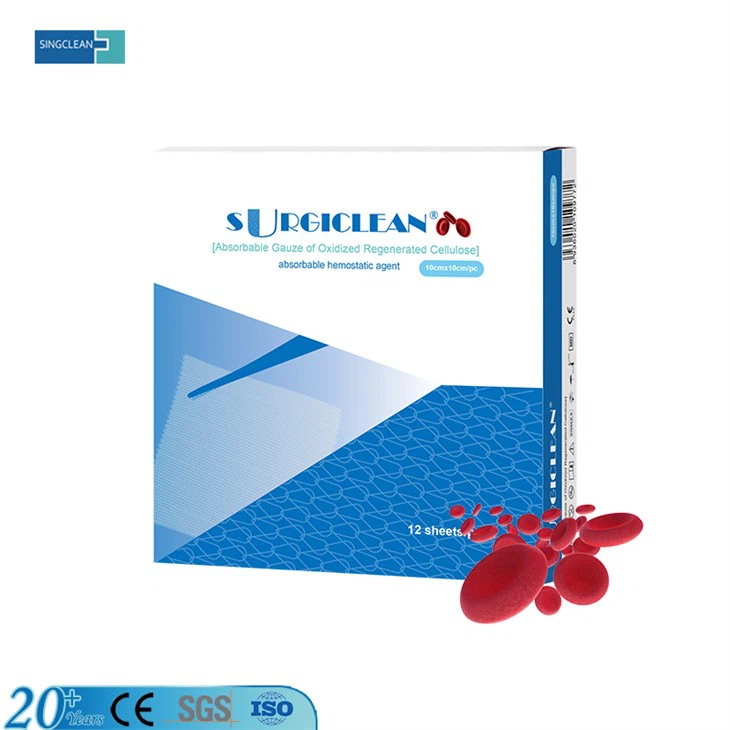
- Depending on the nature of the wound, you can choose from our range of products, such as Blood Stop Gauze, Hemostatic Gauze Dressing, or Hemostatic Gauze.
- For a bleeding wound, a hemostatic dressing is ideal as it can help to stop the bleeding quickly. For wounds with a lot of exudate, a dressing with good absorbency is required.
- Applying the Dressing
- Place the gauze dressing gently over the wound. Make sure it covers the entire wound area. If the wound is on a joint or a curved surface, you may need to cut the dressing to fit properly.
- Secure the dressing in place using medical tape or a bandage. Make sure the dressing is not too tight, as this can restrict blood flow, but also not too loose, as it may fall off.
Monitoring the Wound
After applying the gauze dressing, it is important to monitor the wound regularly. Check for any signs of infection, such as increased pain, redness, swelling, or the presence of pus. Also, observe the dressing for any signs of excessive bleeding or leakage. If you notice any of these signs, it is advisable to seek medical advice.
Conclusion
Cleaning a wound before applying an effective gauze dressing is a multi - step process that requires careful attention to detail. By following the steps outlined above, you can ensure that the wound is clean and ready for the dressing to perform its function.
As a supplier of high - quality gauze dressings, we are committed to providing products that meet the highest standards of quality and performance. Our Blood Stop Gauze, Hemostatic Gauze Dressing, and Hemostatic Gauze are designed to provide effective wound care solutions.
If you are interested in purchasing our gauze dressings for your medical or personal needs, we encourage you to reach out to us for a procurement discussion. We are happy to provide more information about our products, pricing, and delivery options.
References
- American Academy of Dermatology Association. (2023). Wound care basics.
- World Health Organization. (2022). Guidelines on hand hygiene in health care.
- National Institute for Health and Care Excellence. (2021). Wound management: antimicrobial dressings.