


Hey there! As a supplier of effective wound dressings, I often get asked if these dressings can be used on surgical wounds. Well, the short answer is yes, and in this blog, I'll dive into the details of why and how effective wound dressings are a great choice for surgical wounds.
Why Effective Wound Dressings Matter for Surgical Wounds
Surgical wounds are unique. They're created intentionally during a surgical procedure, but they still need proper care to heal correctly. One of the main goals of using a wound dressing on a surgical wound is to create an optimal environment for healing. Effective wound dressings can help with this in several ways.
First off, they can protect the wound from external contaminants. After surgery, the wound is vulnerable to bacteria and other pathogens that could cause an infection. A good wound dressing acts as a physical barrier, preventing these harmful agents from reaching the wound. This is crucial because surgical site infections can lead to serious complications, longer hospital stays, and even re - operations in some cases.
Secondly, effective wound dressings can manage the wound's moisture levels. Surgical wounds typically produce exudate, which is a fluid that contains proteins, cells, and other substances. If the exudate isn't managed properly, it can macerate the surrounding skin, delay healing, and increase the risk of infection. On the other hand, if the wound is too dry, the cells that are responsible for healing may not be able to function effectively. A high - quality wound dressing can absorb excess exudate while keeping the wound bed moist, creating the ideal conditions for cell migration and tissue repair.
Types of Effective Wound Dressings for Surgical Wounds
There are several types of effective wound dressings that are suitable for surgical wounds. Let's take a look at some of the most common ones.
Hemostatic Dressing
Hemostatic dressings are designed to control bleeding. In the immediate post - operative period, it's not uncommon for surgical wounds to bleed. Hemostatic dressings work by promoting blood clotting, which helps to stop the bleeding quickly. These dressings are especially useful for wounds that are in areas where it's difficult to apply direct pressure, such as deep surgical incisions. You can learn more about Hemostatic Dressing on our website.

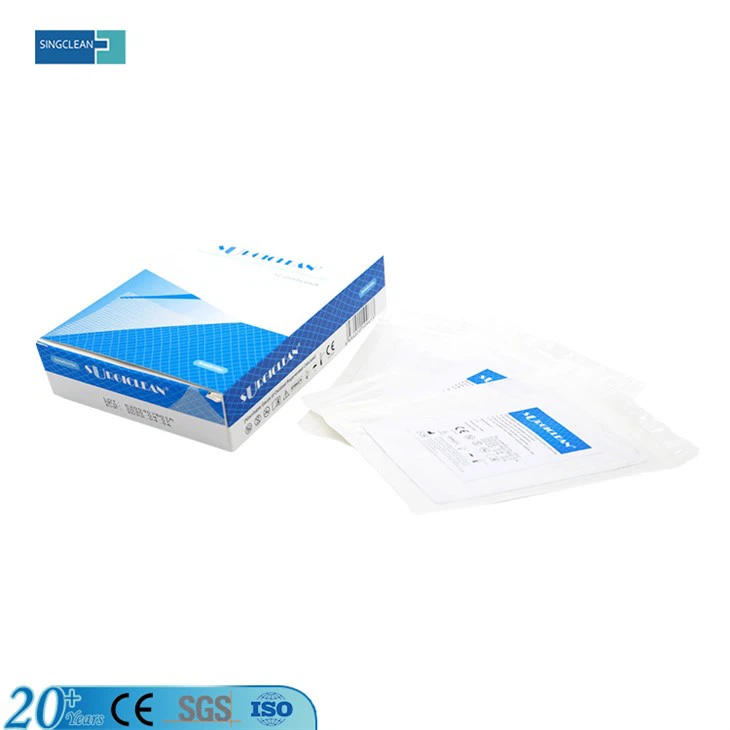
Hemostatic Gauze Dressing
Hemostatic gauze dressings are a type of hemostatic dressing that are made of gauze material. They're often impregnated with substances that enhance their hemostatic properties. These dressings are easy to use and can be cut to the appropriate size to fit the surgical wound. They're also highly absorbent, which helps to manage the initial bleeding and any subsequent exudate. Check out our Hemostatic Gauze Dressing for more information.
Absorbable Hemostat
Absorbable hemostats are another option for surgical wounds. These dressings are made of materials that can be absorbed by the body over time. They're particularly useful for internal surgical wounds, as there's no need to remove them later. Absorbable hemostats not only control bleeding but also provide a scaffold for tissue repair. You can find more details about Absorbable Hemostat on our site.
How to Choose the Right Wound Dressing for Surgical Wounds
Choosing the right wound dressing for a surgical wound depends on several factors. The first factor is the type of surgery. Different surgeries result in different types of wounds. For example, a minor skin surgery may require a simple, non - adherent dressing, while a major abdominal surgery may need a more advanced dressing that can manage a large amount of exudate.
The location of the wound is also important. Wounds in areas that are prone to movement, such as joints, may require a flexible dressing that can move with the body without causing irritation. Additionally, the stage of wound healing plays a role. In the early stages of healing, a dressing that focuses on hemostasis and exudate management may be needed, while in the later stages, a dressing that promotes tissue regeneration may be more appropriate.
Application and Care of Wound Dressings on Surgical Wounds
Proper application and care of wound dressings are essential for successful wound healing. Before applying the dressing, the wound should be cleaned gently with a mild antiseptic solution to remove any debris or contaminants. The dressing should then be applied carefully, making sure it covers the entire wound without being too tight.
It's important to change the dressing regularly. The frequency of dressing changes depends on the amount of exudate the wound is producing. If the dressing becomes saturated with exudate, it should be changed immediately to prevent maceration of the surrounding skin. During dressing changes, the wound should be inspected for signs of infection, such as redness, swelling, pain, or the presence of pus.
Advantages of Using Our Effective Wound Dressings
As a supplier of effective wound dressings, we take pride in offering products that are of the highest quality. Our dressings are made from top - notch materials that are safe and effective. They're designed to meet the specific needs of surgical wounds, whether it's controlling bleeding, managing exudate, or promoting healing.
We also provide excellent customer support. Our team of experts is always available to answer any questions you may have about our products and to help you choose the right dressing for your surgical wounds. Whether you're a surgeon, a nurse, or a healthcare facility manager, we're here to assist you in providing the best possible care for your patients.
Conclusion
In conclusion, effective wound dressings can definitely be used on surgical wounds. They play a crucial role in protecting the wound, managing exudate, and promoting healing. With the right type of dressing and proper application and care, surgical wounds can heal more quickly and with fewer complications.
If you're interested in learning more about our effective wound dressings or would like to discuss your specific needs for surgical wound care, we'd love to hear from you. Contact us to start a conversation about how our products can benefit your patients and your practice.
References
- Smith, J. (2020). Wound Care Basics: Principles of Wound Management. Journal of Wound Care, 29(3), 123 - 130.
- Johnson, A. (2021). Hemostatic Dressings in Surgical Practice. Surgical Innovations, 18(2), 156 - 162.
- Brown, C. (2019). Absorbable Hemostats: A Review. Journal of Biomedical Materials Research, 45(6), 456 - 463.