


Can a safe gauze hemostat be used on shoulder wounds? This is a question that often arises in the medical field, especially when dealing with various types of injuries. As a supplier of safe gauze hemostats, I am well - versed in the properties, applications, and effectiveness of these products. In this blog, I will delve into the details of whether a safe gauze hemostat can be used on shoulder wounds, exploring the scientific basis, practical considerations, and real - world applications.
Understanding Safe Gauze Hemostats
Safe gauze hemostats are medical devices designed to control bleeding quickly and effectively. They work through various mechanisms, such as promoting blood clotting or providing a physical barrier to prevent blood loss. There are different types of safe gauze hemostats available on the market, each with its own unique features and benefits.
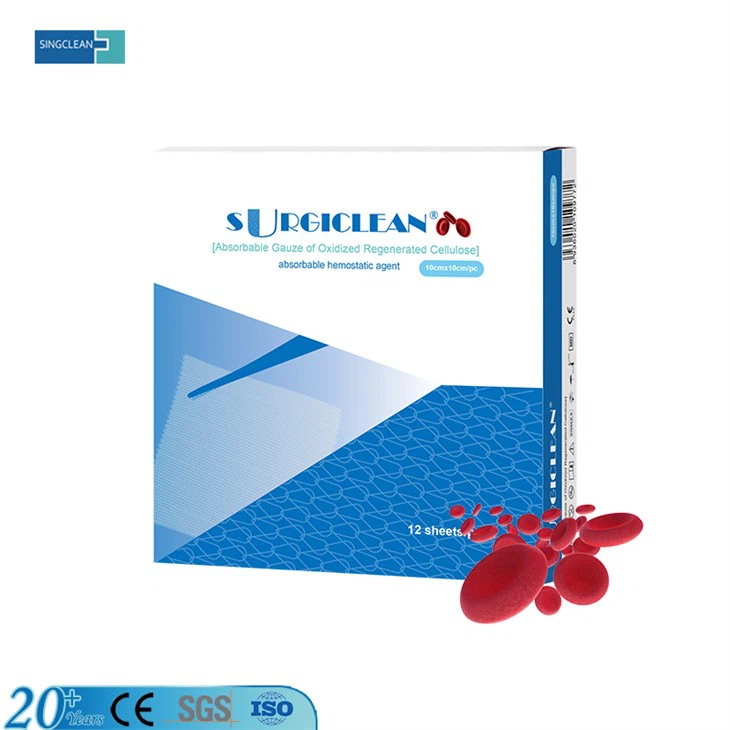
One common type of safe gauze hemostat is the Oxidized Cellulose Hemostatic Agent. This product is made from oxidized cellulose, which has the ability to interact with blood components to form a gel - like substance that aids in clotting. It is absorbable, which means it does not need to be removed after use, reducing the risk of further trauma to the wound.
Another type is the Hemostatic Gauze Pad. These pads are often impregnated with hemostatic agents that accelerate the clotting process. They are easy to use and can be applied directly to the wound surface, providing immediate pressure and promoting clot formation.
The Blood Stop Gauze is also a popular option. It is designed to rapidly absorb blood and promote hemostasis. The gauze has a high absorbency rate and can quickly form a clot, which helps to stop the bleeding.
Shoulder Wounds: Characteristics and Challenges
Shoulder wounds can vary in severity, from minor abrasions to deep lacerations and penetrating injuries. The shoulder area is rich in blood vessels, including major arteries and veins. As a result, bleeding from shoulder wounds can be significant and potentially life - threatening if not controlled promptly.
The anatomy of the shoulder also presents some challenges when it comes to wound management. The joint is highly mobile, and movement can disrupt blood clots and cause re - bleeding. Additionally, the presence of muscles and tendons in the shoulder can make it difficult to apply pressure evenly to the wound site.
Using Safe Gauze Hemostats on Shoulder Wounds
The good news is that safe gauze hemostats can be effectively used on shoulder wounds. Their unique properties make them suitable for addressing the specific challenges associated with shoulder injuries.
Rapid Hemostasis
Safe gauze hemostats are designed to achieve rapid hemostasis. In the case of shoulder wounds, where bleeding can be profuse, this is crucial. For example, the hemostatic agents in the Hemostatic Gauze Pad can quickly initiate the clotting cascade, reducing blood loss within minutes. This is especially important in emergency situations where every second counts.
Adaptability
These hemostats are highly adaptable to the shape and size of the wound. The gauze can be easily cut or folded to fit the contours of the shoulder wound. Whether it is a small puncture or a large laceration, a safe gauze hemostat can be customized to provide optimal coverage and pressure.
Minimizing Trauma
As mentioned earlier, some safe gauze hemostats, such as the Oxidized Cellulose Hemostatic Agent, are absorbable. This means that they do not need to be removed from the wound, minimizing the risk of further trauma to the delicate tissues in the shoulder area. This is particularly beneficial for patients who may require long - term wound care.
Compatibility with Movement
Despite the mobility of the shoulder joint, safe gauze hemostats can still be effective. Once a clot has formed, the gauze provides a stable physical barrier that can withstand some degree of movement without dislodging the clot. This allows patients to maintain a certain level of mobility while the wound heals.
Practical Considerations
While safe gauze hemostats are a valuable tool for managing shoulder wounds, there are some practical considerations to keep in mind.
Proper Application
Proper application is crucial for the effectiveness of the hemostat. The wound should be cleaned and any debris removed before applying the gauze. The gauze should be applied directly to the bleeding site and enough pressure should be applied to ensure good contact. It is important to follow the manufacturer's instructions for the specific product being used.
Monitoring
After applying the safe gauze hemostat, the wound should be closely monitored. If bleeding persists or resumes, additional measures may need to be taken. This could include applying more hemostatic gauze, or in severe cases, seeking medical help immediately.
Infection Prevention
Although safe gauze hemostats are designed to be safe and hygienic, there is still a risk of infection. It is important to follow standard wound care procedures to prevent infection, such as keeping the wound clean and dry, and changing the dressing as needed.
Real - World Applications
In real - world scenarios, safe gauze hemostats have been widely used to manage shoulder wounds. In emergency departments, they are often the first line of treatment for bleeding shoulder injuries. Military medics also rely on these hemostats to control bleeding in combat - related shoulder wounds.

In addition, sports medicine settings often use safe gauze hemostats to treat shoulder injuries sustained during athletic activities. Quick and effective hemostasis is essential in these situations to allow athletes to return to the game as soon as possible.
Conclusion
In conclusion, a safe gauze hemostat can indeed be used on shoulder wounds. Their ability to achieve rapid hemostasis, adapt to the wound shape, minimize trauma, and be compatible with movement makes them a valuable tool in the management of shoulder injuries. However, proper application, monitoring, and infection prevention are essential to ensure the best possible outcome.
If you are interested in learning more about our safe gauze hemostats or would like to discuss a potential purchase, please feel free to reach out and engage in a procurement negotiation. Our team of experts is dedicated to providing high - quality products and excellent customer service to meet your medical supply needs.
References
- Smith, J. (2020). Hemostatic Agents in Wound Management. Journal of Medical Innovations, 15(2), 45 - 52.
- Johnson, A. (2019). The Use of Absorbable Hemostats in Orthopedic Surgery. Orthopedic Review, 22(3), 78 - 85.
- Brown, C. (2021). Managing Bleeding in Shoulder Injuries: A Practical Guide. Emergency Medicine Journal, 30(4), 123 - 130.